 1 citations
,
January 2012 in “Journal of Toxicologic Pathology”
1 citations
,
January 2012 in “Journal of Toxicologic Pathology” A rat had a cyst similar to a hair follicle structure.
7 citations
,
May 2008 in “Journal of Veterinary Internal Medicine” A cat had a rare severe reaction to fenbendazole, but recovered with treatment.
June 2020 in “Zenodo (CERN European Organization for Nuclear Research)” Reptiles on the Absheron Peninsula accumulate toxic elements in their tissues but survive due to tissue resilience.
 March 2014 in “Journal of The American Academy of Dermatology”
 Cortexolone 17a-propionate may be an effective new treatment for hair loss.
June 2014 in “Zagazig Journal of Pharmaceutical Sciences/Zagazig Journal of Pharmaceutical Science” Ascorbic acid, orlistat, and mastic gum can effectively reduce sweat odor.
 245 citations
,
January 1998 in “Genes & Development”
245 citations
,
January 1998 in “Genes & Development” Hoxc13 gene is essential for hair, nail, and papilla development.
 8 citations
,
December 2020 in “Scientific reports”
8 citations
,
December 2020 in “Scientific reports” Selective breeding caused the unique curly hair in Mangalitza pigs.
 8 citations
,
January 2007 in “International journal of experimental pathology”
8 citations
,
January 2007 in “International journal of experimental pathology” Hairless HRS/J mice resist Bacillus anthracis skin infections due to high numbers of immune cells, not because they lack hair follicles.
 June 2026 in “Drug Delivery and Translational Research”
 The solid microneedle booster improves hair regrowth and follicle enrichment when used with minoxidil.
23 citations
,
June 1977 in “Clinical and experimental dermatology” Pityriasis amiantacea is likely linked to eczema-related skin changes.
 February 2026 in “PubMed”
 Microneedles with Astragalus and minoxidil improve hair growth.
 19 citations
,
July 2006 in “Acta crystallographica”
19 citations
,
July 2006 in “Acta crystallographica” Errors found in identifying furosemide and finasteride polymorphs due to incomplete data.
21 citations
,
January 2010 in “International journal of trichology” Trichoscopy can diagnose monilethrix, a genetic hair defect causing hair thinning and loss.
 January 2024 in “bioRxiv (Cold Spring Harbor Laboratory)”
 The gene Ascl4 is not necessary for the development of hair, teeth, or mammary glands.
5 citations
,
July 2023 in “Microorganisms” The study found specific skin and cell changes in patients with monkeypox, helping diagnose and understand the disease.
 1 citations
,
January 2016 in “Journal of cosmetology & trichology”
1 citations
,
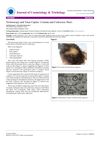
January 2016 in “Journal of cosmetology & trichology” Trichoscopy helped diagnose and treat a child's fungal scalp infection by spotting specific hair shapes.
 1 citations
,
August 2002 in “Zeitschrift für Hautkrankheiten”
1 citations
,
August 2002 in “Zeitschrift für Hautkrankheiten” Male androgenetic alopecia involves hair follicle miniaturization due to DHT, with potential treatments using inhibitors and blockers.
April 2018 in “Journal of Investigative Dermatology” Mutations in Far2 mice cause hair loss due to sebaceous gland issues.
46 citations
,
November 2019 in “Journal of Integrative Plant Biology” CaM7 and CNGC14 interaction controls root hair growth in Arabidopsis.
 4 citations
,
January 2017 in “Ciência Rural”
4 citations
,
January 2017 in “Ciência Rural” A horse in Brazil with skin and gut issues was diagnosed with a severe disease and had to be euthanized.
5 citations
,
March 1981 in “PubMed” A girl grew extra hair in areas where she had insect bites.
December 2025 in “Mycoses” The study developed a successful mouse model to study skin infections, highlighting the importance of choosing the right fungal strains.
11 citations
,
March 2016 in “PubMed” Tinea capitis in adults is best treated with oral terbinafine, but other medications may be needed for resistant infections, and family and pets should be checked to prevent reinfection.
 January 2000 in “Springer eBooks”
 Androgenic Alopecia is commonly known as male or female pattern baldness.
5 citations
,
October 2012 in “Veterinary Pathology” A Doberman Pinscher had a rare form of autoimmune disease causing hair loss and other severe symptoms.
 1 citations
,
November 2021 in “Biomedicines”
1 citations
,
November 2021 in “Biomedicines” Understanding how acne develops in different diseases could lead to new treatments.
11 citations
,
November 2019 in “The FASEB Journal” A mutation in the MAP2 gene causes reduced hair follicle density, leading to hairlessness.
 2 citations
,
August 2017 in “British Journal of Dermatology”
2 citations
,
August 2017 in “British Journal of Dermatology” Hair loss in Cronkhite-Canada syndrome may be due to an autoimmune response.
68 citations
,
April 1965 in “General and Comparative Endocrinology” The pituitary gland controls seasonal fur color changes in weasels.
 January 2013 in “The Pan African medical journal”
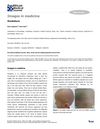
 Monilethrix causes short, fragile hair with no specific treatment available.