26 citations
,
February 1998 in “DNA and Cell Biology” K6 gene expression can be controlled and manipulated in mice for studying skin disorders.
 14 citations
,
May 2019 in “Human gene therapy”
14 citations
,
May 2019 in “Human gene therapy” MC-DNA vector-based gene therapy can temporarily treat CBS deficiency in mice.
 37 citations
,
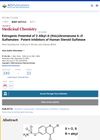
September 2003 in “Journal of Medicinal Chemistry”
37 citations
,
September 2003 in “Journal of Medicinal Chemistry” A substance called Compound 2g can strongly block STS (a hormone-related enzyme) without affecting estrogen levels, making it potentially good for treating breast cancer.
 111 citations
,
August 2002 in “Journal of Medicinal Chemistry”
111 citations
,
August 2002 in “Journal of Medicinal Chemistry” New compounds were made that block an enzyme linked to breast cancer better than existing treatments.
 1 citations
,
August 2023 in “The journal of pharmacology and experimental therapeutics/The Journal of pharmacology and experimental therapeutics”
1 citations
,
August 2023 in “The journal of pharmacology and experimental therapeutics/The Journal of pharmacology and experimental therapeutics” Kir6.1 mutations in Cantú syndrome increase channel sensitivity and hyperpolarization, while SUR2B mutations do not.
2 citations
,
January 2022 in “The Application of Clinical Genetics” A young Russian girl with Meier-Gorlin syndrome has two new mutations in the CDC6 gene.
March 2026 in “Adipocyte” Spt4 and Spt6 are essential for fat cell development.
 77 citations
,
February 2017 in “Stem Cell Reports”
77 citations
,
February 2017 in “Stem Cell Reports” SHISA6 helps maintain certain stem cells in mouse testes by blocking signals that would otherwise cause them to differentiate.
 January 2022 in “Journal of Biomedical Research & Environmental Sciences”
 Certain gene variations may increase the risk of PCOS in South Indian women.
3 citations
,
January 2022 in “Burns & Trauma” CTHRC1 helps sweat glands recover by rebuilding nearby blood vessels.
April 2021 in “The journal of investigative dermatology/Journal of investigative dermatology” CTCF protein is essential for skin and hair follicle development in mice.
 April 2017 in “Journal of Investigative Dermatology”
 The protein CTCF is essential for skin development, maintaining hair follicles, and preventing inflammation.
November 2022 in “Journal of Investigative Dermatology” NCSTN gene mutation causes abnormal skin cell differentiation and more inflammation, contributing to Hidradenitis Suppurativa.
2 citations
,
August 2022 in “World Journal of Clinical Cases” Albumin and prednisone improved symptoms in a woman with Cronkhite-Canada syndrome, revealing potential genetic causes.
3 citations
,
June 2021 in “Frontiers in genetics” The protein STAT3 slows down cell growth by blocking the FST gene, which affects hair development in sheep.
46 citations
,
May 1995 in “Proceedings of the National Academy of Sciences” A specific gene region can control targeted and responsive gene expression in mice, useful for skin disorder treatments.
 April 2026 in “Cellular and Molecular Immunology”
 SPT6 prevents excessive skin inflammation by blocking a feedback loop.
14 citations
,
February 2008 in “Stem Cells and Development” Seven genes are highly expressed in both germ-line and hematopoietic stem cells.
January 2025 in “Case Reports in Genetics” A rare gene variant causes sexual development issues in siblings, needing personalized treatment.
 April 2018 in “Journal of Investigative Dermatology”
 CREB, a protein that can promote cancer traits, is controlled by β-catenin in skin cancer cells.
50 citations
,
September 2023 in “Biomarker Research” S100A6 is important for cell functions and can help diagnose and treat diseases.
ETS2 is crucial in squamous cell carcinoma development and could be a therapeutic target.
33 citations
,
September 1990 in “Proceedings of the National Academy of Sciences” The study showed that a specific DNA sequence can control gene expression in hair growth areas of mice.
108 citations
,
April 2004 in “Medicinal Research Reviews” Steroid sulfatase inhibitors could help treat hormone-related disorders and cancers.
April 2017 in “The journal of investigative dermatology/Journal of investigative dermatology” A girl with excessive hair growth had a genetic change on chromosome 17 that reduced the activity of two genes linked to hair growth.
 28 citations
,
November 2019 in “Gene”
28 citations
,
November 2019 in “Gene” The ITGB6 gene is important for tissue repair and hair growth, and mutations can lead to enamel defects and other health issues.
 March 2026 in “Journal of Personalized Medicine”
 Genetic differences affect breast cancer treatment success with tamoxifen in South African patients.
14 citations
,
February 1991 in “FEBS Letters” Introducing the rat OTC gene partially corrected OTC deficiency in mice.
41 citations
,
March 2016 in “The Journal of Clinical Endocrinology & Metabolism” In STSD patients, the body compensates for low androgen levels by increasing another enzyme's activity.
6 citations
,
June 2012 in “PloS one” A new mRNA variant of the SCF gene in sheep skin produces a shorter, different protein.