January 2024 in “Dermatologic Therapy” Tofacitinib effectively reduces hair loss in children with alopecia areata but may cause mild side effects and relapses.
 1 citations
,
July 2022 in “The journal of investigative dermatology/Journal of investigative dermatology”
1 citations
,
July 2022 in “The journal of investigative dermatology/Journal of investigative dermatology” Tofacitinib helps improve skin conditions in people with Down syndrome, especially alopecia areata.
21 citations
,
February 1988 in “Toxicology” High doses of TCB cause severe health issues in marmoset monkeys.
33 citations
,
May 2017 in “Journal of Clinical Oncology” ETC-159 was safe up to 30 mg, but no tumor shrinkage was seen.
 January 2015 in “Journal of evolution of medical and dental sciences”
 Topical tacrolimus is effective and safe for treating alopecia areata.
 February 2024 in “PloS one”
 Tofacitinib and adalimumab are promising treatments for cicatricial alopecia with few side effects.
1 citations
,
January 2024 in “Arab Board Medical Journal” Tofacitinib effectively regrows hair in alopecia areata patients, especially in younger individuals, with manageable side effects.
 56 citations
,
March 2010 in “Journal of Dermatology”
56 citations
,
March 2010 in “Journal of Dermatology” Most cases of Temporal Triangular Alopecia are found in early childhood and may be related to genetic conditions.
December 2022 in “Zenodo (CERN European Organization for Nuclear Research)” Tofacitinib effectively treated severe alopecia areata in a 14-year-old girl.
 September 2023 in “Acta dermato-venereologica”
 Tofacitinib is a safe and effective treatment for hair loss in children with Alopecia Areata.
 April 2018 in “Journal of Investigative Dermatology”
 CENPV, a new partner of CYLD, helps regulate ciliary acetylated tubulin and is overexpressed in certain skin tumors.
147 citations
,
August 2005 in “The Plant Cell” The TIP1 gene is crucial for normal plant cell growth in Arabidopsis.
 40 citations
,
March 2019 in “Nature Communications”
40 citations
,
March 2019 in “Nature Communications” CRAC channels are crucial for the development and function of specialized immune cells, preventing severe inflammation and autoimmune diseases.
 April 2018 in “Journal of Investigative Dermatology”
 CREB, a protein that can promote cancer traits, is controlled by β-catenin in skin cancer cells.
 1 citations
,
January 2024 in “Wiadomości Lekarskie”
1 citations
,
January 2024 in “Wiadomości Lekarskie” Detecting early breast arterial calcifications can help assess cardiovascular disease risk.
 51 citations
,
January 2024 in “Nanoscale”
51 citations
,
January 2024 in “Nanoscale” Nano-PROTACs could improve drug targeting and delivery by using nanotechnology.
 January 2025 in “Journal of Crohn s and Colitis”
 Tofacitinib is effective and safe for elderly patients with ulcerative colitis.
 April 2012 in “Informa Healthcare eBooks”
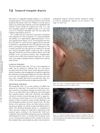
 Temporal triangular alopecia is a lifelong condition with hairless patches on the side of the head that may be present from birth.
 41 citations
,
December 2015 in “JAMA Dermatology”
41 citations
,
December 2015 in “JAMA Dermatology” Tofacitinib citrate improved nail dystrophy and pain in patients with alopecia universalis without causing side effects.
 11 citations
,
August 2017 in “Journal of Chromatographic Science”
11 citations
,
August 2017 in “Journal of Chromatographic Science” The new method is rapid, sensitive, and accurate for evaluating the quality of the medicinal herb Platycladi cacumen.
 5 citations
,
January 2018
5 citations
,
January 2018 The conclusion is that a new test was created to find substances that affect specific ion channels, and it works well for drug discovery.
 January 2025 in “Biomedical Reports”
 Telitacicept helped stabilize complement levels in a patient with lupus and thyroid cancer.
 January 2025 in “Cell Communication and Signaling”
 CXXC5 can both suppress and promote cancer, making it a complex target for treatment.
 November 2020 in “Dubai medical journal”
 Tofacitinib may effectively regrow hair in alopecia totalis patients.
Trichoscopic examination is crucial for diagnosing congenital triangular alopecia.
71 citations
,
November 2005 in “The journal of investigative dermatology. Symposium proceedings/The Journal of investigative dermatology symposium proceedings” Edar signaling is crucial for proper hair follicle development and function.
12 citations
,
July 2016 in “Journal of dermatology” Intramuscular triamcinolone acetonide is an effective treatment for severe alopecia areata, especially in males.
11 citations
,
March 2002 in “Pediatric Dermatology” Temporal triangular alopecia is a non-scarring hair loss seen in some Asian children.
1 citations
,
November 2016 in “Journal of dermatological treatment” Oral tacrolimus may be a potential treatment for hair loss that doesn't respond to corticosteroids.
 July 2025 in “Pakistan Journal of Intensive Care Medicine”
 Clobetasol propionate 0.05% ointment is more effective than tacrolimus 0.1% ointment for treating alopecia areata.