 18 citations
,
November 2016 in “Neuromuscular Disorders”
18 citations
,
November 2016 in “Neuromuscular Disorders” Patients with myotonic dystrophy often have skin problems that suggest early aging and vitamin D issues, and the severity of these problems is linked to their genetic condition and vitamin D levels.

There is no cure for myotonic dystrophy type 1, so treatment focuses on managing symptoms and complications.
 8 citations
,
March 2015 in “Neuromuscular Disorders”
8 citations
,
March 2015 in “Neuromuscular Disorders” People with Myotonic Dystrophy type 1 are more likely to have certain skin conditions, but not more likely to get skin cancer.
 June 2021 in “bioRxiv (Cold Spring Harbor Laboratory)”
 Gene therapy in mice increased lifespan and improved health without causing cancer.
 23 citations
,
June 2015 in “Journal of Tissue Engineering and Regenerative Medicine”
23 citations
,
June 2015 in “Journal of Tissue Engineering and Regenerative Medicine” Wnt1a helps keep cells that can grow hair effective for potential hair loss treatments.
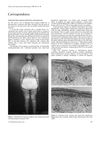 5 citations
,
January 1998 in “Clinical and experimental dermatology”
5 citations
,
January 1998 in “Clinical and experimental dermatology” Myotonic dystrophy should be considered in patients with hair thinning, and genetic counseling is important.
 November 2023 in “bioRxiv (Cold Spring Harbor Laboratory)”
 Scientists made a mouse that shows how a specific protein in the skin changes and affects hair growth and shape.
 22 citations
,
July 2019 in “PLOS ONE”
22 citations
,
July 2019 in “PLOS ONE” Skin lymphatic vessels are essential for hair growth.
3 citations
,
August 2018 in “Stem cells international” Hair follicle cells help maintain and support stem cells and blood cell formation.
 4 citations
,
February 2022 in “International Journal of Molecular Sciences”
4 citations
,
February 2022 in “International Journal of Molecular Sciences” Myotonic Dystrophy may age cells faster, and drugs that target aging could be potential treatments.
54 citations
,
January 2009 in “Development” β-catenin, Shh, and Bmp signaling control hair follicle development.
24 citations
,
July 2015 in “Molecular Medicine Reports” Lysophosphatidic acid boosts stem cell growth and movement by creating reactive oxygen species.
 19 citations
,
September 2010 in “The American journal of pathology”
19 citations
,
September 2010 in “The American journal of pathology” High glucocorticoids cause pancreatic malfunction and malabsorption, reversible with enzyme supplements.
 24 citations
,
May 2019 in “PLOS genetics”
24 citations
,
May 2019 in “PLOS genetics” Mutations in the HEPHL1 gene cause abnormal hair and cognitive issues.
 23 citations
,
January 2015 in “Journal of The American Academy of Dermatology”
23 citations
,
January 2015 in “Journal of The American Academy of Dermatology” People with myotonic dystrophy type 1 have a higher chance of getting skin tumors, including melanoma.
 36 citations
,
March 2019 in “European Journal of Human Genetics”
36 citations
,
March 2019 in “European Journal of Human Genetics” The research found genetic differences in identical twins that could explain why one twin has a disease while the other does not.
 8 citations
,
January 2003 in “JEADV. Journal of the European Academy of Dermatology and Venereology/Journal of the European Academy of Dermatology and Venereology”
8 citations
,
January 2003 in “JEADV. Journal of the European Academy of Dermatology and Venereology/Journal of the European Academy of Dermatology and Venereology” Women with myotonic dystrophy might get diseases related to male hormones because their body tissues are extra sensitive to these hormones.
 19 citations
,
May 2006 in “Clinical and Experimental Dermatology”
19 citations
,
May 2006 in “Clinical and Experimental Dermatology” Researchers found a new mutation causing total hair loss from birth.
 124 citations
,
September 1992 in “Endocrinology”
124 citations
,
September 1992 in “Endocrinology” The human type II 5α-reductase gene, linked to certain male health conditions, has a specific structure and low similarity to other related genes.
 104 citations
,
May 2003 in “Endocrinology”
104 citations
,
May 2003 in “Endocrinology” Lampreys have a functional vitamin D receptor that may help detoxify harmful substances.
 76 citations
,
September 1992 in “Endocrinology”
76 citations
,
September 1992 in “Endocrinology” The human type II 5α-reductase gene has a specific structure important for understanding certain medical conditions.
 44 citations
,
January 2006 in “Biological & Pharmaceutical Bulletin”
44 citations
,
January 2006 in “Biological & Pharmaceutical Bulletin” Androgen hormones cause hair follicle scarring in hair loss, and finasteride helps reduce it.
 November 2024 in “Communities in ADDI (University of the Basque Country)”
 Antisense oligonucleotides show promise for treating Myotonic Dystrophy type I.
 38 citations
,
January 2006 in “Journal of Cellular Biochemistry”
38 citations
,
January 2006 in “Journal of Cellular Biochemistry” Researchers isolated a new type of stem cell from mouse skin that can renew itself and turn into multiple cell types.
 36 citations
,
November 2019 in “Molecular biology and evolution”
36 citations
,
November 2019 in “Molecular biology and evolution” Cysteine-rich keratins evolved independently in mammals, reptiles, and birds for hard skin structures like hair, claws, and feathers.
 25 citations
,
August 2014 in “Endocrinology”
25 citations
,
August 2014 in “Endocrinology” Researchers created a mouse model of a type of rickets that does not cause hair loss.
 18 citations
,
February 2006 in “Brain & development”
18 citations
,
February 2006 in “Brain & development” A patient with Satoyoshi syndrome improved with a treatment combining several medications, including carbamazepine and methotrexate.
 15 citations
,
September 2018 in “Medicine”
15 citations
,
September 2018 in “Medicine” Childhood ptosis can vary from a minor cosmetic issue to a serious condition and may signal other health problems.
 15 citations
,
December 2015 in “PLoS ONE”
15 citations
,
December 2015 in “PLoS ONE” Fibroblasts can be mistaken for neural cells, so functional validation is needed.
 13 citations
,
December 2014 in “Stem Cells”
13 citations
,
December 2014 in “Stem Cells” Hair and skin can regenerate without bulge stem cells due to other compensating cells.