 9 citations
,
January 2015 in “Current problems in dermatology”
9 citations
,
January 2015 in “Current problems in dermatology” New hair transplant method allows for hair regrowth in the donor area and less scarring.
 7 citations
,
December 2014 in “Gynecological Endocrinology”
7 citations
,
December 2014 in “Gynecological Endocrinology” LC-MS/MS is more reliable than immunoassays for diagnosing 21-hydroxylase deficiency.
 7 citations
,
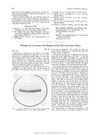
October 1963 in “Textile Research Journal”
7 citations
,
October 1963 in “Textile Research Journal” Merino wool fibers change shape with moisture, while human hair shape stays the same.
 3 citations
,
February 2009 in “Chinese Journal of Traumatology (english Edition)”
3 citations
,
February 2009 in “Chinese Journal of Traumatology (english Edition)” Human hair cells can be used to grow new hair on rat ears, suggesting a possible treatment for hair loss.
 1 citations
,
July 2023 in “Nature communications”
1 citations
,
July 2023 in “Nature communications” MOF controls key genes for skin development by regulating mitochondrial and ciliary functions.
 1 citations
,
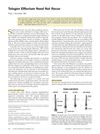
October 2013 in “A & A case reports”
1 citations
,
October 2013 in “A & A case reports” Hair loss from telogen effluvium may not happen again after another surgery.
 January 2015 in “Journal of clinical and investigative dermatology”
 Clipping is the best method to prepare rats for studying hair loss from chemotherapy because it causes less skin damage and effectively gets hair to the right growth phase.
 June 2021 in “Journal of Cosmetic Dermatology”
 Laser treatment shows promise for hair growth, but needs further research.
 316 citations
,
June 2004 in “The journal of investigative dermatology/Journal of investigative dermatology”
316 citations
,
June 2004 in “The journal of investigative dermatology/Journal of investigative dermatology” Microspheres about 1.5 micrometers in size can best penetrate hair follicles, potentially reaching important stem cells.
 239 citations
,
November 2000 in “Journal of The American Academy of Dermatology”
239 citations
,
November 2000 in “Journal of The American Academy of Dermatology” Finasteride doesn't effectively treat hair loss in postmenopausal women.
 222 citations
,
September 2016 in “JCI insight”
222 citations
,
September 2016 in “JCI insight” Tofacitinib is safe and effective for severe alopecia areata, but hair loss may return 2 months after stopping treatment.
 208 citations
,
January 2013 in “Lab on a Chip”
208 citations
,
January 2013 in “Lab on a Chip” The Multi-Organ-Chip improves the growth and quality of skin and hair in the lab, potentially replacing animal testing.
 179 citations
,
March 2005 in “British Journal of Dermatology”
179 citations
,
March 2005 in “British Journal of Dermatology” Oral antiandrogens effectively treat female hair loss, with better results in higher hair loss grades.
 165 citations
,
December 2002 in “Molecular and Cellular Endocrinology”
165 citations
,
December 2002 in “Molecular and Cellular Endocrinology” Male hormones, particularly DHT, are linked to male pattern hair loss, and treatments like finasteride can help, but they don't work for postmenopausal women's hair loss, which may have different causes.
 124 citations
,
June 2020 in “Cell Stem Cell”
124 citations
,
June 2020 in “Cell Stem Cell” Fat cells in the skin help start healing and form important repair cells after injury.
 97 citations
,
September 2011 in “British Journal of Dermatology”
97 citations
,
September 2011 in “British Journal of Dermatology” The human hair follicle can store topical compounds and be targeted for drug delivery with minimal side effects.
 90 citations
,
June 2006 in “The American Journal of Dermatopathology”
90 citations
,
June 2006 in “The American Journal of Dermatopathology” The document concludes that accurate diagnosis of different types of hair loss requires careful examination of hair and scalp tissue, considering both clinical and microscopic features.
 86 citations
,
June 2017 in “Stem cell investigation”
86 citations
,
June 2017 in “Stem cell investigation” Stem cells from hair follicles can safely treat hair loss.
 86 citations
,
April 2016 in “Nature Communications”
86 citations
,
April 2016 in “Nature Communications” Notch1 helps skin heal by attracting specific immune cells.
 86 citations
,
July 2002 in “Clinical and Experimental Dermatology”
86 citations
,
July 2002 in “Clinical and Experimental Dermatology” FPHL is a common, age-related, genetic hair loss with unclear causes and limited treatment options.
 77 citations
,
March 2001 in “Clinics in Dermatology”
77 citations
,
March 2001 in “Clinics in Dermatology” Androgenetic alopecia involves genetics, hormones, and can be treated with medications or surgery.
 72 citations
,
July 2008 in “Dermatologic Therapy”
72 citations
,
July 2008 in “Dermatologic Therapy” CCCA is a scarring hair loss condition mainly in African descent women, possibly caused by genetics and hairstyling, treated with gentle hair care and medications.
 59 citations
,
January 2015 in “Nanoscale”
59 citations
,
January 2015 in “Nanoscale” The new micelle formulation delivers acne treatment more effectively and safely than current gels.
 59 citations
,
October 2012 in “Pharmaceutical Research”
59 citations
,
October 2012 in “Pharmaceutical Research” Squalene-based carriers improve delivery of a treatment to hair follicles for alopecia areata.
 59 citations
,
August 1998 in “International Journal of Dermatology”
59 citations
,
August 1998 in “International Journal of Dermatology” Genetics and hormones cause hair loss; finasteride treats it safely.
 48 citations
,
March 2003 in “BJOG: An International Journal of Obstetrics and Gynaecology”
48 citations
,
March 2003 in “BJOG: An International Journal of Obstetrics and Gynaecology” Mothers and newborns with dental fillings had higher mercury in their hair, but getting fillings during pregnancy didn't raise mercury levels further.
 47 citations
,
September 2008 in “British Journal of Dermatology”
47 citations
,
September 2008 in “British Journal of Dermatology” Ludwig pattern hair loss in women results from varying sensitivity in hair follicles, causing fewer visible hairs.
 43 citations
,
November 2019 in “American Journal of Clinical Dermatology”
43 citations
,
November 2019 in “American Journal of Clinical Dermatology” FAGA diagnosis uses blood tests and trichoscopy, with treatments like topical minoxidil, oral anti-androgens, and hormone-modulating drugs.
 40 citations
,
January 1996 in “Journal of Dermatological Treatment”
40 citations
,
January 1996 in “Journal of Dermatological Treatment” Antimicrobial lotion reduces inflammation and increases hair density in hair loss patients.
 40 citations
,
February 1990 in “Journal of The American Academy of Dermatology”
40 citations
,
February 1990 in “Journal of The American Academy of Dermatology” A 17-year-old developed woolly hair nevus in adolescence, which is unusual, and over time the hair darkened and straightened slightly, but microscopic changes persisted.