 32 citations
,
January 2012 in “International Journal of Dermatology”
32 citations
,
January 2012 in “International Journal of Dermatology” Skin side effects from EGFR inhibitor cancer treatment can be managed effectively, often without stopping the medication.
8 citations
,
June 2010 in “Plastic & Reconstructive Surgery” Complete removal of scalp tumors is crucial, but malignant cases may recur or metastasize, requiring a multidisciplinary approach and close follow-up.
 June 2015 in “Reactions Weekly”
 A man developed alopecia areata after starting cancer treatment with vandetanib.
 46 citations
,
July 1988 in “Journal of The American Academy of Dermatology”
46 citations
,
July 1988 in “Journal of The American Academy of Dermatology” Hormone imbalances can cause specific skin changes, which may help in early detection of endocrine disorders.
 June 2023 in “British Journal of Dermatology”
 Coinheritance of BRCA2 and CYLD genes may lead to new treatment options for certain cancers.
 4 citations
,
January 2016 in “Dermatology Review”
4 citations
,
January 2016 in “Dermatology Review” Cancer treatments often cause skin, nail, and hair problems.
 January 2022 in “Dermatology Review”
 EGFR inhibitors can cause unusual localized hair growth.
 July 2016 in “American Journal of Dermatopathology”
 The meeting showcased rare skin disease cases, highlighting the need for accurate diagnosis and treatment.
 52 citations
,
January 1999 in “Journal of Small Animal Practice”
52 citations
,
January 1999 in “Journal of Small Animal Practice” Removing a cat's pancreatic cancer can temporarily reverse hair loss caused by the disease.
 17 citations
,
January 2010 in “Acta Dermato Venereologica”
17 citations
,
January 2010 in “Acta Dermato Venereologica” EGFR inhibitors can cause yellowish skin eruptions.
 5 citations
,
September 2017 in “Medicine”
5 citations
,
September 2017 in “Medicine” A patient with Cronkhite-Canada Syndrome developed colon cancer that spread to the liver, showing the need for regular cancer checks in such patients.
 June 2018 in “Surgical Case Reports”
 S-1 treatment led to a complete response in pancreatic cancer with manageable side effects.
 February 2008 in “Vlaams dierengeneeskundig tijdschrift”
 A cat's hair loss was linked to a severe pancreatic cancer.
 June 2006 in “British Journal of Dermatology”
 The document reports unique growth lines in a child after Stevens-Johnson syndrome, skin reaction from parsnips and sun in a girl, and itchy skin with xanthomas in a boy with Alagille syndrome.
 September 2018 in “Journal of Investigative Dermatology”
 Non-white organ transplant patients have worse skin cancer outcomes due to later diagnosis and treatment.
 22 citations
,
September 2015 in “Clinical lymphoma myeloma & leukemia/Clinical lymphoma, myeloma and leukemia”
22 citations
,
September 2015 in “Clinical lymphoma myeloma & leukemia/Clinical lymphoma, myeloma and leukemia” Recognizing and treating skin symptoms in essential thrombocythemia is crucial for patient quality of life.
 3 citations
,
November 2022 in “Advances in Clinical and Experimental Medicine”
3 citations
,
November 2022 in “Advances in Clinical and Experimental Medicine” Electric pulse treatments for breast cancer show promise in being safer and more effective, with fewer side effects.
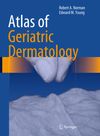 2 citations
,
January 2014 in “Springer eBooks”
2 citations
,
January 2014 in “Springer eBooks” The book details skin conditions in older adults, their link to mental health, cancer treatment importance, hair loss remedies, and managing autoimmune and itchy skin.
 1398 citations
,
May 2008 in “Histochemistry and Cell Biology”
1398 citations
,
May 2008 in “Histochemistry and Cell Biology” Keratins are crucial for cell stability, wound healing, and cancer diagnosis.
 438 citations
,
October 2010 in “Oncogene”
438 citations
,
October 2010 in “Oncogene” Keratins help protect cells, aid in cancer diagnosis, and influence cancer behavior and treatment.
![Comparative Oncology: Evaluation of 2-Deoxy-2-[18F]Fluoro-D-Glucose (FDG) Positron Emission Tomography/Computed Tomography (PET/CT) for the Staging of Dogs with Malignant Tumors](/images/assets/d55cf8d9-d8ee-4735-9b38-42a266b4059d/small/24322.jpg) 17 citations
,
June 2015 in “PLOS ONE”
17 citations
,
June 2015 in “PLOS ONE” FDG PET/CT scans can change cancer treatment plans for dogs.
 8 citations
,
February 2013 in “Central European Journal of Biology”
8 citations
,
February 2013 in “Central European Journal of Biology” Melanocytes are diverse cells important for pigmentation and skin health, influenced by genetics and environment.
 1 citations
,
April 2016 in “Journal of Investigative Dermatology”
1 citations
,
April 2016 in “Journal of Investigative Dermatology” UV photography can help identify people at higher risk for skin cancer, and male pattern baldness at age 45 is linked to a higher risk of certain skin cancers.
 January 2025 in “Dermatology Review”
 Trichilemmal carcinoma is rare, usually benign after removal, but needs close follow-up due to recurrence risks.
 January 2019 in “LASER THERAPY”
 Laser technologies improve medical treatments and outcomes.
![2-Deoxy-2-[18F]Fluoro-D-Glucose Positron Emission Tomography/Computed Tomography](/images/assets/35fab163-57b7-4db8-b1e0-2929b51b2144/small/60162.jpg) January 2016 in “Electronic Theses of LMU Munich (Ludwig-Maximilians-Universität München)”
January 2016 in “Electronic Theses of LMU Munich (Ludwig-Maximilians-Universität München)” FDG PET/CT can improve cancer treatment plans in dogs.
 September 2006 in “Dermatologic Surgery”
 Some aggressive scalp cancers are hard to treat and can be deadly, even when removed with specialized surgery.
 January 2001 in “Dermatologic Surgery”
 The letters discussed medical tools, costs, treatment efficacy, and patient care complexities.
 27 citations
,
July 2017 in “European Journal of Dermatology”
27 citations
,
July 2017 in “European Journal of Dermatology” Certain microRNAs are linked to various skin diseases and could be used to diagnose and treat these conditions.
 81 citations
,
February 2019 in “Experimental & Molecular Medicine”
81 citations
,
February 2019 in “Experimental & Molecular Medicine” PAK4 is crucial in cancer progression, brain development, and could be a therapeutic target, especially through the PAK4-CREB axis.