Different treatments change the strength and flexibility of human hair.
 April 2024 in “Advances in Redox Research”
 Human hair strength and health are linked to sulfur compounds that can be reduced by stress but improved with sulfur supplements.
 1 citations
,
July 2018 in “Elsevier eBooks”
1 citations
,
July 2018 in “Elsevier eBooks” Avoid chemical and physical damage to protect hair.
97 citations
,
January 2005 in “Wear” Human hair and skin friction vary by ethnicity, hair type, and environmental conditions.
73 citations
,
October 2013 in “International Journal of Cosmetic Science” Chemical hair straightening can damage hair and health, needing safer alternatives and stricter regulations.
61 citations
,
January 2011 in “PloS one” Notch signaling is essential for healthy skin and hair follicle maintenance.
53 citations
,
July 2016 in “Cosmetics” Future hair cosmetics will be safer and more effective.
4 citations
,
January 2021 in “Acta Dermato Venereologica” Titanium nanoparticles may trigger frontal fibrosing alopecia, so avoid products with them.
 3 citations
,
October 2020 in “Dermatology Practical & Conceptual”
3 citations
,
October 2020 in “Dermatology Practical & Conceptual” Bubble hair damage is caused by high heat from styling tools, and trichoscopy helps diagnose it.
 November 2025 in “Cosmetics”
 Rice germ oil improves hair health, but adding ferulic acid offers limited benefits and may worsen chemically damaged hair.
 November 2024 in “Journal of Cosmetic Dermatology”
 MSC exosome therapy improved hair quality in patients with acquired trichorrhexis nodosa.
Human hair can almost fully recover its structure within about 1,000 minutes after being stretched.
 September 2023 in “Journal of Natural Fibers”
 Drying hair with a microfiber towel better maintains hair strength and structure than using a cotton towel or blow-drier.
 January 2017 in “Journal of Dermatology and Venereology”
 Naringenin and Hesperetin may help hair grow and protect hair cells from damage.
42 citations
,
December 2018 in “International Journal of Phytocosmetics and Natural Ingredients” Olive and Brazil nut oils improve hair strength, shine, and softness better than silicone.
 59 citations
,
November 2015 in “International Journal of Cosmetic Science”
59 citations
,
November 2015 in “International Journal of Cosmetic Science” Oxidative stress damages hair and contributes to aging, and managing it can help maintain hair health.
 4 citations
,
January 2021 in “Skin appendage disorders”
4 citations
,
January 2021 in “Skin appendage disorders” Hair straightening can damage hair and pose health risks, including exposure to carcinogens and hair loss.
March 2026 in “Journal of the mechanical behavior of biomedical materials/Journal of mechanical behavior of biomedical materials” Hair cuticles remain stable and resilient under stress due to strong protein content and crosslinking.
 June 2025 in “Current Issues in Molecular Biology”
 Minoxidil, caffeine, and biotin can improve hair shine by restoring certain genes.
 72 citations
,
July 2003 in “Journal of cosmetic dermatology”
72 citations
,
July 2003 in “Journal of cosmetic dermatology” Frequent hair coloring and styling can damage hair and cause breakage or loss.
 19 citations
,
July 2018 in “ACS biomaterials science & engineering”
19 citations
,
July 2018 in “ACS biomaterials science & engineering” Bleaching and combing damage hair's surface and mechanical properties.
 1 citations
,
May 2023 in “Frontiers in medicine”
1 citations
,
May 2023 in “Frontiers in medicine” Hair dyes and perms can damage hair and scalp, but using interventions can reduce harm.
 October 2015 in “Cosmetic Dermatology”
 Hair straightening changes hair structure and can cause damage if done wrong, but improvements in the methods are expected to continue.
Acidic sandy clay damages archaeological hair the most, while dry conditions preserve but make it brittle; silicone oil can help keep the hair flexible.
 34 citations
,
November 2008 in “British Journal of Dermatology”
34 citations
,
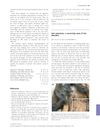
November 2008 in “British Journal of Dermatology” Hair extensions can cause hair loss and scalp damage, and these problems might be more common than people realize.
 19 citations
,
March 1961 in “Nature”
19 citations
,
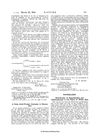
March 1961 in “Nature” A fatty acid/protein complex in human hair helps protect it from damage.
 16 citations
,
October 2003 in “Journal of applied polymer science”
16 citations
,
October 2003 in “Journal of applied polymer science” 2-iminothiorane hydrochloride improves hair waving permanence without damage.
Water and fatty acids affect hair's surface differently based on hair damage, and models can help understand hair-cosmetic interactions.
 35 citations
,
February 2006 in “Textile Research Journal”
35 citations
,
February 2006 in “Textile Research Journal” Enzymes xylanase and pectinase clean wool and specialty hair fibers effectively without damage, offering an eco-friendly alternative to soap and hot water.
MagicalRemedies serum effectively promotes healthy hair growth and reduces damage.