95 citations
,
January 2009 in “Journal of Biomedical Optics” Nanoparticles penetrate hair follicles better when their size matches the cuticula thickness.
2 citations
,
June 2013 in “Journal of Dermatological Case Reports” Olmsted syndrome is a rare skin disorder causing thickened skin and other symptoms.
13 citations
,
February 1980 in “Journal of Cutaneous Pathology” Rubbing seborrheic keratoses causes specific skin changes and may link them to hair follicles.
November 2025 in “Indian Dermatology Online Journal” Clouston syndrome can lead to skin cancer, so monitoring is crucial.
2 citations
,
October 1931 in “Archives of Dermatology and Syphilology” A rare scalp infection in a child developed into a kerion with additional skin symptoms.
6 citations
,
January 2017 in “International Journal of Dermoscopy” Dermoscopy is useful for early diagnosis and monitoring of nail diseases.
10 citations
,
January 1925 in “Archives of Dermatology” Trichostasis spinulosa is a rare skin condition with hair-filled plugs in hair follicles.
38 citations
,
September 1997 in “The journal of investigative dermatology/Journal of investigative dermatology” A mutation in mice causes hair loss and skin issues due to a defect in a gene affecting cell adhesion.
January 2005 in “Chinese Journal of Veterinary” Hairless mice lose hair by 3-4 weeks, develop thicker, folded skin, and show pigmentation differences.
 2 citations
,
August 2013 in “British Journal of Dermatology”
2 citations
,
August 2013 in “British Journal of Dermatology” Chemotherapy improved a girl's painful foot condition linked to pachyonychia congenita.
17 citations
,
October 2001 in “Veterinary dermatology” The skin issues in the two dogs might be caused by infection or self-injury, not genetics.
40 citations
,
July 2019 in “Journal of Investigative Dermatology” Lack of a key enzyme causes severe skin issues and death in mice.
 245 citations
,
January 1998 in “Genes & Development”
245 citations
,
January 1998 in “Genes & Development” Hoxc13 gene is essential for hair, nail, and papilla development.
 April 2023 in “The journal of investigative dermatology/Journal of investigative dermatology”
 The study found that a key immune pathway protecting hair follicles is reduced in a mouse model of scarring hair loss.
5 citations
,
July 2009 in “Clinical and experimental dermatology” 1 citations
,
July 2017 in “Skin Appendage Disorders” A woman developed permanent hair loss after a face-lift surgery despite various treatments.
 April 2023 in “The journal of investigative dermatology/Journal of investigative dermatology”
 Deleting the Hoxc13 gene in frogs shows its crucial role in developing skin structures similar to hair.
September 2024 in “Journal of the American Academy of Dermatology” 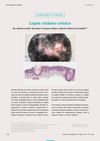 January 2024 in “Revista Dermatológica Centro Uraga”
 The patient has Chronic Cutaneous Lupus, a skin condition causing plaques and hair loss.
June 2018 in “Journal of the American Veterinary Medical Association” Three related Persian cats have a rare, likely hereditary skin condition causing hair loss and poor coat quality, with limited treatment options.
 2 citations
,
January 2018
2 citations
,
January 2018 The document reports the 19th global case of a rare skin condition in a patient from Colombia.
5 citations
,
September 2018 in “International journal of genomics” Genetic mutations that disrupt homocysteine breakdown lead to increased damage in mouse hair keratin.

The woman was diagnosed with lichen sclerosus, a rare skin condition, after initial misdiagnosis and ineffective treatments.
 March 2023 in “International journal of integrated medical research”
 Keratosis pilaris is a common skin condition where hair follicles get clogged with keratin, mostly on the arms and thighs.
37 citations
,
April 1977 in “Journal of Cutaneous Pathology” Skin biopsy can help diagnose hair loss from trichotillomania.
5 citations
,
October 2003 in “Archives of Dermatology” The elderly woman experienced hair loss and scalp itching, especially at the front hairline, and lost her eyebrows.
8 citations
,
January 2014 in “Indian Dermatology Online Journal” Trichostasis spinulosa is a common but often unnoticed skin condition involving bundled vellus hairs, especially in people with darker skin or UV exposure.
9 citations
,
July 2008 in “Archives of Dermatological Research” January 2016 in “Elsevier eBooks” Dermatophycosis is a treatable fungal skin infection spread by contact with infected animals.
April 2017 in “Journal of dermatological science” Removing PLCg1 from skin cells caused thicker oil glands and less hair in mice.