 3 citations
,
April 1978 in “PubMed”
3 citations
,
April 1978 in “PubMed” The study concludes that traction alopecia, caused by hair styling, can help understand telogen effluvium, a condition of excessive hair loss.
28 citations
,
June 1995 in “The Journal of Dermatology” The flaky skin mouse mutation is a natural model for studying human psoriasis.
8 citations
,
March 1990 in “Indian Journal of Dermatology Venereology and Leprology” Cutting matted hair stopped further hair loss caused by homemade shampoo.
Low vitamin C caused bleeding and corkscrew hair, resolved with vitamin C treatment.
3 citations
,
January 2002 in “Actas Dermo-Sifiliográficas” Excessive minoxidil use can damage hair structure.
11 citations
,
January 1977 in “Archives of dermatological research” Mouse tail skin has different keratinization near hair follicles and scales.
 14 citations
,
January 2009 in “Experimental Dermatology”
14 citations
,
January 2009 in “Experimental Dermatology” Hair sheds gradually from the follicle, with readiness to shed indicated by less attachment material.
June 2023 in “The Journal of Family Practice” The hair loss is likely due to a fade haircut.
 January 2014 in “Journal of the Korean Society of Design Culture”
 The study confirmed that changes in hair structure in women with hair loss conditions matched what is taught in beauty college trichology courses.
 32 citations
,
April 2014 in “The journal of investigative dermatology/Journal of investigative dermatology”
32 citations
,
April 2014 in “The journal of investigative dermatology/Journal of investigative dermatology” Loss of keratin K2 causes skin problems and inflammation.
5 citations
,
October 2003 in “Archives of Dermatology” The elderly woman experienced hair loss and scalp itching, especially at the front hairline, and lost her eyebrows.
24 citations
,
January 2009 in “International Journal of Trichology” Sunlight exposure ages hair, making it brittle, stiff, and dry.
 November 2022 in “The journal of investigative dermatology/Journal of investigative dermatology”
 Linalool in personal care products may contribute to hair loss by damaging hair follicle stem cells and triggering harmful immune responses.
 2 citations
,
February 1994 in “Archives of Dermatology”
2 citations
,
February 1994 in “Archives of Dermatology” The debate focuses on the role of catagen and hair shedding mechanisms in telogen effluvium.
2 citations
,
May 2022 in “International journal of trichology” Plica neuropathica is a tangled hair condition that may be caused by hair damage or psychiatric issues and is treated by cutting the hair and addressing mental health.
 December 2025 in “IP Indian Journal of Clinical and Experimental Dermatology”
 Hair shaft disorders often indicate genetic or systemic issues and are managed by minimizing damage.
 13 citations
,
November 2012 in “International Journal of Dermatology”
13 citations
,
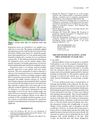
November 2012 in “International Journal of Dermatology” Curly hair breaks more easily, especially with chemical treatments, but simpler grooming reduces breakage.
 8 citations
,
January 2008 in “Pediatric dermatology”
8 citations
,
January 2008 in “Pediatric dermatology” Hair gels may cause split ends in children.
 September 1998 in “Journal of The European Academy of Dermatology and Venereology”
 Old people's nails often have problems due to body changes, more diseases, and self-care difficulties, affecting their movement and hand use.
1 citations
,
January 2009 in “The Open Dermatology Journal” Chemotherapy caused nail grooves and separation, but they healed after treatment stopped.
84 citations
,
June 1970 in “Journal of Investigative Dermatology” 2 citations
,
January 2018 in “Indian dermatology online journal” A homeopathic antidandruff shampoo caused severe hair matting in a girl.
December 2020 in “Dermatology practical & conceptual” Trichoscopy helped diagnose a teenage girl's hair loss as monilethrix.
22 citations
,
July 2006 in “Annals of The Royal College of Surgeons of England” Hair or fiber wrapped tightly around a toe can lead to serious injury if not treated quickly.
 January 2021 in “Nasza Dermatologia Online”
 Plica polonica is a rare condition where hair becomes irreversibly tangled, and the treatment is to cut the matted hair.
 12 citations
,
January 2007 in “Current problems in dermatology”
12 citations
,
January 2007 in “Current problems in dermatology” Environmental and cosmetic factors, including heat, chemicals, and sun exposure, can cause hair loss and damage.
 108 citations
,
March 2011 in “Archives of Dermatology”
108 citations
,
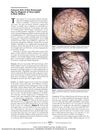
March 2011 in “Archives of Dermatology” Corkscrew hair may be a new sign for quickly diagnosing scalp fungus in black children.
January 2023 in “Odisha Journal of Psychiatry” Thorough patient interviews are crucial to identify self-inflicted hair loss.
 6 citations
,
December 2011 in “Clinical and Experimental Dermatology”
6 citations
,
December 2011 in “Clinical and Experimental Dermatology” A woman developed rare, unexplained curly hair on her scalp and eyelashes.
18 citations
,
September 1994 in “Clinical and Experimental Dermatology” Localized trichorrhexis nodosa is a hair condition where hair becomes fragile and breaks easily due to damage.