69 citations
,
January 2005 in “The Journals of Gerontology Series A” Short telomeres may cause symptoms like hair loss and osteoporosis, offering insights into aging.
 May 2009 in “Medical and surgical dermatology/Medical & surgical dermatology”
 Hair and nail conditions can stabilize or improve over time, and new treatments show promise.
January 2015 in “Springer eBooks” Healthy hair is crucial to avoid dryness, weakness, and breakage.
December 2025 in “British Journal of Dermatology”  March 2024 in “CRC Press eBooks”
 Telogen effluvium is a type of hair loss where more hair than normal falls out after stress or illness.
2 citations
,
July 2021 in “Actas dermo-sifiliográficas/Actas dermo-sifiliográficas” Hair shaft disorders are diagnosed through examination and history, with general care and some treatments offering improvement.
16 citations
,
October 1992 in “Journal of cutaneous pathology” Bubble hair deformity may be caused by hair shaft trauma and can improve with gentle hair care.
2 citations
,
October 2015 in “The Journal of Dermatology” Early treatment of hair-pulling disorder is crucial to prevent permanent hair loss and scarring.
 1 citations
,
January 2017 in “Yonsei Medical Journal”
1 citations
,
January 2017 in “Yonsei Medical Journal” Hair is thinner near the scalp in acute hair shedding conditions.
 18 citations
,
August 2018 in “The FASEB journal”
18 citations
,
August 2018 in “The FASEB journal” Rabbits lacking the Hoxc13 gene show similar hair and skin issues to humans with ECTD-9, making them good for research on this condition.
46 citations
,
September 2007 in “Journal of Investigative Dermatology” June 2026 in “JAAD Case Reports” Scurvy, caused by vitamin C deficiency, can occur in people with restrictive diets and can be diagnosed by twisted hair shafts.
15 citations
,
August 2010 in “Annals of saudi medicine/Annals of Saudi medicine” Hair tourniquet syndrome is a rare condition where hair wraps around an infant's body part, needing quick removal to prevent damage.
2 citations
,
January 2014 in “Dermatology Online Journal” Hair-thread tourniquet syndrome needs more awareness and discussion in dermatology.
44 citations
,
October 1990 in “Archives of Dermatological Research” The connective tissue around hair follicles changes structure throughout the hair cycle.
5 citations
,
January 2009 in “International Journal of Trichology” Two siblings had a rare hair condition with banded hair, which doesn't need treatment.
 January 2021 in “American Academy of PediatricsItasca, IL eBooks”
 Telogen effluvium is a condition that causes temporary hair loss due to stress or shock to the body.
8 citations
,
September 1981 in “Zentralblatt für Veterinärmedizin Reihe A” Biotin deficiency in pigs causes hair loss, skin issues, and weak claws.
5 citations
,
July 2009 in “Clinical and experimental dermatology” 7 citations
,
January 2017 in “Sub-cellular biochemistry/Subcellular biochemistry”  1 citations
,
July 2020 in “Benha Journal of Applied Sciences”
1 citations
,
July 2020 in “Benha Journal of Applied Sciences” Trichoscopy is useful for diagnosing Frontal Fibrosing Alopecia.
January 2005 in “Chinese Journal of Veterinary” Hairless mice lose hair by 3-4 weeks, develop thicker, folded skin, and show pigmentation differences.
8 citations
,
July 2020 in “Clinical, cosmetic and investigational dermatology” Excessive sun protection might cause frontal fibrosing alopecia by disrupting skin immune balance.
1 citations
,
April 2016 in “Journal of Investigative Dermatology” Zinc deficiency causes reversible hair loss by disrupting hair growth and stem cell function.
7 citations
,
January 2017 in “International Journal of Trichology” Chemotherapy and certain hair care practices can cause severe hair matting.
 March 2025 in “The Open Dermatology Journal”
 Trichorrhexis nodosa is common hair breakage, often due to styling, and new treatments are being explored.
 December 2021 in “Australasian Journal of Dermatology”
 Red stripes on nails and hair loss may occur after COVID-19.
 1 citations
,
September 2019 in “Springer eBooks”
1 citations
,
September 2019 in “Springer eBooks” Telogen effluvium is a condition that causes temporary hair loss due to stress or shock to the body.
 63 citations
,
October 2011 in “Archives of Dermatology”
63 citations
,
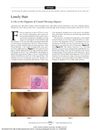
October 2011 in “Archives of Dermatology” Isolated long hairs at the original hairline can help diagnose Frontal Fibrosing Alopecia.
 16 citations
,
May 2003 in “International Journal of Dermatology”
16 citations
,
May 2003 in “International Journal of Dermatology” Trichotillomania, a disorder where people compulsively pull out their own hair, often starts around age 12, is more common in adult females, and can be treated with behavior therapy and medication.