
New hair regrowth therapies show promise but need more research.
 May 2025 in “Frontiers in Pharmacology”
 New treatments are needed for non-scarring alopecia due to current limitations.
April 2025 in “Cosmetics” Clinopodium bolivianum essential oil boosts antioxidant activity in hair products, especially in combing cream.
 February 2025 in “Animals”
 Amino acid-complexed trace minerals improve hair quality and activity in senior dogs.
 February 2025 in “International Journal of Cosmetic Science”
 A new amino acid derivative, ATS, improves hair texture and moisture, making it easier to straighten curly hair.
February 2025 in “Skin Research and Technology” New non-invasive techniques can improve diagnosis and treatment of scalp and hair diseases.
 January 2025 in “BMC Genomics”
 Key genes and RNA networks regulate hair growth and follicle density in Rex rabbits.
 November 2024 in “Burns & Trauma”
 Skin organoids help improve wound healing and tissue repair.
 October 2024 in “Cosmetics”
 Afro-textured hair needs personalized care due to its unique genetic traits.
 October 2024 in “Biology”
 Dermal papilla cells can help regrow hair and are promising for hair loss treatments.
 September 2024 in “International Journal of Molecular Sciences”
 Hydrangea serrata extract may promote hair growth and improve hair health.
 September 2024 in “Skin Research and Technology”
 AFM can help diagnose lichen planopilaris by identifying specific hair structure changes.
 July 2024 in “Applied Sciences”
 Bimatoprost is more effective than sweet almond oil for enhancing eyebrow growth.
April 2024 in “Cosmetics” Microneedling improves skin and hair conditions by enhancing treatment absorption and stimulating growth factors.
 February 2024 in “International Journal of Molecular Sciences”
 Hair loss in Androgenetic Alopecia is caused by genetics, aging, and lifestyle, leading to hair follicle shrinkage and related health risks.
 January 2024 in “ACS Biomaterials Science & Engineering”
 A new method using a microfluidic device can prepare hair follicle germs efficiently for potential use in hair loss treatments.
Transplanted rat hair follicles grew hair and had increased but not fully restored nerve connections in mice.

Nanocarriers with plant extracts show promise for safe and effective hair growth treatment.
 October 2023 in “Current Issues in Molecular Biology”
 The YH complex, made from Astragalus membranaceus and Cinnamomum cassia, may help treat hair loss by promoting hair growth and follicle development.
 October 2023 in “Biomaterials”
 Nanotechnology could improve hair regrowth but faces challenges like complexity and safety concerns.
 September 2023 in “Biomedical Optics Express”
 New imaging techniques show testosterone delays hair growth and shrinks follicles in mice, but have limited depth for viewing.
 June 2023 in “Frontiers in Genetics”
 Genes related to calcium signaling and lipid metabolism are important for curly hair in Mangalitza pigs.
 January 2023 in “Fashion and textiles”
 Cationic and nonionic surfactants provide better color intensity and resistance for semi-permanent hair dye than anionic surfactants.
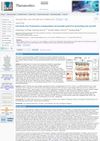 January 2023 in “Theranostics”
 A patch with curcumin-zinc can improve hair growth and health by delivering beneficial particles to the skin, increasing hair follicles, and reversing effects of a hair loss hormone.
 December 2022 in “Scientific Reports”
 Stem cells from whiskers can be transplanted to stimulate hair growth.
April 2021 in “Indian Journal of Animal Research” Goat skin has collagen, elastic, and reticular fibers, with hair follicles increasing in depth as goats age.
Hair can't be as strong as Rapunzel's because it's impractical to scale up due to defects.
 January 2017 in “Journal of Investigative Dermatology Symposium Proceedings”
 The 2015 Hair Research Congress concluded that stem cells, maraviroc, and simvastatin could potentially treat Alopecia Areata, topical minoxidil, finasteride, and steroids could treat Frontal Fibrosing Alopecia, and PTGDR2 antagonists could also treat alopecia. They also found that low-level light therapy could help with hair loss, a robotic device could assist in hair extraction, and nutrition could aid hair growth. They suggested that Alopecia Areata is an inflammatory disorder, not a single disease, indicating a need for personalized treatments.
June 2016 in “한국디자인문화학회지” UVA damages all hair types, especially permanently waved and colored hair.
March 2009 in “Dermatology Online Journal” Manipulating EGFR signaling may help treat hair loss and promote hair growth.