January 2026 in “Applied Sciences” Cyclic ADP-ribose helps regulate calcium and signals that promote hair growth in hair follicle cells.
6 citations
,
March 1976 in “Journal of Investigative Dermatology” 60 citations
,
August 1969 in “British Journal of Dermatology” Germicides mostly stay on the skin's surface, but some penetrate deeper depending on the product used.
 18 citations
,
January 2008 in “Sen'i Gakkaishi”
18 citations
,
January 2008 in “Sen'i Gakkaishi” Thioglycolic acid and L-cysteine change hair structure differently during perms, affecting hair strength and curling efficiency.

The treatment was ineffective in humans.
1 citations
,
February 2023 in “IntechOpen eBooks” Targeted photodynamic therapy is a promising method for precise disease treatment and diagnosis.
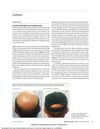 April 2016 in “JAMA Dermatology”
 Baseball caps don't fully protect bald spots on the back of the head from sun damage; wear wide-brimmed hats or use sunscreen.
26 citations
,
April 2011 in “British Journal of Dermatology” New mutations in the DSG4 gene cause a rare hair condition.
 21 citations
,
January 2018 in “Anticancer Research”
21 citations
,
January 2018 in “Anticancer Research” NBCCS and BFHS might be the same syndrome, helping better identify and manage cases.
29 citations
,
August 2011 in “PubMed” Polymeric pretreatments can significantly reduce hair breakage and damage from hot flat irons.
January 1996 in “Studia iuridica” Two new gene mutations cause a rare hair disorder.
 November 2022 in “The journal of investigative dermatology/Journal of investigative dermatology”
 Targeted cancer therapies can cause skin side effects, but activating SOS in the skin may help reduce them.
 4 citations
,
January 2001 in “Archives of Biochemistry and Biophysics”
4 citations
,
January 2001 in “Archives of Biochemistry and Biophysics” Activated ras can protect kidney cells from a certain substance that causes cell death.
20 citations
,
August 2020 in “Scientific Reports” Low-dose bisphenol A increases prostate size in rats by affecting certain enzymes.
 9 citations
,
January 2014 in “DARU Journal of Pharmaceutical Sciences”
9 citations
,
January 2014 in “DARU Journal of Pharmaceutical Sciences” Cuscuta reflexa extracts helped regrow hair in rats with drug-induced hair loss.
 1 citations
,
November 2023 in “BMC chemistry”
1 citations
,
November 2023 in “BMC chemistry” Tadalafil and Finasteride may help treat aggressive melanoma.
 2 citations
,
November 2025 in “Journal of Ovarian Research”
2 citations
,
November 2025 in “Journal of Ovarian Research” Reducing granulosa cell pyroptosis may improve oocyte maturation in PCOS.
15 citations
,
April 2011 in “The journal of investigative dermatology/Journal of investigative dermatology” A3B5 can reduce skin pigmentation and slow melanoma growth.
37 citations
,
January 1986 in “Carcinogenesis” ODC expression in mouse skin and tumors is varied and can be inhibited by retinoic acid or cycloheximide.
 4 citations
,
September 2020 in “Cell division”
4 citations
,
September 2020 in “Cell division” XMU-MP-1 stops cell growth in a human mini-organ and reduces the effectiveness of the chemotherapy drug paclitaxel.
January 2008 in “Projeto: revista mensal de arquitetura” Targeted cancer drugs can cause skin reactions, so dermatologists must manage these effects.
10 citations
,
May 2021 in “Clinical, cosmetic and investigational dermatology” UV exposure causes hair thinning, graying, and changes in hair growth cycles in mice.
Boosting certain cell signals can prevent hair loss from chemotherapy and radiation.
 May 2023 in “Dermatology Online Journal”
 No increased skin cancer risk was found in alopecia patients treated with photobiomodulation.
April 2022 in “Book Publisher International (a part of SCIENCEDOMAIN International)” Catalase in processed meats may emit electromagnetic fields that increase cancer risk.
November 2016 in “The Molecular Biology Society of Japan”  23 citations
,
August 2019 in “Proceedings of the National Academy of Sciences of the United States of America”
23 citations
,
August 2019 in “Proceedings of the National Academy of Sciences of the United States of America” Pollution exposure speeds up hair damage.
 May 2026 in “International Journal of Scientific Research in Chemistry”
 Finasteride breaks down into new compounds under acidic conditions.
September 2025 in “OPAL (Open@LaTrobe) (La Trobe University)” The treatments stopped hair regrowth in mice.
3 citations
,
March 2013 in “QScience Connect” Photodynamic therapy with methylene blue and a laser effectively destroys hair follicles better than traditional laser hair removal.