 January 2016 in “Human & Experimental Toxicology”
 A specific DNA sequence caused hair loss in male mice by activating immune cells and increasing a certain immune signal.
February 2026 in “UiTM Institutional Repositories (Universiti Teknologi MARA)” Cis-UCA can form new compounds without enzymes, and sulphide donors reduce its UVB-induced toxicity in skin cells.
40 citations
,
March 2019 in “Pharmaceutical development and technology” Smaller particles of the drug carrier penetrated skin better, with 300 nm size being best for targeting hair follicles.
152 citations
,
April 2002 in “The journal of investigative dermatology/Journal of investigative dermatology” A new mutation in the Connexin 26 gene was found in a patient with KID syndrome, expanding the known disorders linked to this gene.
 March 2014 in “Journal of The American Academy of Dermatology”
 Cortexolone 17a-propionate may be an effective new treatment for hair loss.
 1 citations
,
April 2017 in “Journal of Investigative Dermatology”
1 citations
,
April 2017 in “Journal of Investigative Dermatology” CCL5 is important for the hair growth potential of human dermal papilla cells.
![The Synthesis of (−)-4-Methyl-8-Chloro-Trans-1,2,3,4,4a,5,6,10b-Octahydrobenzo-[f]-Quinolin-3-One-[3-14C] (LY300502-14C) via a Circuitous Route](/images/assets/73bab8dc-bdf0-45e3-8ef7-73d0d4b93cb1/small/21074.jpg) 3 citations
,
October 1994 in “Journal of Labelled Compounds and Radiopharmaceuticals”
3 citations
,
October 1994 in “Journal of Labelled Compounds and Radiopharmaceuticals” Scientists made a carbon-14 labeled version of a drug with a 48% yield and over 99% purity.
1 citations
,
September 2020 in “Journal of dermatology” Researchers found a new mutation in the LIPH gene of a woman with a rare hair condition.
22 citations
,
December 2015 in “The journal of investigative dermatology/Journal of investigative dermatology” A mouse gene mutation increases the risk of skin cancer.
June 2026 in “Quality in Sport” CAH requires a multidisciplinary approach, and while current treatments help, future therapies show promise.
10 citations
,
October 2018 in “Journal of molecular and cellular cardiology/Journal of Molecular and Cellular Cardiology” The gene NM_026333 slows down aging by affecting the NCX1 pathway and could be targeted for anti-aging treatments.
May 2018 in “The journal of immunology/The Journal of immunology” Mutations in the FOXN1 gene cause severe immune issues but don't affect hair and nails.
2 citations
,
December 2013 in “Journal of dermatology” A specific gene mutation causes a rare hair loss condition in a Chinese patient.
 11 citations
,
March 2016 in “Translational Andrology and Urology”
11 citations
,
March 2016 in “Translational Andrology and Urology” Nandrolone might increase muscle mass with fewer side effects than testosterone but could cause erectile dysfunction and needs more research.
September 2025 in “Science Advances” PADI4 enzyme slows down cell growth in developing hair follicles.
990 citations
,
October 1999 in “Development” Activated LEF/TCF complexes are crucial for hair development and cycling.
 17 citations
,
June 2020 in “Animals”
17 citations
,
June 2020 in “Animals” lncRNAs may regulate hair follicle development in Hu sheep.
22 citations
,
November 2008 in “The journal of investigative dermatology/Journal of investigative dermatology” Cystatin M/E helps in the final stages of hair and nail formation by controlling certain enzymes.
1 citations
,
December 2012 in “Journal of Dermatological Science” FGF18 controls hair growth rest phase.
11 citations
,
October 2005 in “Toxicological Sciences” Cigarette smoke condensates increase tumor-promoting markers in mouse skin, especially around hair follicles.
 November 2020 in “bioRxiv (Cold Spring Harbor Laboratory)”
 Dermal EZH2 controls skin cell growth and differentiation in mice.
 June 2019 in “Reactions Weekly”
  97 citations
,
November 1986 in “Journal of Steroid Biochemistry”
97 citations
,
November 1986 in “Journal of Steroid Biochemistry” Antiandrogens affect androgen-dependent body functions and are used for various medical conditions, with some risks like fetus feminization, but new forms like 17α-propylmesterolone show promise for acne without systemic effects.
45 citations
,
April 2001 in “The journal of investigative dermatology/Journal of investigative dermatology” Different Myc family proteins are located in various parts of the hair follicle and may affect stem cell behavior.
32 citations
,
July 2018 in “FEBS letters” A specific protein complex increases the activity of a plant enzyme, but this action is not required for plant root hair growth.
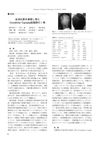 January 2014 in “Progress of Digestive Endoscopy”
 Prednisolone improved symptoms in a woman with Cronkhite-Canada syndrome, but regular screenings are needed due to cancer risk.
 3 citations
,
April 2015 in “AFRICAN JOURNAL OF BIOTECHNOLOGY”
3 citations
,
April 2015 in “AFRICAN JOURNAL OF BIOTECHNOLOGY” Certain genetic markers on the Y-chromosome may influence prostate cancer risk in Iraqi males.
158 citations
,
February 2012 in “Journal of Investigative Dermatology” FGF18 helps keep hair in its resting phase, affecting hair growth cycles.
4 citations
,
August 2023 in “Biomedicine & Pharmacotherapy” Ivacaftor can protect against noise-induced hearing loss by reducing oxidative stress.
11 citations
,
June 1979 in “British Journal of Dermatology” The enzyme system in hair follicles is similar to the liver's and is affected by certain inhibitors.