 4 citations
,
October 2025 in “International Journal of Medical Sciences”
4 citations
,
October 2025 in “International Journal of Medical Sciences” Tripeptides help heal wounds and regenerate skin by speeding up tissue repair and reducing inflammation.
 2 citations
,
January 2012 in “InTech eBooks”
2 citations
,
January 2012 in “InTech eBooks” Chemotherapy often causes hair loss, which usually grows back within 3 to 6 months, but there's no effective treatment to prevent it.
 December 2024 in “Deleted Journal”
 New therapies show promise for wound healing, but more research is needed for safe, affordable options.
 March 2024 in “Cytologia”
 LncRNA MTC boosts growth of goat skin cells, improving cashmere quality.

Human hair keratins can be turned into useful 3D biomedical scaffolds through a freeze-thaw process.
 2 citations
,
December 2014
2 citations
,
December 2014 Low biotin intake during pregnancy can affect biotin transport in mothers and fetuses.
 199 citations
,
January 2004 in “The International Journal of Developmental Biology”
199 citations
,
January 2004 in “The International Journal of Developmental Biology” Hair follicle growth and development are controlled by specific genes and molecular signals.
![Integrating Multi-Omics Analyses of Nonomuraea Dietziae to Reveal the Role of Soybean Oil in [(4′-OH)MeLeu]4-CsA Overproduction](/images/assets/0eba9759-3aa4-4a06-a70a-2d9c46be53f3/small/23018.jpg) 1 citations
,
July 2017 in “Microbial Cell Factories”
1 citations
,
July 2017 in “Microbial Cell Factories” Adding soybean oil to Nonomuraea dietziae increases production of a beneficial compound by improving metabolism and enzyme systems.

Keratin hydrogels from human hair show promise for tissue engineering and regenerative medicine.
 84 citations
,
March 2010 in “Infectious Disease Clinics of North America”
84 citations
,
March 2010 in “Infectious Disease Clinics of North America” The document concludes that rapid identification, isolation, and strict infection control are crucial to manage SARS outbreaks.
 25 citations
,
June 2021 in “Developmental Cell”
25 citations
,
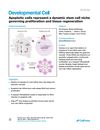
June 2021 in “Developmental Cell” Dying cells can help with faster healing and new hair growth by releasing a growth-promoting molecule.
10 citations
,
November 2024 in “Cureus” Women with PCOS have a higher risk of heart disease due to factors like insulin resistance and obesity.
 July 2021 in “International Journal of Research in Ayurveda and Pharmacy”
 Natural plant compounds may offer safer COVID-19 treatments with fewer side effects.
 421 citations
,
January 2015 in “Chemical Society Reviews”
421 citations
,
January 2015 in “Chemical Society Reviews” Improving artificial vascular grafts requires better materials and surface designs to reduce blood clotting and support blood vessel cell growth.
 280 citations
,
July 2018 in “Antioxidants”
280 citations
,
July 2018 in “Antioxidants” Treatments that reduce oxidative stress and fix mitochondrial problems may help heal chronic wounds.
 235 citations
,
June 2021 in “International Journal of Molecular Medicine”
235 citations
,
June 2021 in “International Journal of Molecular Medicine” Kidney stones form due to factors like urine concentration, calcium deposits, hormones, gut bacteria, and immune response.
 178 citations
,
October 2001 in “Genes & Development”
178 citations
,
October 2001 in “Genes & Development” The mutated hairless gene causes hair loss by acting as a new type of corepressor affecting thyroid hormone receptors.
 94 citations
,
January 2007 in “Cutaneous and Ocular Toxicology”
94 citations
,
January 2007 in “Cutaneous and Ocular Toxicology” Iranian veterans exposed to sulfur mustard suffer from long-term skin itching and eye damage, with some risk of skin cancer and ongoing management challenges.
 86 citations
,
January 2019 in “Frontiers in Immunology”
86 citations
,
January 2019 in “Frontiers in Immunology” The document concludes that diagnosing and treating Human African Trypanosomiasis is challenging, but new treatments like fexinidazole are promising.
 81 citations
,
June 2012 in “European journal of human genetics”
81 citations
,
June 2012 in “European journal of human genetics” Inherited ichthyoses cause widespread skin scaling and thickening due to gene mutations.
 73 citations
,
June 2010 in “PLoS Genetics”
73 citations
,
June 2010 in “PLoS Genetics” A gene mutation in mice causes hair loss, weak bones, and protein buildup, showing how protein processing issues can lead to diseases.
 68 citations
,
September 2018 in “International Journal of Molecular Sciences”
68 citations
,
September 2018 in “International Journal of Molecular Sciences” Air pollution (PM10) increases skin inflammation and aging by reducing collagen and may trigger a repair response in skin cells.
 65 citations
,
September 2010 in “Journal of the Neurological Sciences”
65 citations
,
September 2010 in “Journal of the Neurological Sciences” Kennedy's disease leads to muscle weakness and sensory issues, has no cure but manageable symptoms, and future treatments look promising.
 61 citations
,
May 2015 in “Planta”
61 citations
,
May 2015 in “Planta” Certain fungi and bacteria help orchid seeds germinate and plants grow better.
 60 citations
,
June 1997 in “Journal of The American Academy of Dermatology”
60 citations
,
June 1997 in “Journal of The American Academy of Dermatology” Apoptosis is crucial for healthy skin and treating skin diseases.
 53 citations
,
October 2014 in “Free radical biology & medicine”
53 citations
,
October 2014 in “Free radical biology & medicine” Defective mitochondrial DNA replication causes aging symptoms and increased oxidative damage in mice.
 52 citations
,
October 2012 in “Journal of Dermatological Science”
52 citations
,
October 2012 in “Journal of Dermatological Science” The document concludes that mouse models are crucial for studying hair biology and that all mutant mice may have hair growth abnormalities that require detailed analysis to identify.
 50 citations
,
December 2020 in “Bioactive Materials”
50 citations
,
December 2020 in “Bioactive Materials” Wound dressing absorbs fluid, regenerates hair follicles, and heals skin burns.
 47 citations
,
June 2019 in “Nature Communications”
47 citations
,
June 2019 in “Nature Communications” Noncoding dsRNA boosts hair growth by activating TLR3 and increasing retinoic acid.
 44 citations
,
January 2005 in “Dermatology”
44 citations
,
January 2005 in “Dermatology” Hair problems can be caused by genetics or the environment, and treatment should focus on the cause and reducing hair damage.