 January 2023 in “Indian dermatology online journal”
 A boy with Pachyonychia congenita has a confirmed gene mutation, highlighting the need for a local genetic database in India.
 December 2023 in “American journal of medical genetics. Part A”
 A new syndrome was linked to two new genetic changes in the MBTPS1 gene in a 14-year-old girl.
26 citations
,
January 1993 in “Dermatology” A rare case of isolated trichothiodystrophy was identified, marked by brittle hair with low sulfur content.
 14 citations
,
January 2018 in “Endocrine”
14 citations
,
January 2018 in “Endocrine” Cantú syndrome may be linked to pituitary adenomas.
8 citations
,
April 2017 in “American Journal of Dermatopathology” Inflammation may cause nail issues in Cronkhite–Canada Syndrome.
 13 citations
,
June 2018 in “Dermatopathology”
13 citations
,
June 2018 in “Dermatopathology” A new classification system for skin cysts was proposed to improve diagnosis.
3 citations
,
January 2013 in “Türk veterinerlik ve hayvancılık dergisi/Turkish journal of veterinary and animal sciences” A cat in Turkey had Ehlers-Danlos syndrome, showing very stretchy skin and easy bruising.
 January 1999 in “American Journal of Medical Genetics Part A”
 The report expanded knowledge of MBTPS1-related disorders by identifying new symptoms.
 87 citations
,
March 2014 in “Biochimica et Biophysica Acta (BBA) - Molecular and Cell Biology of Lipids”
87 citations
,
March 2014 in “Biochimica et Biophysica Acta (BBA) - Molecular and Cell Biology of Lipids” Cholesterol sulfate buildup due to a genetic mutation disrupts the skin barrier, leading to the scaling skin seen in X-linked ichthyosis.
September 2021 in “Pediatrics in review” A baby with KID syndrome died from infections and organ failure at 18 months old.
 3 citations
,
January 2023 in “American journal of physiology. Cell physiology”
3 citations
,
January 2023 in “American journal of physiology. Cell physiology” Inward rectifier potassium channels are important in many body functions and diseases, and could be potential drug targets.
 January 2022 in “Function”
 Studying rare genetic disorders can help us understand and treat common diseases better.
3 citations
,
July 2024 in “Frontiers in Medicine” Mutations in the KLHL24 gene cause a skin disorder in some Russian families.
 November 2009 in “Journal of Pediatric Nursing”
 Nonclassic congenital adrenal hyperplasia is a common genetic disorder that can cause a range of symptoms and requires personalized treatment.
30 citations
,
January 2013 in “Human Mutation” A mutation in the HOXC13 gene causes hair and nail problems in a Syrian family.
2 citations
,
January 1968 in “PubMed” Sulfur-containing radioprotectors can protect hair from X-ray damage if given before exposure but worsen damage if given after.
372 citations
,
December 2004 in “Nature Genetics” 23 citations
,
August 1975 in “Experimental Biology and Medicine” Copper supplements during pregnancy improve survival and development in mutant mice.
January 1996 in “Studia iuridica” Two new gene mutations cause a rare hair disorder.
A rare genetic mutation causes Woodhouse-Sakati syndrome symptoms.
58 citations
,
November 1969 in “British Journal of Dermatology” Netherton's disease causes multiple hair defects.
5 citations
,
June 2008 in “British Journal of Dermatology” 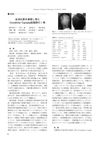 January 2014 in “Progress of Digestive Endoscopy”
 Prednisolone improved symptoms in a woman with Cronkhite-Canada syndrome, but regular screenings are needed due to cancer risk.
 19 citations
,
August 2020 in “Gastroenterology report”
19 citations
,
August 2020 in “Gastroenterology report” There is no standard treatment for the rare Cronkhite–Canada syndrome, which can be fatal and lead to cancer.
November 2025 in “JDDG Journal der Deutschen Dermatologischen Gesellschaft” Restoring phenylalanine levels improved skin and hair symptoms in a PKU infant.
5 citations
,
April 2022 in “The journal of investigative dermatology/Journal of investigative dermatology” A new therapy for a skin blistering condition has not been developed yet.
 August 2013 in “Gastroenterology”
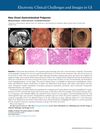
 A 60-year-old man with Cronkhite-Canada syndrome improved with treatment, but the condition has a high mortality rate and a risk of colorectal cancer.
 3 citations
,
February 2010 in “Clinical kidney journal”
3 citations
,
February 2010 in “Clinical kidney journal” Combining ciclosporin and simvastatin can cause severe kidney damage.

A new syndrome, Teelwani Syndrome, combines features of two rare genetic disorders.
54 citations
,
May 2001 in “Journal of Investigative Dermatology” Excessive putrescine causes hair loss in transgenic mice by disrupting hair follicle development.