 69 citations
,
September 2006 in “Human Reproduction”
69 citations
,
September 2006 in “Human Reproduction” Women with PCOS have fewer activated T cells in their ovarian follicles, which might affect fertility.
 1 citations
,
March 2016 in “Journal of Investigative Cosmetology”
1 citations
,
March 2016 in “Journal of Investigative Cosmetology” Lavender oil promotes hair growth in mice.
January 2010 in “Jounal of The Korean Society of cosmetology” Rosemary oil may promote hair growth by enhancing enzyme activities and IGF-1 expression.
Wasabi leaf extract affects gene expression in skin cells.
14 citations
,
September 2006 in “Experimental Dermatology” Interleukin‐1 α reduces androgen receptor levels and increases certain cytokines in human scalp cells.
 20 citations
,
December 2013 in “Journal of Dermatology”
20 citations
,
December 2013 in “Journal of Dermatology” UV-B light increases inflammation-related substances in acne-related skin cells.
4 citations
,
April 2022 in “Evidence-based Complementary and Alternative Medicine” Dracorhodin perchlorate helps heal wounds in diabetic rats by reducing inflammation.
 21 citations
,
August 2014 in “Journal of Cell Communication and Signaling”
21 citations
,
August 2014 in “Journal of Cell Communication and Signaling” Tsukushi helps control inflammation and aids in wound healing.
7 citations
,
April 2023 in “Biomedicines” Dihydrotestosterone boosts inflammation in fat cells more than testosterone.
 25 citations
,
December 2018 in “Human Molecular Genetics”
25 citations
,
December 2018 in “Human Molecular Genetics” The document concludes that certain mutations may contribute to the inflammation in hidradenitis suppurativa and suggests that targeting TNFα could be a treatment strategy.
 9 citations
,
December 2020 in “Journal of The American Academy of Dermatology”
9 citations
,
December 2020 in “Journal of The American Academy of Dermatology” Platelet-rich plasma may help restore immune balance in bald patches, but its effectiveness in treating hair loss is limited.
2 citations
,
March 2015 in “Daehan miyong hakoeji” 77 citations
,
June 2002 in “Journal of Investigative Dermatology” CD44 variant changes start alopecia areata, but don't maintain it.
 March 2026 in “Medeniyet Medical Journal”
 EH-MSCs may help treat hair loss by boosting regeneration and reducing inflammation.
 12 citations
,
March 2016 in “BBA clinical”
12 citations
,
March 2016 in “BBA clinical” Increased Toll-like receptors in blood cells may contribute to alopecia areata and could be a target for new treatments.
 September 2024 in “Journal of the Pakistan Medical Association”
 A 589 nm laser increases IL-2 and IFN-y gene expression in human T-cells.
 January 2017 in “NASA Technical Reports Server (NASA)”
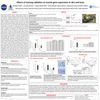
 Early changes in skin gene expression can predict later bone mass loss after radiation exposure.
 February 2026 in “Clinical Cosmetic and Investigational Dermatology”
 Low humidity changes skin gene expression, but emollients can help manage these changes.
2 citations
,
July 2024 in “Bioengineering” PRF lysates reduce inflammation in cancer cells and boost immune response in healthy oral cells.
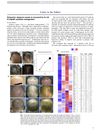 68 citations
,
November 2015 in “The Journal of Allergy and Clinical Immunology”
68 citations
,
November 2015 in “The Journal of Allergy and Clinical Immunology” Blocking IL-12/IL-23p40 helped reverse severe hair loss in patients.
 32 citations
,
December 2009 in “Archives of Dermatological Research”
32 citations
,
December 2009 in “Archives of Dermatological Research” Dihydrotestosterone increases certain inflammatory signals in skin cells, potentially contributing to acne.
 6 citations
,
March 2019 in “Dermatologic surgery”
6 citations
,
March 2019 in “Dermatologic surgery” Chilled ATPv-supplemented saline best preserves hair grafts' key genes.
January 2026 in “British Journal of Dermatology” Staphylococcus aureus affects immune responses and skin cells in atopic dermatitis, suggesting new treatment targets.

The 1550 nm fractional Er:Glass laser improved hair regrowth in patients with androgenic alopecia, but didn't significantly change collagen type I, skin fibroblasts, or macrophages. More research is needed for optimal results.
 1 citations
,
May 2025 in “Scientific Reports”
1 citations
,
May 2025 in “Scientific Reports” The study identified key genes and pathways that influence goat wool quality and growth.

Different wool coat types in goats are linked to specific gene expressions, which could improve cashmere quality.
 10 citations
,
November 2015 in “Experimental Dermatology”
10 citations
,
November 2015 in “Experimental Dermatology” Skin RAGE levels are linked to inflammation and cell death.
January 2010 in “Zhongguo xiandai yixue/Zhongguo xiandai yixue zazhi” TGF-β1 and TNF-α contribute to lung damage after radiation.
Diseased horse foot skin shows increased keratin expression, similar to wound healing in mammals.
 7 citations
,
January 2018 in “Medicinski arhiv”
7 citations
,
January 2018 in “Medicinski arhiv” A herbal extract may help treat certain types of hair loss by reducing a specific gene's activity.