 April 2017 in “Journal of Dermatological Science”
 B cells can both help and hinder the body's defense against melanoma.
 March 2017 in “Trichology and cosmetology:”
 Psoriasis treatment may affect body hair growth, with a complex relationship between skin and hair growth mechanisms.
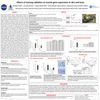 January 2017 in “NASA Technical Reports Server (NASA)”
 Early changes in skin gene expression can predict later bone mass loss after radiation exposure.
 January 2017 in “Springer eBooks”
 The document explains various skin conditions and their treatments.
Lychnophora salicifolia extract in liposomes may protect skin from UV damage and inflammation.
September 2016 in “Journal of Dermatological Science” Hair follicles produce IL-7, which is essential for certain skin lymphoma cells to survive.
 September 2016 in “Journal of Dermatological Science”
 Plasmacytoid dendritic cells, which overproduce IFN-α, may play a crucial role in starting alopecia areata, an autoimmune disease causing hair loss.
 September 2016 in “Springer eBooks”
 Fat-derived stem cells may help treat skin aging and hair loss.
 January 2016 in “Journal of Materials Chemistry B”
 Advancements in biomaterials and nanotechnology are improving medical applications like hair growth, bone regeneration, and cancer treatment.
January 2016 in “대한미용학회지” Lavender oil promotes hair growth in mice.
Atopy and altered T cell functions contribute to Alopecia Areata.
December 2015 in “아시안뷰티화장품학술지” Green tea's EGCG has various health benefits, including antioxidant properties, skin protection, cancer cell growth inhibition, anti-inflammatory effects, fat breakdown, detoxification, diabetes management, hair growth stimulation, and prevention of gum disease.
IL6 is linked to higher risk of heart disease in people with a certain mouth condition.
 October 2015 in “Regenerative Medicine”
 Two growth factors, PDGF and FGF2, can potentially be used together to grow enough cells for a hair loss treatment, but their exact function on human cells needs further confirmation.
 January 2015 in “Springer eBooks”
 Fat-derived stem cells and their secretions show promise for treating skin aging and hair loss.
January 2015 in “대한미용학회지” Sandalwood oil promotes hair growth in mice.
 March 2014 in “Journal of The American Academy of Dermatology”
 TNF-a may not be as involved in certain types of hair loss as previously thought.
January 2012 in “Detergent & Cosmetics” Cytokines play a key role in hair loss, and certain treatments may help manage androgenic alopecia.
Wound healing is complex and requires more research to enhance treatment methods.
January 2012 in “한국미용학회지” Graying hair is caused by changes in gene expression affecting cell functions.
 January 2011 in “Annals of dermatology/Annals of Dermatology”
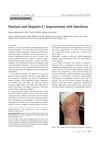
 A woman's psoriasis improved after hepatitis C treatment with interferon, despite interferon's risk of worsening skin conditions.
Rosemary oil can boost hair growth by increasing certain enzyme activities and cytokine expression.
January 2009 in “La ley penal: revista de derecho penal, procesal y penitenciario” Androgenetic alopecia is the most common hair loss, more severe in men, and best treated with a combination of hair growth promoters and antiandrogens.
January 2009 in “한방재활의학과학회지” Saengbal-eum-2 promotes hair growth and reduces inflammation in mice.
January 2008 in “Anhui nongye kexue” Mongolia sheep hair follicles grew well in a serum-free medium for 19 days.
January 2007 in “Electronic archive of the library (Vitebsk State Medical University)” Imbalance in growth factors and cytokines may contribute to hair loss in alopecia areata.
Diseased horse foot skin shows increased keratin expression, similar to wound healing in mammals.
January 2006 in “中华医学杂志:英文版” Cultured skin cells can trigger hair growth and the amount of certain proteins they produce affects their ability to regenerate hair follicles.
 October 2005 in “CRC Press eBooks”
 Telogen effluvium is a condition where hair falls out due to various factors like illness, stress, or nutrient deficiency.
July 1997 in “JEADV. Journal of the European Academy of Dermatology and Venereology/Journal of the European Academy of Dermatology and Venereology” TGF-β is found in hair follicles and may cause hair loss in alopecia areata.