65 citations
,
December 1986 in “The Journal of Clinical Endocrinology & Metabolism” The woman had a genetic condition causing high cortisol and androgen levels, treatable with dexamethasone.
 9 citations
,
November 2019 in “Scientific reports”
9 citations
,
November 2019 in “Scientific reports” The AC 2 peptide from Trapa japonica fruit helps protect hair cells and may treat hair loss.
 January 2011 in “Journal of Human Genetics”
 A Japanese patient with a rare genetic disorder had a less severe case than others, suggesting other factors may affect symptoms.
 July 2025 in “Journal of the American Academy of Dermatology”
 Hair diameter diversity helps assess hair loss, but its standard measure varies by individual and ethnicity.
 July 2025 in “International Journal of Molecular Sciences”
 Blocking CXCL12 can reverse hair loss and fibrosis in androgenetic alopecia.
27 citations
,
July 1997 in “PubMed” The harlequin ichthyosis mouse mutation causes thick skin and early death, resembling a human skin disorder.
A new genetic mutation was found causing hair and eye issues in a boy.
1 citations
,
September 2024 in “Journal of the American Academy of Dermatology” Poor air quality increases the risk of atopic dermatitis in Taiwan.
 November 2024 in “Rheumatology Advances in Practice”
 Monitor for early signs of azathioprine toxicity and check blood counts regularly.
 4 citations
,
November 2016 in “Journal of Cutaneous Pathology”
4 citations
,
November 2016 in “Journal of Cutaneous Pathology” Three characteristics of plasmacytoid dendritic cells help tell apart lupus-related hair loss from LPP.
August 2024 in “JAAD Case Reports” Upadacitinib successfully regrew hair in a child with alopecia universalis and specific genetic mutations.
 1 citations
,
January 2024 in “Curēus”
1 citations
,
January 2024 in “Curēus” Upadacitinib significantly improved a man's severe scalp condition when other treatments failed.
 November 2020 in “bioRxiv (Cold Spring Harbor Laboratory)”
 Dermal EZH2 controls skin cell growth and differentiation in mice.
15 citations
,
July 2009 in “Biomedical Chromatography” A reliable method was developed to measure aristolochic acid-I in rat blood.
5 citations
,
December 2014 in “Molecular cytogenetics” A specific genetic change is linked to mental disorders, intellectual disability, and possibly autoimmune disease in a family.
8 citations
,
January 2011 in “International journal of trichology” Accurate diagnosis of APL is crucial to avoid unnecessary treatments.
Type XVII collagen may help prevent skin aging.
79 citations
,
January 2002 in “Nucleic Acids Research” BMP-2 activates the Dlx3 gene in mouse skin cells, important for hair and skin development.
 2 citations
,
November 2015 in “Endocrinology, Diabetes & Metabolism Case Reports”
2 citations
,
November 2015 in “Endocrinology, Diabetes & Metabolism Case Reports” A man with X-ALD improved after treatment, highlighting the need to consider X-ALD in similar patients and test their relatives.
December 2024 in “Tissue and Cell” A new method helps detect androgen receptor movement in cells, aiding research on hair loss treatments.
 November 2020 in “Journal of The American Academy of Dermatology”
 The conclusion is that many small genetic variations influence claw disorders in cows, and using genomic selection could help reduce these disorders.
27 citations
,
December 2012 in “The Journal of Steroid Biochemistry and Molecular Biology” Dexamethasone may cause hair loss by stopping cell growth.
5 citations
,
August 2021 in “Journal of biological chemistry/The Journal of biological chemistry” Retinoic acid affects male and female muscle energy use and function differently.
September 2003 in “Faculty Opinions – Post-Publication Peer Review of the Biomedical Literature” GLABRA2 gene controls root-hair growth by regulating phospholipid signaling.
July 2023 in “Indian Journal of Endocrinology and Metabolism” An 11-year-old girl's hair regrew after treating her thyroid condition with carbimazole.
 5 citations
,
September 2013 in “The Journal of Dermatology”
5 citations
,
September 2013 in “The Journal of Dermatology” Researchers found a new mutation in the HR gene causing hair loss and skin bumps in a Pakistani family.
57 citations
,
July 2000 in “Toxicology Letters” K6/ODC transgenic mice are effective for quickly identifying cancer-causing chemicals.

The document's conclusion cannot be provided because the document is not readable or understandable.
20 citations
,
January 2015 in “Biochimica and biophysica acta. Molecular and cell biology of lipids” Lysophosphatidic acid affects sensory neurons and may cause neuropathic pain and itch.
 November 2025 in “SKIN The Journal of Cutaneous Medicine”
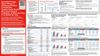
 Baricitinib works better in adolescents than adults for treating severe alopecia areata.