 82 citations
,
September 2011 in “Quality of Life Research”
82 citations
,
September 2011 in “Quality of Life Research” Choosing the right recall period for patient feedback is important for accurate data and depends on the disease, symptom changes, and patient impact.
 13 citations
,
May 2020 in “Journal of Plastic Reconstructive and Aesthetic Surgery”
13 citations
,
May 2020 in “Journal of Plastic Reconstructive and Aesthetic Surgery” Botulinum toxin's effectiveness for treating scalp alopecia is not well-supported due to insufficient data.
 7 citations
,
April 2012 in “Clinical investigation”
7 citations
,
April 2012 in “Clinical investigation” Transdermal testosterone can improve sexual desire in postmenopausal women but lacks long-term safety data and is not FDA-approved for this use.
 3 citations
,
August 2024 in “Cureus”
3 citations
,
August 2024 in “Cureus” DALL-E 2 is only accurate for acne in pediatric dermatology and needs better data for other conditions.
 2 citations
,
April 2020 in “bioRxiv (Cold Spring Harbor Laboratory)”
2 citations
,
April 2020 in “bioRxiv (Cold Spring Harbor Laboratory)” MendelVar is a tool that helps identify important genes by combining GWAS data with Mendelian disease information.
 1 citations
,
December 2013 in “Turkderm”
1 citations
,
December 2013 in “Turkderm” Use of cosmeceuticals during pregnancy and breastfeeding is not recommended due to insufficient safety data.
 1 citations
,
December 2007 in “Drug and therapeutics bulletin”
1 citations
,
December 2007 in “Drug and therapeutics bulletin” New treatments for children's scalp ringworm are recommended based on recent data.
AI models are effective for detecting alopecia areata but face challenges like explaining results and data bias.
 January 2025 in “HORMONES”
 Gender-affirming hormone treatments need better patient-focused outcome measurements and standardized data collection.
 April 2019 in “Journal of Investigative Dermatology”
 The search scheme SMRI is faster and more secure for retrieving encrypted data from the cloud.
 January 2014 in “HAL (Le Centre pour la Communication Scientifique Directe)”
 Sex hormones affect dog skin conditions, but more data is needed.
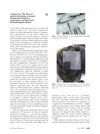 February 2021 in “Journal of The American Academy of Dermatology”
 Platelet-rich plasma therapy's effectiveness for female hair loss needs more accurate data and further examination.
April 2016 in “Dermatología Revista Mexicana” The effectiveness of APRP for hair loss is unclear due to limited data.
 85 citations
,
June 2015 in “Scientific Reports”
85 citations
,
June 2015 in “Scientific Reports” The study found that diseases can be grouped by symptoms and that the accuracy of predicting disease-related genes varies with the data source.
12 citations
,
May 2018 in “British journal of dermatology/British journal of dermatology, Supplement” Methotrexate's effectiveness for maintaining hair regrowth in alopecia totalis is unclear due to limited and biased data.
8 citations
,
January 2022 in “Journal of Experimental Orthopaedics” It's unclear if cell-based therapies from lipoaspirate devices improve clinical outcomes due to inconsistent data.
 7 citations
,
August 2019 in “Aesthetic Plastic Surgery”
7 citations
,
August 2019 in “Aesthetic Plastic Surgery” Both surgical and non-surgical hair loss treatments lack a standard treatment plan and sufficient patient satisfaction data.
 2 citations
,
September 2023 in “JMIR. Journal of medical internet research/Journal of medical internet research”
2 citations
,
September 2023 in “JMIR. Journal of medical internet research/Journal of medical internet research” Machine learning can predict symptoms and quality of life in chronic skin disease patients using smartphone app data, and shows that app use varies with patient characteristics.
 2 citations
,
March 2020 in “Plastic and Reconstructive Surgery”
2 citations
,
March 2020 in “Plastic and Reconstructive Surgery” The book provides guidelines for using PRP and microneedling in skin treatments, despite limited scientific data.
 2 citations
,
March 2020 in “Cns & Neurological Disorders-drug Targets”
2 citations
,
March 2020 in “Cns & Neurological Disorders-drug Targets” Lurasidone is effective for bipolar depression and schizophrenia, but more safety data is needed.
 1 citations
,
August 2023 in “Advanced Drug Delivery Reviews”
1 citations
,
August 2023 in “Advanced Drug Delivery Reviews” Microneedles are promising for long-acting drug delivery and can improve patient compliance, but more data is needed to confirm their effectiveness.
 1 citations
,
March 2019 in “Journal of Interdisciplinary Medicine”
1 citations
,
March 2019 in “Journal of Interdisciplinary Medicine” A patient with multiple sclerosis developed skin reactions after Daclizumab treatment, requiring more data on the drug's effects.
 September 2025 in “Dermatology and Therapy”
 Baricitinib is a promising treatment for alopecia areata in the UAE, but there are challenges with data and access.
 April 2024 in “BMC veterinary research”
 The article on the stomach-protecting effects of Cibotium barometz hair was retracted due to unreliable data.
 January 2024 in “Wiadomości Lekarskie”
 AI is transforming healthcare by improving diagnostics and therapy, despite challenges with data and trust.
 September 2022 in “Hair transplant forum international”
 JAK inhibitors like baricitinib are a new FDA-approved treatment for alopecia areata, but safety data is incomplete.
Ebola affected children less severely than adults, but better control measures and data collection are needed.
 January 2020 in “Fertility and Sterility”
 The conclusion is that it's currently unclear if certain rare medical conditions are caused by specific factors due to mostly observational data.
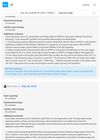
sFRP4 partially inhibits hair regeneration, but the study needs clearer data analysis and better explanation of the process.

Reviewers criticized the study's methods and suggested focusing on drug mechanisms instead of repositioning due to social media data quality concerns.