
The RNA AL136131.3 slows down hair growth and speeds up hair loss by affecting sugar breakdown in hair follicles.
 April 2023 in “The journal of investigative dermatology/Journal of investigative dermatology”
 Prostaglandin E2 helps prevent hair loss from radiotherapy by protecting hair growth cells and aiding self-repair.
 April 2023 in “The journal of investigative dermatology/Journal of investigative dermatology”
 Blocking EGFR can lead to hair loss due to inflammation and stem cell damage.
 April 2023 in “The journal of investigative dermatology/Journal of investigative dermatology”
 The protein p21 is more abundant in normal skin cells than in melanoma cells and may help protect against melanoma, with UVB light affecting its levels.
 April 2023 in “Journal of Investigative Dermatology”
 Muscle around hair follicles controls hair loss by releasing a signal that causes cell death.
March 2023 in “Asian Journal of Beauty and Cosmetology” HX109 herbal extract helps hair grow by boosting cell growth and reducing cell death.
 January 2023 in “Journal of Ravishankar University”
 Hair loss can be caused by stress, aging, and harmful substances that create an imbalance in the body's natural processes.
 September 2022 in “Frontiers in Bioengineering and Biotechnology”
 Taxifolin from Rhododendron mucronulatum may help prevent hair loss and promote hair growth.
 August 2022 in “Archives of pediatric surgery”
 Hair-Thread Tourniquet Syndrome is a rare condition where hair or thread tightly wraps around a child's body part, requiring quick treatment to prevent damage.
 July 2022 in “The journal of investigative dermatology/Journal of investigative dermatology”
 Blocking mTORC1 activity with rapamycin could help increase hair pigmentation and growth, potentially reversing gray hair.
COVID-19 may lead to severe skin necrosis without clear underlying causes, as seen in a diabetic patient who required leg amputation.
January 2022 in “Figshare” lncRNA MTC helps goat skin cells grow and may aid hair growth by controlling proteins linked to cell growth.
 September 2021 in “CRC Press eBooks”
 Lichen planopilaris causes permanent hair loss and scarring due to damage to hair follicles and can be mistaken for other hair loss conditions.
Different types of sun exposure can damage skin cells and affect healing, with chronic exposure being more harmful, and certain immune cells help in the repair process.
 May 2020 in “Research Square (Research Square)”
 Researchers found four key stages of cell development that are important for hair growth and shedding in cashmere goats.
ocu-miR-205 affects hair density in Rex rabbits by promoting cell changes that lead to more hair follicles entering resting phases.
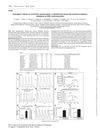 October 2019 in “European heart journal”
 Androgen-deprivation therapies increase the risk of certain heart conditions, but testosterone treatment may help.
 September 2019 in “The journal of investigative dermatology/Journal of investigative dermatology”
 Hair follicles repair 3D injuries using a 2D healing process.
 September 2019 in “Journal of Investigative Dermatology”
 Researchers developed a new method to deliver molecules to hair follicles to manage hair growth without damaging surrounding skin.
 April 2019 in “Journal of Investigative Dermatology”
 Caffeine can protect scalp hair follicles from damage caused by UV radiation.
 April 2018 in “The journal of investigative dermatology/Journal of investigative dermatology”
 Higher fluence in hair removal damages hair follicles more, while lower fluence mimics natural hair regression, with long-term IPL treatments effectively reducing hair.
 April 2018 in “The journal of investigative dermatology/Journal of investigative dermatology”
 Electrical epilation damages hair follicles and surrounding skin, likely preventing hair regrowth.
 January 2018 in “Stem cell biology and regenerative medicine”
 The conclusion is that the nuclear lamina and LINC complex in skin cells respond to mechanical signals, affecting gene expression and cell differentiation, which is important for skin health and can impact skin diseases.
April 2017 in “The journal of investigative dermatology/Journal of investigative dermatology” Researchers found that certain miRNAs, which affect immune system regulation, are differently expressed in mice with a hair loss condition compared to healthy mice.
 February 2017 in “International Journal on Advanced Science, Engineering and Information Technology”
 Human hair follicle stem cells can grow and turn into skin cells on chitosan templates, which may help in regenerative medicine.
 August 2016 in “Journal of Investigative Dermatology”
 Different levels of microRNAs in different parts of the scalp can cause male pattern baldness.
 May 2016 in “Research opinions in animal & veterinary sciences”
 Maternal aspartame consumption during pregnancy leads to skin damage and higher apoptosis in newborn rat offspring.
 April 2016 in “Journal of Investigative Dermatology”
 Mefloquine, an antimalarial drug, is effective in killing melanoma cells resistant to other treatments by causing lethal stress in the cells.
 August 2015 in “Free Radical Biology and Medicine”
 The study suggests that higher levels of SIRT1 and SIRT2 may improve overall cell health and aging processes.
 May 2015 in “Cancer Research”
 A new treatment may prevent hair loss from chemotherapy by normalizing scalp cell death and reducing inflammation.