January 2006 in “Chinese Journal of Aesthetic Medicine” The new artificial derma is better for skin regeneration and biocompatibility.
1 citations
,
October 2019 in “International Journal of Dermatology and Venereology” Zebrafish help understand genetic causes of skin pigment disorders like albinism.
 April 2018 in “Journal of Investigative Dermatology”
 The keratin network in mouse skin changes during cornification and affects the skin's protective barrier.
 23 citations
,
January 1997 in “Computers and Composition”
23 citations
,
January 1997 in “Computers and Composition” To stop online sexism, both men and women need to change how they act.
87 citations
,
March 2017 in “Journal of Clinical Investigation” PSENEN gene mutations can cause both Dowling-Degos disease and acne inversa.
198 citations
,
January 1998 in “Dermatology” The human sebocyte culture model has improved understanding of oily skin and acne, and how they can be treated.
 5 citations
,
September 2015 in “BMC Medical Genetics”
5 citations
,
September 2015 in “BMC Medical Genetics” The EDAR gene mutation leads to thinner and more deformed hair shafts.
 February 2026 in “Journal of Aesthetic Medicine”
 Combining different treatments like fillers, collagen stimulators, botulinum toxin, and energy devices gives better facial rejuvenation results.
 January 2025 in “KeiO Associated Repository of Academic Resources (Keio University)”
 Stronger regulations and protections are needed for digital platforms to ensure safety and fairness in health, education, and labor.
 February 2020 in “International Journal of Research in Dermatology”
 EPDS is a rare, chronic scalp condition that's hard to treat and needs better awareness for improved outcomes.
16 citations
,
November 2017 in “British Journal of Dermatology” Cells in hair die by breaking down their DNA and mitochondria as they form keratin.
8 citations
,
January 2019 in “JAAD Case Reports” EPDS can cause recurring scalp sores and hair loss if not treated.
 November 2022 in “PubMed”
 Deep dermal tissue dislocation injury in pigs leads to thicker fibrotic tissue and increased type III collagen, affecting skin repair.
Finasteride treatment increased blood volume and reduced vessel leakiness in beagle prostates.
 153 citations
,
November 2004 in “Current Medicinal Chemistry”
153 citations
,
November 2004 in “Current Medicinal Chemistry” The document concludes that Catalyst software is effective for drug design, identifying potent compounds for various medical conditions.
 April 2026 in “Zenodo (CERN European Organization for Nuclear Research)”
 Post-Exposure Syndromes are persistent conditions caused by past exposures, needing unique interventions.
 April 2015 in “Experimental Dermatology”
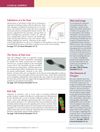
 Melanoma risk tools need improvement, certain gene mutations cause skin diseases and could be treated by targeting those mutations, skin wrinkling may relate to lung aging due to genetic factors, and oxidative stress affects hair loss but can be reduced in low oxygen.
4 citations
,
July 2023 in “Experimental Dermatology” Fat grafting reduces scar fibrosis but may slow skin healing.
 16 citations
,
March 2019 in “Experimental dermatology”
16 citations
,
March 2019 in “Experimental dermatology” Injury changes how hair follicle stem cells behave, depending on the hair growth stage.
 April 2023 in “The journal of investigative dermatology/Journal of investigative dermatology”
 SETDB1 is essential for controlling DNA methylation, silencing retrotransposons, and maintaining skin cell health, with its absence leading to skin inflammation and hair loss.
 19 citations
,
April 2015 in “Developmental Dynamics”
19 citations
,
April 2015 in “Developmental Dynamics” The conclusion is that skin and hair patterns are formed by a mix of cell activities, molecular signals, and environmental factors.
July 2026 in “Journal of Reproductive and Infant Psychology” Postpartum mothers need better support and guidance to improve body confidence and wellbeing.
 December 2022 in “Research Square (Research Square)”
 The document concludes that an automatic system using deep learning can help diagnose skin disorders, but challenges and opportunities in this area remain.
 April 2026 in “Zenodo (CERN European Organization for Nuclear Research)”
 Post-exposure syndromes are persistent conditions caused by past exposures, needing unique interventions.
 42 citations
,
July 2010 in “International Journal of Dermatology”
42 citations
,
July 2010 in “International Journal of Dermatology” Dermatoscopy and videodermatoscopy are useful and reliable for tracking treatment progress in various skin conditions.
 1 citations
,
January 2020 in “bioRxiv (Cold Spring Harbor Laboratory)”
1 citations
,
January 2020 in “bioRxiv (Cold Spring Harbor Laboratory)” Dicer is crucial for hair growth in mice.
60 citations
,
June 2007 in “Pharmacology Biochemistry and Behavior” Blocking progesterone metabolism can cause depression-like behavior in mice.
January 2026 in “SSRN Electronic Journal” 1 citations
,
January 2022 in “Skin appendage disorders” DCPA is a chronic skin condition affecting the legs, often misdiagnosed, and needs more research for better understanding and treatment.
 1 citations
,
January 2009 in “Elsevier eBooks”
1 citations
,
January 2009 in “Elsevier eBooks” Anorexia Nervosa and Bulimia Nervosa are complex eating disorders with increasing incidence among young females, significant morbidity, and varying mortality rates, requiring more research for better treatment.