 16 citations
,
January 2015 in “Current problems in dermatology”
16 citations
,
January 2015 in “Current problems in dermatology” Alopecia Areata is an autoimmune hair loss condition that needs more research for better treatments.
 16 citations
,
December 2006 in “Expert Review of Dermatology”
16 citations
,
December 2006 in “Expert Review of Dermatology” Hair follicles are essential for skin health, aiding in hair growth, wound healing, and immune function.
 13 citations
,
June 2010 in “Journal of dermatological treatment”
13 citations
,
June 2010 in “Journal of dermatological treatment” Diphencyprone is effective for treating patchy hair loss in alopecia areata, but tacrolimus is not.
 11 citations
,
June 2022 in “Frontiers in immunology”
11 citations
,
June 2022 in “Frontiers in immunology” New protein changes may be involved in the immune attack on hair follicles in alopecia areata.
 11 citations
,
September 2014 in “International Journal of Molecular Sciences”
11 citations
,
September 2014 in “International Journal of Molecular Sciences” Mycophenolate helps reverse hair loss effects caused by IFN-γ by activating a key hair growth pathway.
 11 citations
,
November 2012 in “Seminars in Cutaneous Medicine and Surgery”
11 citations
,
November 2012 in “Seminars in Cutaneous Medicine and Surgery” Genetic factors affect hair loss, and molecular testing may help predict, diagnose, and treat it.
 10 citations
,
April 2016 in “Research and reports in transdermal drug delivery”
10 citations
,
April 2016 in “Research and reports in transdermal drug delivery” Transfollicular drug delivery is promising but needs more research to improve and understand it better.
 10 citations
,
March 2014 in “Scandinavian journal of clinical and laboratory investigation”
10 citations
,
March 2014 in “Scandinavian journal of clinical and laboratory investigation” Malondialdehyde-modified DNA may trigger an immune response in alopecia areata patients.
 10 citations
,
January 2013 in “Faṣlnāmah-i bīmārīhā-yi pūst”
10 citations
,
January 2013 in “Faṣlnāmah-i bīmārīhā-yi pūst” Vitamin D levels are not linked to alopecia areata.
 6 citations
,
January 2016 in “Springer eBooks”
6 citations
,
January 2016 in “Springer eBooks” Invasomes effectively deliver drugs through the skin and have potential for improved treatments.
 1 citations
,
March 2025 in “Frontiers in Physiology”
1 citations
,
March 2025 in “Frontiers in Physiology” Methotrexate, resveratrol, and curcumin may help treat alopecia areata by targeting immune cells.
 January 2026 in “International Research Journal of Modernization in Engineering Technology and Science”
 Alopecia areata causes patchy hair loss and is often treated with corticosteroids.
 November 2025 in “International Journal of Recent Innovations in Medicine and Clinical Research”
 Understanding different types of hair loss helps in accurate diagnosis and treatment.
 December 2021 in “Research Square (Research Square)”
 M-CSF-stimulated myeloid cells can cause alopecia areata in mice.
 October 2021 in “Rheumatology Science and Practice”
 TNF-α inhibitors may cause complete hair loss in some patients with ankylosing spondylitis.
 January 2020 in “Der Pharmacia Lettre”
 Nanoparticle-based herbal remedies could be promising for treating hair loss with fewer side effects and lower cost, but more research is needed.
 May 2018 in “White Rose eTheses Online (University of Leeds, The University of Sheffield, University of York)”
 Alopecia areata may be treated by using EGCG to balance immune cells and reduce inflammation.

Accurate diagnosis of cicatricial alopecias requires thorough scalp examination and multiple biopsy techniques.
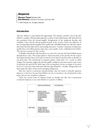 January 2007 in “Elsevier eBooks”
 Alopecia areata is a reversible, autoimmune-related hair loss that can have significant emotional impact and uncertain treatment effectiveness.
 1 citations
,
February 2021 in “Journal of Natural Remedies”
1 citations
,
February 2021 in “Journal of Natural Remedies” Ficus religiosa and Morus alba extracts improved hair growth and follicle regeneration in mice.
54 citations
,
September 2012 in “The journal of investigative dermatology/Journal of investigative dermatology” Vitamin A affects hair loss and immune response in alopecia areata.
1 citations
,
August 2005 in “Springer eBooks” Alopecia areata is an autoimmune disease with genetic links, treatable with certain medications, and can affect mental health.
4 citations
,
November 2025 in “Nature Reviews Disease Primers” January 2020 in “Indian Journal of Pharmaceutical Sciences” Natural products show promise for new hair loss treatments.
57 citations
,
August 2023 in “American Journal of Clinical Dermatology” JAK inhibitors and platelet-rich plasma show promise for treating alopecia areata.
 45 citations
,
April 2019 in “International Immunology”
45 citations
,
April 2019 in “International Immunology” The study concluded that immune cells attacking hair follicles cause hair loss in alopecia, with genetics and environment also playing a role, and highlighted the potential of certain treatments.
19 citations
,
July 2020 in “EBioMedicine” A gene variant increases the risk of a type of hair loss by affecting hair protein production.
October 2024 in “Frontiers in Immunology” Pertussis toxin may contribute to hair loss in alopecia areata.
286 citations
,
August 2007 in “Journal of Clinical Investigation” Alopecia areata is an autoimmune disease where T cells attack hair follicles.
148 citations
,
September 2003 in “Journal of Investigative Dermatology Symposium Proceedings” Alopecia areata is an autoimmune disorder causing hair loss, linked to specific hair follicle antigens and genetic factors.