195 citations
,
December 2009 in “Journal of Investigative Dermatology” Free fatty acids in sebum boost skin's defense against acne by increasing antimicrobial peptides.
 39 citations
,
October 2013 in “Plastic and Reconstructive Surgery”
39 citations
,
October 2013 in “Plastic and Reconstructive Surgery” Human alpha defensin 5 helps heal wounds, reduce bacteria, and grow hair on burned skin.
 1 citations
,
January 2020 in “Benha Journal of Applied Sciences”
1 citations
,
January 2020 in “Benha Journal of Applied Sciences” Certain gene variations may increase the risk and severity of alopecia areata.
1 citations
,
December 2012 in “Papers on Anthropology” Certain proteins and cytokines are key in causing psoriatic skin issues.
 7 citations
,
July 2019 in “The Journal of Dermatology”
7 citations
,
July 2019 in “The Journal of Dermatology” Terbinafine effectively treated kerion celsi despite disrupted immune responses.
 October 2022 in “Benha Journal of Applied Sciences”
 Human Beta Defensin 1 levels do not predict the risk or severity of Alopecia Areata.
Female rats showed more panic-related behavior than males, influenced by hormonal cycles and certain drugs.
25 citations
,
November 2015 in “Journal of Dermatological Science” Sebum helps protect human skin from microbes.
 23 citations
,
August 2018 in “Facial Plastic Surgery Clinics of North America”
23 citations
,
August 2018 in “Facial Plastic Surgery Clinics of North America” Using defensins to activate stem cells may improve skin aging signs without causing inflammation.
1 citations
,
January 2010 in “Acta Chirurgica Latviensis” Inflammation in psoriasis may trigger antimicrobial peptides and cell death.
 10 citations
,
November 2015 in “American Journal of Primatology”
10 citations
,
November 2015 in “American Journal of Primatology” Monkeys with more anxious or inhibited temperaments tend to have less hair loss.
 78 citations
,
October 2020 in “Experimental Dermatology”
78 citations
,
October 2020 in “Experimental Dermatology” Hidradenitis suppurativa is caused by genetic factors, inflammation, bacteria, hormones, and lifestyle factors like obesity and smoking.
10 citations
,
November 2009 in “Pigment cell & melanoma research” The document concludes that MGRN1 affects mouse fur color by interfering with a receptor's signaling, but its full role in the body is still unknown.
 November 2022 in “Journal of Investigative Dermatology”
 Patients with ichthyosis often experience symptoms similar to psoriasis and atopic dermatitis, suggesting that targeted therapies could improve their condition.
 July 2016 in “Experimental Dermatology”
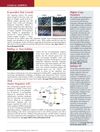
 New treatments for hair growth and psoriasis may be possible, and gene differences could affect baldness and the severity of skin conditions.
 July 2016 in “Journal of Investigative Dermatology”
 R-spondin2 may help treat hair loss, gene differences could explain baldness, a peptide's regulation is linked to psoriasis, B-defensin gene copies may affect a skin condition's risk and severity, and potential markers and targets for alopecia areata were identified.
December 2008 in “Annales de Dermatologie et de Vénéréologie” Recent dermatological research highlights include new virus discoveries, genetic links to skin conditions, and insights into skin healing and pigmentation.
3 citations
,
September 2016 in “Clinical, cosmetic and investigational dermatology” Sphinganine can reduce hair loss and improve scalp health.
 January 2016 in “Journal of Investigative Dermatology”
 Some cells may slow melanoma growth, a protein could affect skin pigmentation, a gene-silencing method might treat hair defects, skin bacteria changes likely result from eczema, and a defensin protein could help treat multiple sclerosis.
 March 2026 in “Zenodo (CERN European Organization for Nuclear Research)”
 Restoring cell communication can treat tissue disorders.
 March 2026 in “Zenodo (CERN European Organization for Nuclear Research)”
 Restoring cell communication can treat tissue disorders.
 March 2026 in “Zenodo (CERN European Organization for Nuclear Research)”
 Restoring communication in hair follicle networks may treat hair loss and improve sexual dysfunction.
69 citations
,
January 2021 in “Journal of Biological Chemistry” Plant-derived amino acids can help develop new antimicrobial drugs.
 January 2016 in “Experimental Dermatology”
 New findings suggest potential treatments for melanoma, hyperpigmentation, hair defects, and multiple sclerosis, and show skin microbiome changes don't cause atopic dermatitis.
 610 citations
,
April 2014 in “Nature Reviews Immunology”
610 citations
,
April 2014 in “Nature Reviews Immunology” The document concludes that understanding how the skin's immune system and inflammation work is complex and requires more research to improve treatments for skin diseases.
 35 citations
,
June 2005 in “The Milbank Quarterly”
35 citations
,
June 2005 in “The Milbank Quarterly” The conclusion is that formalizing how past decisions influence current health technology assessments could improve the credibility and defense of coverage decisions.
 3 citations
,
March 2000 in “The American Journal of Cosmetic Surgery”
3 citations
,
March 2000 in “The American Journal of Cosmetic Surgery” A surgeon is defined by their ability to operate, not just formal training, and dermatologists can safely perform cosmetic surgeries.
November 2022 in “Munich Personal RePEc Archive (Ludwig Maximilian University of Munich)” Phosphatidylinositol 4-kinases are crucial for root growth, defense, and immunity in Arabidopsis thaliana.
 306 citations
,
April 2019 in “International Journal of Molecular Sciences”
306 citations
,
April 2019 in “International Journal of Molecular Sciences” The skin has a complex immune system that is essential for protection and healing, requiring more research for better wound treatment.
2 citations
,
January 2001 in “Medical Journal of National Defending Forces in Northwest China” Endogenous EGF helps heal second-degree scald wounds faster.