 20 citations
,
December 2011 in “Journal of inherited metabolic disease”
20 citations
,
December 2011 in “Journal of inherited metabolic disease” Valproic acid treatment increases a specific acid in urine by blocking an enzyme, possibly causing skin rash and hair loss.
5 citations
,
May 2025 in “Chemical and Biological Technologies in Agriculture” Humic acids enhance plant growth by improving root development and photobiology.
4 citations
,
May 2018 in “European journal of dermatology/EJD. European journal of dermatology” Fumaric acid esters might help treat alopecia areata, but more research is needed.
94 citations
,
July 1991 in “Clinical endocrinology” Cyproterone acetate at 2mg daily is as effective as higher doses for treating excessive hair growth in women.
 19 citations
,
March 1961 in “Nature”
19 citations
,
March 1961 in “Nature” A fatty acid/protein complex in human hair helps protect it from damage.
 May 2026 in “BMC Medicine”
 ACOD1 deficiency worsens hair loss by causing cell aging and mitochondrial problems, but 4-OI may help.
 1 citations
,
January 2025 in “RSC Advances”
1 citations
,
January 2025 in “RSC Advances” Ascorbic acid derivatives improve drug delivery systems.
 February 2025 in “International Journal of Cosmetic Science”
 A new amino acid derivative, ATS, improves hair texture and moisture, making it easier to straighten curly hair.
 4 citations
,
December 2018 in “Macedonian Journal of Chemistry and Chemical Engineering”
4 citations
,
December 2018 in “Macedonian Journal of Chemistry and Chemical Engineering” A new method accurately measures amino acids in treated hair, showing bleaching reduces amino acids while protein treatments increase them.
 1 citations
,
April 2021 in “Han'gug miyong haghoeji/Journal of the Korean society of cosmetology”
1 citations
,
April 2021 in “Han'gug miyong haghoeji/Journal of the Korean society of cosmetology” Aspartic acid at 0.75% makes perms more effective and less damaging to hair.
 August 2023 in “Journal of Investigative Dermatology”
 Ganoderma lucidum extract and its component, ganoderic acid A, may effectively prevent hair loss.
 32 citations
,
June 2013 in “Journal of Investigative Dermatology”
32 citations
,
June 2013 in “Journal of Investigative Dermatology” Mice without certain skin proteins had abnormal skin and hair development.
 January 2011 in “Journal of Society of Cosmetic Chemists of Japan”
 18-MEA and SPDA can restore damaged hair's smoothness and reduce frizz.
April 2026 in “Trends in Sciences” Acanthus ebracteatus extract in a microemulsion can promote hair growth and is stable for use as a hair tonic.

The document's conclusion cannot be provided because the document is not available or cannot be read.
13 citations
,
January 1997 in “Biochemical Pharmacology” Human liver enzyme DHEA ST helps process minoxidil.
 24 citations
,
July 2022 in “Journal of Applied Pharmaceutical Science”
24 citations
,
July 2022 in “Journal of Applied Pharmaceutical Science” Optimizing production conditions can improve hyaluronic acid's effectiveness and cost in cosmetics and therapy.
 20 citations
,
March 2020 in “International Journal of Biological Macromolecules”
20 citations
,
March 2020 in “International Journal of Biological Macromolecules” Lower acetylation makes chitin nanofibers thinner and more suitable for various uses.
 8 citations
,
July 2018 in “Analytical sciences”
8 citations
,
July 2018 in “Analytical sciences” Using 5-butylpicolinate esters improves the sensitivity and reliability of detecting testosterone and dihydrotestosterone in saliva.
 232 citations
,
June 1975 in “Journal of Steroid Biochemistry”
232 citations
,
June 1975 in “Journal of Steroid Biochemistry” Cyproterone acetate is effective for acne but less so for hirsutism and alopecia, with some side effects and quick menstrual cycle recovery after treatment.
 4 citations
,
October 1988 in “Clinics in Dermatology”
4 citations
,
October 1988 in “Clinics in Dermatology” Dihydrotestosterone (DHT) is crucial for conditions like male-pattern baldness and acne, and measuring a byproduct, androstanediol glucuronide, is a better way to assess DHT's effects than DHT blood levels.
6 citations
,
November 1977 in “International Journal of Legal Medicine” Human hair contains a substance that shows blood group A activity.
 4 citations
,
November 1968 in “Textile research journal”
4 citations
,
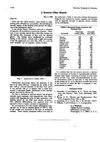
November 1968 in “Textile research journal” Hair fibers may have a unique, non-protein sheath not previously identified.
1 citations
,
August 2016 DHA derivatives, especially didocosahexaenoin, effectively kill prostate cancer cells and may offer a safer cancer treatment option.
 2 citations
,
December 2008 in “Journal of Chemical Crystallography”
2 citations
,
December 2008 in “Journal of Chemical Crystallography” The research shows that hydrogen bonds greatly affect the crystal structure of a Finasteride derivative.

A rigid compound with a common structural motif was successfully synthesized.
2 citations
,
November 1978 in “JAMA” Valproic acid is an effective seizure medication with some temporary side effects.
5 citations
,
February 2021 in “Gels” HYDRO DELUXE BIO hyaluronic acid hydrogel is compatible with skin cells, may reduce inflammation, promote blood vessel growth, and protect against oxidative stress, suggesting it could help revitalize hair follicles.
 4 citations
,
April 2018 in “Journal of Investigative Dermatology”
4 citations
,
April 2018 in “Journal of Investigative Dermatology” Hydroxypinacolone retinoate is a potent anti-aging ingredient for skin that is more effective and less irritating than other forms of retinoids.
 January 2021 in “Journal of cosmetology & trichology”
 L-(+)-Tartaric Acid may help increase certain hair growth genes without harming cells.