 4 citations
,
March 2002 in “International journal of toxicology”
4 citations
,
March 2002 in “International journal of toxicology” LAAM caused developmental toxicity in tolerant rats without causing birth defects.
 9 citations
,
November 2012 in “Biomolecules & therapeutics”
9 citations
,
November 2012 in “Biomolecules & therapeutics” A compound from brown algae boosts the production of a certain inflammatory substance in skin cells.
35 citations
,
April 2009 in “Journal of Neuroscience Research” HDAC inhibitors help brain cells grow and improve brain function.
18 citations
,
December 2005 in “Journal of Medicinal Chemistry” A brominated phenoxy compound effectively inhibits a human enzyme and shows potential for clinical use.
 14 citations
,
April 2019 in “Saudi pharmaceutical journal”
14 citations
,
April 2019 in “Saudi pharmaceutical journal” Microparticles help caffeic acid stay longer in hair follicles for better treatment of folliculitis.
49 citations
,
July 1994 in “British journal of dermatology/British journal of dermatology, Supplement” Some children with methylmalonic and propionic acidaemias have skin problems related to their condition and diet.
 September 2017 in “Journal of Investigative Dermatology”
 HIF-1A may aid hair growth, Backhousia citriodora improves skin, autologous cells stabilize hair loss, infrared thermography assesses alopecia, and a new treatment preserves hair.
 January 2026 in “Applied Biological Chemistry”
 Ishophloroglucin A from Ishige okamurae may be a natural alternative for treating hair loss by inhibiting 5α-reductase and promoting hair growth.
 46 citations
,
May 2009 in “Maturitas”
46 citations
,
May 2009 in “Maturitas” Taking DHEA for a year is generally safe for postmenopausal women but may cause acne and more facial hair without improving metabolism or aging.
January 2010 in “Laboratory animal science” The capsules effectively reduced micro-acne in rabbit ears.
 13 citations
,
November 2010 in “Experimental Dermatology”
13 citations
,
November 2010 in “Experimental Dermatology” Vitamin C derivative reduces hair loss-related protein in cells.
30 citations
,
February 1996 in “Journal of Investigative Dermatology” January 2002 in “Medical archives (Sarajevo, Bosnia and Herzegovina)” Herbal extract may help treat certain types of hair loss.
1 citations
,
September 2024 in “Journal of the American Academy of Dermatology” Farudodstat may effectively treat alopecia areata without harmful side effects.
 January 2017 in “Rasayan journal of Chemistry”
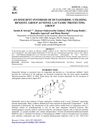
 Researchers created a new, efficient way to make Dutasteride, a hair loss and prostate drug, with high purity using a benzoyl group.
 13 citations
,
January 2017 in “Chemical & Pharmaceutical Bulletin”
13 citations
,
January 2017 in “Chemical & Pharmaceutical Bulletin” Certain compounds, especially those with a propionic substituent, could potentially be new treatments for hair loss and similar disorders.
January 2013 in “วารสารเภสัชศาสตร์อีสาน (Isan Journal of Pharmaceutical Sciences, IJPS)” Mangosteen peel extract effectively inhibits acne-causing bacteria.
195 citations
,
December 2009 in “Journal of Investigative Dermatology” Free fatty acids in sebum boost skin's defense against acne by increasing antimicrobial peptides.
 December 2025 in “Molecules”
 DPP may help hair regrowth by improving blood vessel function under stress.
16 citations
,
March 2022 in “Clinica Chimica Acta” Idiopathic hirsutism may be linked to increased enzyme activity.
21 citations
,
November 2015 in “Phytomedicine” Glycyrrhizic acid may help reduce unwanted hair growth.
April 2022 in “Dermatologic Therapy” Diode laser treatment works better for facial hirsutism in patients with normal hormone levels.
 September 2017 in “Journal of Investigative Dermatology”
 The research concluded that hyaluronic acid affects the formation and growth of hair follicle-like structures in a lab setting.
 27 citations
,
December 2015 in “Clinical and Experimental Dermatology”
27 citations
,
December 2015 in “Clinical and Experimental Dermatology” Diphencyprone helped most patients with alopecia areata regrow some hair.
26 citations
,
April 2022 in “Evidence-based Complementary and Alternative Medicine” Anethole reduces inflammation and oxidative stress in colitis.
 1 citations
,
June 2018 in “JAMA Dermatology”
1 citations
,
June 2018 in “JAMA Dermatology” Vitamin C was found to effectively treat prickly heat in children.
 29 citations
,
January 2016 in “Annals of dermatology/Annals of Dermatology”
29 citations
,
January 2016 in “Annals of dermatology/Annals of Dermatology” Arachidonic acid helps hair grow by increasing growth factors and improving follicle health.
1 citations
,
July 2020 in “Acta Neuropsychologica” Valproic acid effectively reduces aggressive and impulsive behaviors in brain injury patients with acceptable side effects.
 January 1981 in “The Journal of Toxicological Sciences”
 Hydrocortisone 17-butyrate 21-propionate ointment caused reversible side effects like skin issues, weight gain, and organ changes in dogs.
Cyproterone acetate is an effective treatment for women with acne, hair loss, and excessive hair growth.