 November 2021 in “Khyber Medical University Journal”
 A rare ovarian tumor caused a postmenopausal woman to develop male-like features, which improved after surgery.
 October 2021 in “Turkderm”
 Hormonal imbalances, not insulin resistance or dyslipidemia, may be more important in causing acne in women over 25.
 September 2021 in “International Journal of Biomedicine”
 Certain gene variations are linked to a higher risk of severe acne, suggesting a genetic influence on the condition.
 January 2021 in “Revista Dermatológica Centro Uraga”
 Endocrinological evaluation is crucial for properly diagnosing and treating acne.
 November 2020 in “Elsevier eBooks”
 Antiandrogens and androgen inhibitors like spironolactone, finasteride, and dutasteride can treat hair loss and skin conditions, but they have risks and side effects, including potential harm to pregnant women and risks of cancer and heart issues. Herbal remedies also have antiandrogenic effects but lack safety validation.
 January 2020 in “Journal of South Asian Federation of Obstetrics and Gynaecology”
 Removing the ovaries can help treat hair loss caused by high androgen levels in postmenopausal women.
 January 2019 in “ARC journal of pharmaceutical sciences”
 Acne can be managed with various treatments and requires psychological support due to its emotional impact.
Early NAS level changes affect alcohol consumption vulnerability.
Hormones, especially testosterone and DHT, are key for penis development and function, and testosterone therapy may help with erectile dysfunction in those with low levels.
 April 2017 in “Journal of evolution of medical and dental sciences”
 Most women with excess hair growth had Polycystic Ovary Syndrome, and severity wasn't linked to hormone levels.
 January 2017 in “Springer eBooks”
 The document explains various skin conditions and their treatments.
 December 2016 in “Springer eBooks”
 Chrousos Syndrome is caused by mutations that make the body less sensitive to glucocorticoids, leading to various symptoms and requiring high-dose treatment.
 January 2016 in “Journal of SAFOG”
 Girls with PCOS and menstrual disorders have notably higher androgen hormone levels.
 January 2016 in “Springer eBooks”
 Pubertal acne is linked to hormonal changes, affects quality of life, and is treated similarly to adult acne.
 December 2015 in “Вестник дерматологии и венерологии”
 Men with male pattern baldness may not have different hormone levels, but their hair follicles are likely more sensitive to hormones.
 October 2015 in “Elsevier eBooks”
 Spironolactone can cause side effects like high potassium levels and breast enlargement, and patients need careful monitoring.
 July 2015 in “Cambridge University Press eBooks”
 The document concludes that treatments for female hair loss and excess body hair are available, but managing expectations is important.
 November 2014 in “Elsevier eBooks”
 Gene mutations can cause problems in male genital development.
 November 2014 in “John Wiley & Sons, Ltd eBooks”
 Eating high-glycemic and dairy foods can increase hormones that may cause acne and other health issues.
 April 2014 in “Journal of evolution of medical and dental sciences”
 Women over forty can maintain skin and hair health with lifestyle and dietary changes.
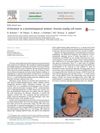 January 2014 in “European Geriatric Medicine”
 A postmenopausal woman's virilization was caused by a rare ovarian tumor that was hard to detect but was successfully treated with surgery.
Counterfeit drugs for bodybuilders often contain incorrect or contaminated ingredients and look like real products.
 October 2011 in “Iranian Journal of Dermatology”
 Men with male pattern baldness may have a higher risk of heart disease due to increased levels of a specific lipid in their blood.
 January 2011 in “Yearbook of Dermatology and Dermatologic Surgery”
 The adapalene-benzoyl peroxide gel works better and faster for acne treatment than using either ingredient alone, with manageable side effects.
 October 2007 in “Postgraduate obstetrics & gynecology”
 Testosterone therapy can help with androgen deficiency in women but should be used with caution and monitoring due to potential risks.
 October 2007 in “Postgraduate obstetrics & gynecology”
 Testosterone therapy can help postmenopausal women with low sexual desire but needs more safety research and should be used with estrogen therapy.
 April 2006 in “Current Opinion in Endocrinology & Diabetes”
 Testosterone therapy can help improve sexual function, mood, and bone density in women with low androgen levels, but more research is needed on long-term safety.
 July 1998 in “Chromatographia”
 Women with effluvium have higher levels of certain urinary steroids, possibly due to stress and increased adrenal activity.
 September 1997 in “Journal of the European Academy of Dermatology and Venereology”
 Hirsute women with ovarian-sourced hirsutism are more likely to have irregular periods, with higher BMI and altered hormone ratios.
 September 1997 in “Journal of the European Academy of Dermatology and Venereology”
 People with acne have more CD4+ immune cells in their skin than healthy people.