Visible lesions are not always needed to diagnose tinea capitis.
 14 citations
,
August 2018 in “Frontiers in Cellular and Infection Microbiology”
14 citations
,
August 2018 in “Frontiers in Cellular and Infection Microbiology” Dengue virus can infect human hair follicle cells and may cause hair loss.
4 citations
,
January 2017 in “Journal of veterinary medical science” A dog had a rare skin tumor called desmoplastic tricholemmoma.
14 citations
,
May 1979 in “International Journal of Dermatology” Trichostasis spinulosa mainly affects the nose, with many tiny hairs in one follicle, possibly influenced by hormones and sunlight.
August 2025 in “Indian Dermatology Online Journal” Early recognition and treatment of EPDS are crucial to prevent permanent hair loss.
January 2022 in “The Pan African medical journal” Hypertrichosis causes excessive hair growth and needs psychological support due to its impact on self-esteem.
1 citations
,
April 2016 in “Journal of Investigative Dermatology” Zinc deficiency causes reversible hair loss by disrupting hair growth and stem cell function.
6 citations
,
March 1975 in “The Journal of Dermatology” Ringworm from Trichophyton verrucosum mainly affects farm workers in Japan, spreading in families and peaking in winter.
 112 citations
,
July 2008 in “Dermatologic Therapy”
112 citations
,
July 2008 in “Dermatologic Therapy” Folliculitis decalvans is a rare scalp condition causing scarring hair loss, treated with long-term antibiotics and other medications, but it often comes back and is hard to manage.
97 citations
,
March 2006 in “Journal of Investigative Dermatology” Mutations in the DSG4 gene cause a severe form of brittle hair and skin issues.
 January 2018 in “Advances in Dermatology and Allergology”
 Treatment with dapsone, topical corticosteroids, and antibiotics improved the man's skin conditions.
24 citations
,
November 2003 in “Australasian Journal of Dermatology” A rare skin cancer caused hair loss and spread, needing multiple treatments.
10 citations
,
July 2000 in “PubMed” High calcium in their diet caused zinc deficiency in the goats.
 5 citations
,
February 2019 in “PloS one”
5 citations
,
February 2019 in “PloS one” Bald thigh syndrome in sighthounds is caused by structural defects in hair shafts due to downregulated genes and proteins.
 7 citations
,
January 2003 in “Nippon Ishinkin Gakkai Zasshi”
7 citations
,
January 2003 in “Nippon Ishinkin Gakkai Zasshi” The girl's scalp infection healed well with terbinafine treatment.
44 citations
,
January 1999 in “Dermatology” Nevus comedonicus is a rare skin condition with grouped open pores, sometimes linked to other body issues.
 September 2023 in “Cosmoderma”
 Early diagnosis and treatment of favus can prevent permanent hair loss.
6 citations
,
March 2005 in “Journal of the American Academy of Dermatology” Follicular dystrophy in immunocompromised patients may be linked to medication or viral factors and can improve with treatment changes.
 2 citations
,
January 2017 in “PubMed”
2 citations
,
January 2017 in “PubMed” Hair casts are harmless but can be mistaken for head lice.
 2 citations
,
June 2012 in “Dermatologica Sinica”
2 citations
,
June 2012 in “Dermatologica Sinica” Dermoscopy is useful for diagnosing and monitoring discoid lupus erythematosus by showing specific skin patterns.
 21 citations
,
February 2009 in “Journal of the American Academy of Dermatology”
21 citations
,
February 2009 in “Journal of the American Academy of Dermatology” Some cases of tinea capitis, a fungal scalp infection, can look like scarring hair loss due to the body's immune response and the fungus itself.
72 citations
,
September 1997 in “Journal of Investigative Dermatology”  29 citations
,
January 2004 in “Experimental Dermatology”
29 citations
,
January 2004 in “Experimental Dermatology” Topical anthralin helped regrow hair in mice with a condition similar to human alopecia.
 March 2012 in “Journal of The American Academy of Dermatology”
 Temporal triangular alopecia usually starts in early childhood and treatment with Minoxidil has limited effectiveness.
20 citations
,
August 1979 in “PubMed” Adding zinc to marmosets' water improved their health, indicating their diet lacked enough zinc.
35 citations
,
May 2006 in “Journal of Investigative Dermatology” Monilethrix involves multiple genes affecting hair structure, including DSG4 mutations.
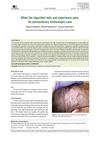 January 2026 in “Forum Dermatologicum”
 Thorough hair examination is crucial for accurate diagnosis and treatment.
 January 2023 in “Pesquisa Veterinária Brasileira”
 A KRT71 mutation in Hereford cattle in Uruguay causes thin, curly hair and scaly skin.
January 2025 in “LUMEN ET VIRTUS” Orchiectomy and melatonin helped a German Spitz regrow hair lost due to alopecia X.
 January 2011 in “Elsevier eBooks”
 Alopecia in animals can be hereditary, congenital, or acquired, with treatments and outcomes varying widely.