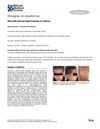
September 2024 in “Dermatology Online Journal” Facial hair growth from minoxidil stopped after she quit using it.
 October 2025 in “Indian Dermatology Online Journal”
 Trichoscopy helped correctly diagnose and treat a scalp and eyebrow fungal infection.
 12 citations
,
January 2014 in “The Pan African medical journal”
12 citations
,
January 2014 in “The Pan African medical journal” Minoxidil caused unwanted hair growth in a child, but stopped after stopping treatment.
43 citations
,
April 1996 in “Journal of Investigative Dermatology” 1 citations
,
October 2020 in “Cermin Dunia Kedokteran” A boy's scalp rash and baldness were cured using oral medication and medicated shampoo.
 April 2019 in “The journal of investigative dermatology/Journal of investigative dermatology”
 DHT may reduce inflammation caused by certain bacteria in skin cells.
5 citations
,
June 2014 in “Pediatric dermatology” A baby girl grew extra hair from contact with her grandfather's hair medicine, but it went away after stopping exposure.
August 2017 in “ARSHI Veterinary Letters” A Shih Tzu with Cushing syndrome developed skin issues and was euthanized after treatment led to neurological problems.
December 2018 in “Bioscience Journal” Leporacarus gibbus mite was found in a domestic rabbit in Espírito Santo, Brazil, for the first time.
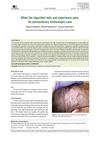 January 2026 in “Forum Dermatologicum”
 Thorough hair examination is crucial for accurate diagnosis and treatment.
 124 citations
,
August 1994 in “Journal of Investigative Dermatology”
124 citations
,
August 1994 in “Journal of Investigative Dermatology” Dexamethasone speeds up hair loss in mice, while cyclosporin A slows it down.
53 citations
,
July 2002 in “Journal of Investigative Dermatology” The Dfl mutation in mice causes poor sebaceous gland function and complete hair loss.
10 citations
,
November 1993 in “Indian Journal of Dermatology Venereology and Leprology” Minoxidil can cause erythema multiforme, even if patch tests are negative.
81 citations
,
March 2006 in “Journal of Investigative Dermatology” Mutations in the DSG4 gene cause specific hair and scalp issues.
 6 citations
,
April 2025 in “Communications Biology”
6 citations
,
April 2025 in “Communications Biology” Monocytes in hair follicles help neutrophils move through the skin in contact dermatitis.
March 1983 in “International Journal of Dermatology” Minoxidil can cause excessive hair growth.
April 2024 in “Veterinary Science and Medicine Journal” Proper treatment and sanitation can cure and prevent scabiosis in domestic cats.
June 2025 in “Journal of Cosmetic Dermatology” Excessive scalp massage after using minoxidil can cause hair damage, but reducing massage and using MSC exosomes can help.
 April 2012 in “Journal of the American Academy of Dermatology”
 Dermoscopy can help diagnose tinea capitis in children by looking for comma hairs, black dots, and broken hairs with white bands.
4 citations
,
March 1991 in “Dermatitis” Minoxidil can cause skin reactions, so testing is important for those with side effects.
 9 citations
,
January 2006 in “American Journal of Clinical Dermatology”
9 citations
,
January 2006 in “American Journal of Clinical Dermatology” Malassezia yeast might be linked to more hair shedding.
7 citations
,
September 1980 in “Zoological Journal of the Linnean Society” Dendritic cells help regulate skin development and hair growth in mice.
 January 2024 in “The Indian Veterinary Journal”
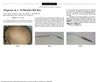
 A young goat with skin issues improved with medication and supplements.
 2 citations
,
August 1994 in “Archives of dermatology”
2 citations
,
August 1994 in “Archives of dermatology” A 19-month-old boy with a rare hair disorder showed mild improvement with treatment, but his family chose gentle hair care due to limited success.
13 citations
,
August 2005 in “Journal of Investigative Dermatology Symposium Proceedings” Mutations in the DSG4 gene cause fragile, sparse hair in humans, mice, and rats.
 June 2026 in “Frontiers in Allergy”
 SSD patients have unique allergen sensitivities linked to skin and microbiota changes.
January 1997 in “Fundamental & Clinical Pharmacology” 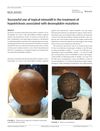 1 citations
,
August 2019 in “Pediatric dermatology”
1 citations
,
August 2019 in “Pediatric dermatology” Topical minoxidil helped an 8-year-old boy with a genetic hair disorder grow hair.
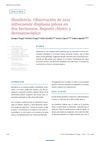 January 2022 in “Revista Dermatológica Centro Uraga”
 Monilethrix is a genetic hair disorder affecting hair shape, seen in two brothers.
 34 citations
,
April 2009 in “Skin Pharmacology and Physiology”
34 citations
,
April 2009 in “Skin Pharmacology and Physiology” Minoxidil affects cell growth in two ways: low doses increase growth, while high doses slow it down and can be toxic.