Stress can cause hair loss and trigger autoimmunity by damaging hair follicle cells.
 November 2025 in “Frontiers in Immunology”
 Immune cells are crucial for normal skin development and their dysfunction can cause skin disorders.
September 2025 in “Figshare” Alopecia areata involves complex immune responses, suggesting broader treatments could help.
September 2025 in “Figshare” Alopecia areata involves complex immune activity, mainly Th1, with potential benefits from broader immune treatments.
September 2025 in “Figshare” Alopecia areata involves complex immune responses, suggesting broader treatments could help.
June 2025 in “Academic Medical Journal” Restoring hair follicle immune privilege may help treat alopecia areata.
 February 2025 in “International Journal of Molecular Sciences”
 RIPK1 inhibitors may help prevent alopecia areata by reducing immune cell activity.
 January 2025 in “ACS Applied Materials & Interfaces”
 Nanoparticles with specific drugs can help regrow hair in alopecia areata.
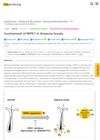
RIPK1 inhibitors might help prevent alopecia areata.
February 2024 in “Veterinary sciences” Canine pemphigus foliaceus involves significant immune activity and shares similarities with human pemphigus.
 January 2024 in “International journal of homoeopathic sciences”
 Early intervention and patient education are crucial for managing alopecia areata.
November 2023 in “Journal of Investigative Dermatology” The study identified key immune cell differences between mild and severe alopecia areata.
November 2023 in “Journal of Investigative Dermatology” Different types of hair loss have unique cellular changes, suggesting new treatment targets.
April 2023 in “Journal of Investigative Dermatology” Targeting mTOR in myeloid cells may help reduce psoriasis symptoms.
 August 2020 in “Current psychopharmacology”
 Pregnancy and nursing increase certain brain activities in rats, but these changes disappear when the babies are taken away.
January 2018 in “Refubium (Universitätsbibliothek der Freien Universität Berlin)” Nanocarriers can improve skin treatments by effectively delivering drugs and enhancing skin hydration.
May 2017 in “The journal of investigative dermatology/Journal of investigative dermatology” Topical immunotherapy for alopecia areata may work by creating immune cell clusters in the skin.
 September 2014 in “Aktuelle Dermatologie”
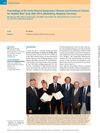
 The symposium concluded that environmental factors significantly contribute to skin aging.
December 2008 in “Annales de Dermatologie et de Vénéréologie” Recent dermatological research highlights include new virus discoveries, genetic links to skin conditions, and insights into skin healing and pigmentation.
January 1994 in “Medical Entomology and Zoology” Electron microscopy helps understand skin structure and diseases.
69 citations
,
January 1995 in “PubMed” Mouse melanocyte structure and function are influenced by genetics, hormones, and environmental factors.
42 citations
,
September 2002 in “The Journal of Comparative Neurology” Glycine likely affects dendrites connected to hair follicle terminals in rats.
17 citations
,
April 2023 in “ACS Biomaterials Science & Engineering” Silk fibroin microneedles can effectively treat vitiligo by promoting skin pigmentation.
January 2006 in “Chinese Journal of Dermatology” Amelanotic melanocytes from hair follicles are immature and likely don't transfer melanosomes to keratinocytes.
January 2004 in “Linchuang pifuke zazhi” All-trans retinoic acid helps amelanotic melanocytes in hair follicles develop and produce pigment while reducing their growth.
 306 citations
,
April 2019 in “International Journal of Molecular Sciences”
306 citations
,
April 2019 in “International Journal of Molecular Sciences” The skin has a complex immune system that is essential for protection and healing, requiring more research for better wound treatment.
 236 citations
,
January 1951 in “Physiological zoology”
236 citations
,
January 1951 in “Physiological zoology” Hair growth and pigmentation in mice involve specific stages crucial for research.
 191 citations
,
May 2018 in “British journal of dermatology/British journal of dermatology, Supplement”
191 citations
,
May 2018 in “British journal of dermatology/British journal of dermatology, Supplement” Alopecia areata is likely an autoimmune disease with unclear triggers, involving various immune cells and molecules, and currently has no cure.
 125 citations
,
August 2020 in “Frontiers in Immunology”
125 citations
,
August 2020 in “Frontiers in Immunology” Men generally have more severe COVID-19 cases and higher death rates than women due to biological differences.
57 citations
,
August 2023 in “American Journal of Clinical Dermatology” JAK inhibitors and platelet-rich plasma show promise for treating alopecia areata.