 January 2012 in “Elsevier eBooks”
 New treatments for skin and hair repair show promise, but further improvements are needed.
 19 citations
,
March 2017 in “PLoS ONE”
19 citations
,
March 2017 in “PLoS ONE” PSU are better than THF at regenerating skin layers in lab models.
August 1994 in “Toxicology in Vitro” A lab model of human skin was created to study skin tumor promoters without using actual human skin.
January 2006 in “Zhongguo bingli shengli zazhi” Murine epidermal stem cells can develop into skin structures without rejection when implanted.
 4 citations
,
January 2021 in “Archives of dermatological research”
4 citations
,
January 2021 in “Archives of dermatological research” The study created a new model to better understand human hair growth and health.
 August 2023 in “Scientific reports”
 Human stem cells were turned into cells similar to those that help grow hair and showed potential for hair follicle formation.
 51 citations
,
August 2013 in “Journal of Investigative Dermatology”
51 citations
,
August 2013 in “Journal of Investigative Dermatology” Human skin cells can create new hair follicles when transplanted into mice.
 33 citations
,
September 2016 in “British journal of dermatology/British journal of dermatology, Supplement”
33 citations
,
September 2016 in “British journal of dermatology/British journal of dermatology, Supplement” Human hair follicle dermal cells can effectively replace other cells in engineered skin.
 3 citations
,
February 2021 in “Experimental dermatology”
3 citations
,
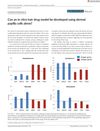
February 2021 in “Experimental dermatology” Dermal papilla microtissues could be useful for initial hair growth drug testing.
 December 2012 in “Journal of Dermatological Science”
 Wnt/beta-catenin signaling in the skin helps fat cell development during hair growth and repair.
 28 citations
,
March 2010 in “Histochemistry and cell biology”
28 citations
,
March 2010 in “Histochemistry and cell biology” Skin cells can help create early hair-like structures in lab cultures.
 23 citations
,
June 2015 in “Journal of Tissue Engineering and Regenerative Medicine”
23 citations
,
June 2015 in “Journal of Tissue Engineering and Regenerative Medicine” Wnt1a helps keep cells that can grow hair effective for potential hair loss treatments.
 21 citations
,
March 2018 in “Experimental Dermatology”
21 citations
,
March 2018 in “Experimental Dermatology” The guide explains how to study human skin fat cells and their tissue, aiming to improve research and medical treatments.
 66 citations
,
August 2001 in “Experimental Dermatology”
66 citations
,
August 2001 in “Experimental Dermatology” Human hair follicle cells can grow hair when put into mouse skin if they stay in contact with mouse cells.
 314 citations
,
April 2010 in “Developmental Cell”
314 citations
,
April 2010 in “Developmental Cell” β-catenin in the dermal papilla is crucial for normal hair growth and repair.
 227 citations
,
January 1998 in “Journal of Endocrinology”
227 citations
,
January 1998 in “Journal of Endocrinology” Cells from balding scalps have more androgen receptors than cells from non-balding scalps.
 211 citations
,
April 2013 in “Development”
211 citations
,
April 2013 in “Development” More dermal papilla cells in hair follicles lead to larger, healthier hair, while fewer cells cause hair thinning and loss.
 208 citations
,
December 2003 in “Journal of Investigative Dermatology”
208 citations
,
December 2003 in “Journal of Investigative Dermatology” Certain cells from hair follicles can create new hair and contribute to hair growth when implanted in mice.
 207 citations
,
March 2012 in “Development”
207 citations
,
March 2012 in “Development” Skin needs dermal β-catenin activity for hair growth and skin cell multiplication.
 190 citations
,
October 2002 in “The FASEB journal”
190 citations
,
October 2002 in “The FASEB journal” Androgens may cause hair loss by increasing TGF-beta1 from scalp cells, which inhibits hair cell growth.
 184 citations
,
November 2014 in “Developmental Cell”
184 citations
,
November 2014 in “Developmental Cell” Hair follicle dermal stem cells are key for regenerating parts of the hair follicle and determining hair type.
 149 citations
,
July 2014 in “Cold Spring Harbor Perspectives in Medicine”
149 citations
,
July 2014 in “Cold Spring Harbor Perspectives in Medicine” The dermal papilla is crucial for hair growth and health, and understanding it could lead to new hair loss treatments.
 124 citations
,
June 2020 in “Cell Stem Cell”
124 citations
,
June 2020 in “Cell Stem Cell” Fat cells in the skin help start healing and form important repair cells after injury.
 102 citations
,
August 2008 in “Genes & Development”
102 citations
,
August 2008 in “Genes & Development” Laminin-511 is crucial for early hair growth and maintaining important hair development signals.
 71 citations
,
January 2019 in “International journal of biological sciences”
71 citations
,
January 2019 in “International journal of biological sciences” Exosomes from dermal papilla cells help hair growth by making hair follicle stem cells multiply and change.
 68 citations
,
August 2014 in “Stem Cells Translational Medicine”
68 citations
,
August 2014 in “Stem Cells Translational Medicine” Dermal papilla cells help wounds heal better and can potentially grow new hair.
 63 citations
,
September 2009 in “Regenerative Medicine”
63 citations
,
September 2009 in “Regenerative Medicine” Scientists found a way to grow human hair cells in a lab that can create new hair when transplanted.
 58 citations
,
November 2012 in “PLoS ONE”
58 citations
,
November 2012 in “PLoS ONE” Human skin cells can be turned into versatile stem cells, but their ability to do so decreases with repeated use.
 44 citations
,
June 2018 in “Journal of Cellular Physiology”
44 citations
,
June 2018 in “Journal of Cellular Physiology” Researchers developed a 3D model of human hair follicle cells that can help understand hair growth and test new hair loss treatments.
 42 citations
,
February 2017 in “Scientific Reports”
42 citations
,
February 2017 in “Scientific Reports” Researchers found a way to create cells from stem cells that act like human cells important for hair growth and could be used for hair regeneration treatments.