137 citations
,
April 2001 in “Journal of Clinical Investigation” Alopecia in these mice is caused by defective hair cycle communication due to missing vitamin D receptor function, not vitamin D levels.
 130 citations
,
June 2003 in “Journal of Investigative Dermatology Symposium Proceedings”
130 citations
,
June 2003 in “Journal of Investigative Dermatology Symposium Proceedings” Estrogen Receptor ß (ERß) is the main hormone controller in human skin and hair follicles, not Estrogen Receptor α (ERα) or the Androgen Receptor (AR).
 126 citations
,
January 2009 in “International Journal of Trichology”
126 citations
,
January 2009 in “International Journal of Trichology” Oxidative stress contributes to hair graying and loss as we age.
 118 citations
,
August 2010 in “Developmental Cell”
118 citations
,
August 2010 in “Developmental Cell” MIM is crucial for hair follicle formation and regeneration by controlling cilia formation and hedgehog signaling through its interaction with Cortactin and Src.
 116 citations
,
September 2001 in “Journal of The American Academy of Dermatology”
116 citations
,
September 2001 in “Journal of The American Academy of Dermatology” Hair loss occurs due to fewer papillary cells, smaller follicles, and shorter growth phases.
 108 citations
,
November 2006 in “Phytomedicine”
108 citations
,
November 2006 in “Phytomedicine” Green tea component EGCG could potentially promote human hair growth.
105 citations
,
December 1998 in “Archives of Dermatological Research” Dermal papilla cells mainly drive blood vessel growth in hair follicles.
 103 citations
,
January 2006 in “Journal of Cell Science”
103 citations
,
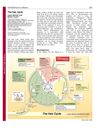
January 2006 in “Journal of Cell Science” The document concludes that the hair cycle is a complex process involving growth, regression, and rest phases, regulated by various molecular signals.
102 citations
,
July 2020 in “International journal of molecular sciences” Hormones like testosterone and estrogen significantly affect hair growth and structure.
 98 citations
,
February 2007 in “Seminars in Cell & Developmental Biology”
98 citations
,
February 2007 in “Seminars in Cell & Developmental Biology” Androgens can both stimulate and cause hair loss, and understanding their effects is key to treating hair disorders.