 December 2013 in “Research Portal (King's College London)”
 Hair loss in Lichen Planopilaris is caused by immune system issues damaging hair follicles and stem cells.

Chemotherapy can cause skin issues and hair loss, and this guide explains how to manage them.
 September 2013 in “Experimental Dermatology”
 The document concluded that stem cells are crucial for skin repair, regeneration, and may help in developing advanced skin substitutes.
 August 2010 in “The Journal of Dermatology”
 The document concludes that low-dose acne treatment is most suitable for moderate acne, with high patient satisfaction and low relapse rates.
 May 2009 in “The American Journal of Dermatopathology”
 Mast cells play a significant role in hair loss conditions like male pattern hair loss and alopecia areata.
 December 2008 in “The American Journal of Cosmetic Surgery”
 Multi-pass laser skin treatments improved healing, reduced pain, and had no major complications.
 July 2003 in “British Journal of Dermatology”
 Some skin conditions are associated with other serious diseases, and office microscopy may miss many fungal infections.
 May 2002 in “British Journal of Dermatology”
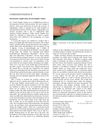
 A pregnant woman's skin condition improved after giving birth, possibly due to high estrogen levels during pregnancy.
 December 2017 in “Springer eBooks”
 Treat pediatric skin issues with accurate diagnosis, multidisciplinary team, and various treatment options.
 April 2017 in “Journal of Investigative Dermatology”
 Higher leptin levels link to hair loss.
 May 2002 in “British Journal of Dermatology”
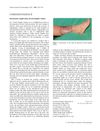
 Hair loss caused by longer latent hair cycle and sudden miniaturization, not gradual follicle size reduction.
 27 citations
,
March 2018 in “Allergy and asthma proceedings”
27 citations
,
March 2018 in “Allergy and asthma proceedings” People with alopecia areata often have higher rates of allergies and autoimmune diseases.
 141 citations
,
January 1984 in “Journal of The American Academy of Dermatology”
141 citations
,
January 1984 in “Journal of The American Academy of Dermatology” Pregnancy can cause skin darkening, varicose veins, more sweating, hair growth, hair loss after birth, nail changes, and gum inflammation.
 128 citations
,
September 2011 in “British Journal of Dermatology”
128 citations
,
September 2011 in “British Journal of Dermatology” Obesity is linked to various skin problems and may increase the risk of skin cancer.
 112 citations
,
January 2014 in “Molecular and cellular therapies”
112 citations
,
January 2014 in “Molecular and cellular therapies” Blocking the Wnt pathway could lead to new treatments for cancer and tissue repair but requires careful development to avoid side effects.
 97 citations
,
May 2008 in “Journal of Cutaneous Pathology”
97 citations
,
May 2008 in “Journal of Cutaneous Pathology” Different soft tissue fillers can cause various skin reactions; biodegradable fillers are safer and non-biodegradable ones like silicone can lead to long-term problems.
 79 citations
,
March 2017 in “Dermatologic clinics”
79 citations
,
March 2017 in “Dermatologic clinics” Vitiligo affects overall health and self-esteem, needing more research and awareness.
 77 citations
,
July 2020 in “Journal of the European Academy of Dermatology and Venereology”
77 citations
,
July 2020 in “Journal of the European Academy of Dermatology and Venereology” Environmental factors, hormones, nutrition, and stress all significantly affect skin health and aging.
 73 citations
,
March 2014 in “Journal of The American Academy of Dermatology”
73 citations
,
March 2014 in “Journal of The American Academy of Dermatology” Most dermatologic medications are safe during pregnancy and breastfeeding, but some should be avoided due to potential risks.
 65 citations
,
January 2009 in “Pediatric Dermatology”
65 citations
,
January 2009 in “Pediatric Dermatology” The most common skin problems in Indian children are infections and eczemas.
 64 citations
,
February 1995 in “Journal of The American Academy of Dermatology”
64 citations
,
February 1995 in “Journal of The American Academy of Dermatology” Lithium therapy may cause skin problems like hidradenitis suppurativa and other side effects, which can improve after stopping the medication.
 63 citations
,
May 2017 in “American Journal of Clinical Dermatology”
63 citations
,
May 2017 in “American Journal of Clinical Dermatology” People with alopecia areata often have lower levels of vitamin D, zinc, and folate, but more research is needed to understand if supplements can help treat it.
 61 citations
,
October 2010 in “Postgraduate Medical Journal”
61 citations
,
October 2010 in “Postgraduate Medical Journal” Most patients with chronic kidney disease have skin problems, which get worse as the disease progresses, and dialysis doesn't greatly reduce these issues.
 58 citations
,
October 2001 in “Dermatologic Clinics”
58 citations
,
October 2001 in “Dermatologic Clinics” Hair loss can indicate underlying systemic diseases and addressing these can sometimes reverse the hair loss.
 57 citations
,
June 2018 in “Nutrients”
57 citations
,
June 2018 in “Nutrients” Celiac disease can cause skin problems that may get better with a gluten-free diet.
 55 citations
,
October 2019 in “Dermatology and therapy”
55 citations
,
October 2019 in “Dermatology and therapy” Drugs targeting the JAK/STAT pathway can improve atopic dermatitis but vary in effectiveness for vitiligo and alopecia areata, with generally mild safety concerns.
 55 citations
,
June 2013 in “Dermatologic Surgery”
55 citations
,
June 2013 in “Dermatologic Surgery” Ablative fractional resurfacing could improve how well topical drugs penetrate the skin, but more research is needed to fine-tune the method.
 52 citations
,
January 2020 in “Scientific Reports”
52 citations
,
January 2020 in “Scientific Reports” NLCs with manual massage greatly improve clobetasol delivery to hair follicles.
 52 citations
,
March 2016 in “JAMA dermatology”
52 citations
,
March 2016 in “JAMA dermatology” Patients with PCOS rate their hirsutism higher than clinicians, and these self-ratings are more closely related to their quality of life and risk of depression.
 49 citations
,
July 2004 in “Anesthesiology”
49 citations
,
July 2004 in “Anesthesiology” The document concludes that more research is needed to understand how to treat muscle pain with drugs.