 13 citations
,
April 1994 in “Journal of Investigative Dermatology”
13 citations
,
April 1994 in “Journal of Investigative Dermatology” Androgen receptors found in monkey scalps, similar to humans, affect hair growth.
 8 citations
,
February 2016 in “The American Journal of Dermatopathology”
8 citations
,
February 2016 in “The American Journal of Dermatopathology” Hair transplants can make hair follicles larger and hair shafts thicker.
6 citations
,
August 2015 in “Acta histochemica” Lysozyme might help mouse hair grow.
 6 citations
,
February 2014 in “Experimental Dermatology”
6 citations
,
February 2014 in “Experimental Dermatology” Hair follicle regeneration is possible but challenging, especially in humans, due to the need for specific cells and a better understanding of how they signal growth.
6 citations
,
November 2023 in “JCI Insight” Exogenous stem cells can effectively integrate into hair follicles, promoting hair growth.
 4 citations
,
January 2018 in “Advances in Experimental Medicine and Biology”
4 citations
,
January 2018 in “Advances in Experimental Medicine and Biology” The document concludes that hair follicles have a complex environment and our understanding of it is growing, but there are limitations when applying animal study findings to humans.
4 citations
,
January 2000 in “Durham e-Theses (Durham University)” Hair follicles help wounds heal faster, especially in active growth phase skin.
4 citations
,
March 2008 in “Korean Journal of Chemical Engineering” Mesenchymal cells can significantly boost human hair growth and longevity.
 4 citations
,
January 2004 in “Biological and Pharmaceutical Bulletin”
4 citations
,
January 2004 in “Biological and Pharmaceutical Bulletin” AgK114 protein helps in hamster skin injury recovery.
2 citations
,
February 2025 Merkel cell polyomavirus can infect and persist in skin cells, evading the immune system, but certain treatments can control it.
 2 citations
,
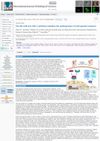
January 2023 in “International Journal of Biological Sciences”
2 citations
,
January 2023 in “International Journal of Biological Sciences” A specific pathway involving AR, miR-221, and IGF-1 plays a key role in causing common hair loss.
 1 citations
,
August 2023 in “bioRxiv (Cold Spring Harbor Laboratory)”
1 citations
,
August 2023 in “bioRxiv (Cold Spring Harbor Laboratory)” Certain cells in the adult mouse ear come from cranial neural crest cells, but muscle and hair cells do not.
1 citations
,
January 2009 in “Journal of Dermatology and Venereology” Cells from the upper hair follicle grow more actively, suggesting stem cells may be located there.
 April 2023 in “Journal of Investigative Dermatology”
 Muscle around hair follicles controls hair loss by releasing a signal that causes cell death.
 March 2022 in “Benha Journal of Applied Sciences”
 ULBP3 levels are higher in Tinea capitis patients and may help predict the disease's severity.
February 2010 in “Journal of the American Academy of Dermatology” Activating cAMP and ATP improves hair growth and strength.
January 2008 in “Anhui nongye kexue” Mongolia sheep hair follicles grew well in a serum-free medium for 19 days.
January 2007 in “Chinese journal of plastic surgery” Sodium fluoride increases cell death in hair follicles, but sodium selenite can reduce this effect.
July 2026 in “Cell Transplantation” This systematic umbrella review highlights the central role of dermal papilla (DP) fibroblasts in the pathogenesis of androgenic alopecia (AGA). The review synthesizes evidence from 43 articles, revealing that DP cells express high levels of androgen receptor and 5α-reductase type II, which, upon activation by dihydrotestosterone, lead to several detrimental effects: downregulation of Wnt/β-catenin signaling, upregulation of TGF-β/BMP pathway, altered secretion profiles, impaired DP cell aggregation, destruction of hair follicle stem cell activation, and induction of inflammation and fibrosis. These findings underscore the dysfunction of DP cells as a key driver of hair follicle miniaturization in AGA, suggesting that targeting DP cell dysfunction could be a viable therapeutic strategy. Evidence regarding the role of dermal sheath cells as a DP cell reserve remains limited.
 April 2026 in “Brazilian Journal of Hair Health”
 Perifollicular fibrosis hinders hair regrowth in androgenetic alopecia, and new treatments targeting fibrosis are needed.
January 2026 in “Open MIND” Fibroblasts play a key role in hair loss by affecting hair growth and causing inflammation.
July 2020 in “Experimental Dermatology” Aging causes hair thinning in women due to changes in the scalp environment.
 September 2007 in “PubMed”
 Implanted human scalp cells can regenerate hair-like structures in mice.
August 2000 in “Chinese Journal of Dermatology” Dermal papilla cells can successfully grow and maintain hair follicles.
 May 2015 in “Hair transplant forum international”
 Androgenetic alopecia causes hair loss by shrinking hair follicles due to androgens, with the connection between the muscle and hair follicle determining if the loss is reversible.
 January 2022 in “Social Science Research Network”
 The Ar/miR-221/IGF-1 pathway is involved in male pattern baldness, with miR-221 potentially being a new target for treatment.
Hair follicle-like structures can form when specific hair cells are mixed and implanted in mice.
KRTAP6 genes affect wool quality in sheep.
105 citations
,
December 1998 in “Archives of Dermatological Research” Dermal papilla cells mainly drive blood vessel growth in hair follicles.
29 citations
,
July 1993 in “The journal of investigative dermatology/Journal of investigative dermatology” Hair follicle development involves complex interactions between skin layers and cells, but many details are still unknown.