 January 2017 in “Clinical approaches and procedures in cosmetic dermatology”
 Anti-glycation treatments might slow skin aging, but more research is needed.
 January 2016 in “Chemistry & Industry”
 Two drugs, tofacitinib and ruxolitinib, may help regrow hair by activating hair follicles.
 January 2016 in “Elsevier eBooks”
 Trichoscopy is a key method for dermatologists to quickly and effectively diagnose hair and scalp conditions.
 January 2015 in “Springer eBooks”
 Some alternative treatments may help with hair loss, but more evidence is needed to confirm their effectiveness.
The document concludes that current hair loss treatments have limitations and suggests researching new treatments targeting different factors of hair loss.
 May 2011 in “Journal of The American Academy of Dermatology”
 Objective assessment is needed to accurately determine medication use and adherence.

Most American men experience hair loss by age 50, with limited effective treatments available and new options not expected soon.
 February 2009 in “Journal of The American Academy of Dermatology”
 Fractional infrared technology is effective and safe for treating cervical laxity.
 February 2009 in “Journal of The American Academy of Dermatology”
 Fractional infrared technology is effective and safe for treating cervical laxity.
 February 2009 in “Journal of The American Academy of Dermatology”
 Fractional infrared technology is effective and safe for treating cervical laxity.
 February 2009 in “Journal of The American Academy of Dermatology”
 Pulsed dye laser treatment was effective for a skin condition resistant to other treatments.
Biotin boosts wool growth and follicle health in sheep.
 January 2007 in “Elsevier eBooks”
 Alopecia areata is a reversible, autoimmune-related hair loss that can have significant emotional impact and uncertain treatment effectiveness.
 November 2005 in “Journal of Investigative Dermatology Symposium Proceedings”
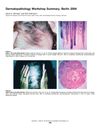
 The workshop aimed to improve hair loss disorder diagnosis and understanding.
 December 2004 in “Medicine”
 A thorough history and examination are crucial for diagnosing skin diseases, which affect up to a third of people. This includes details about skin lesions, medication, general health, lifestyle, family, and contacts, as well as examining the rash, hair, nails, and mucous membranes. Changes in hair and nails can also indicate other medical and skin disorders.
 July 2003 in “British Journal of Dermatology”
 Some skin conditions are associated with other serious diseases, and office microscopy may miss many fungal infections.
 June 2018 in “Advances in Cosmetic Surgery”
 Hair loss caused by genetics and hormones; more research needed for treatments.

AGA causes permanent hair loss; women use 2% minoxidil, men use 1 mg finasteride daily.
 April 2008 in “Blackwell Publishing Ltd eBooks”
 AGA causes permanent hair loss; minoxidil helps men, finasteride helps men, minoxidil somewhat helps women, estrogens/antiandrogens lack evidence for women.
 130 citations
,
May 1988 in “Journal of The American Academy of Dermatology”
130 citations
,
May 1988 in “Journal of The American Academy of Dermatology” "Male-pattern" hair loss is common in women, especially after menopause, and doesn't always mean there's a problem with hormone balance.
 92 citations
,
October 2002 in “Journal of The American Academy of Dermatology”
92 citations
,
October 2002 in “Journal of The American Academy of Dermatology” Finasteride improves hair loss in women with hyperandrogenism.
 58 citations
,
October 1993 in “International Journal of Dermatology”
58 citations
,
October 1993 in “International Journal of Dermatology” Minoxidil helps hair growth and reduces shedding in women.
 58 citations
,
September 1991 in “British Journal of Dermatology”
58 citations
,
September 1991 in “British Journal of Dermatology” Women with AGA often face anxiety, depression, and low self-esteem; psychological support is important.
 46 citations
,
October 2012 in “Dermatologic Clinics”
46 citations
,
October 2012 in “Dermatologic Clinics” Female pattern hair loss diagnosed by scalp appearance, treated with combined therapies and targeted approaches.
 34 citations
,
February 2012 in “Journal of Cutaneous Pathology”
34 citations
,
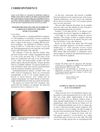
February 2012 in “Journal of Cutaneous Pathology” The research found specific signs to diagnose alopecia areata incognito and noted patients generally regrow hair after steroid treatment.
 25 citations
,
January 2005 in “Pediatric Dermatology”
25 citations
,
January 2005 in “Pediatric Dermatology” Methotrexate effectively treated a 2-year-old's generalized pustular psoriasis without side effects.
 21 citations
,
January 2005 in “Pediatric Dermatology”
21 citations
,
January 2005 in “Pediatric Dermatology” An 8-year-old girl with vitiligo developed extra hair growth on her knee after using tacrolimus ointment.
 18 citations
,
January 2016 in “Skin appendage disorders”
18 citations
,
January 2016 in “Skin appendage disorders” The paper suggests improving diagnosis and treatment of telogen effluvium but does not recommend a new classification system.
 16 citations
,
January 2005 in “Pediatric Dermatology”
16 citations
,
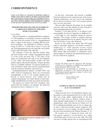
January 2005 in “Pediatric Dermatology” A 10-year-old girl with Fox Fordyce disease improved with treatment, suggesting the disease can occur before puberty and might be underdiagnosed in young girls.
 14 citations
,
January 2005 in “Pediatric Dermatology”
14 citations
,
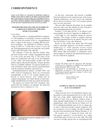
January 2005 in “Pediatric Dermatology” UVA1-light therapy successfully treated a child's skin condition, mycosis fungoides.