 47 citations
,
October 2016 in “Molecular and Cellular Endocrinology”
47 citations
,
October 2016 in “Molecular and Cellular Endocrinology” Androgens prevent hair growth by changing Wnt signals in cells.
 46 citations
,
September 2014 in “Tissue engineering. Part A”
46 citations
,
September 2014 in “Tissue engineering. Part A” Researchers created hair-inducing human cell clusters using a 3D culture method.
 46 citations
,
April 2016 in “Journal of Investigative Dermatology”
46 citations
,
April 2016 in “Journal of Investigative Dermatology” New genes found linked to balding, may help develop future treatments.
 44 citations
,
June 2009 in “Biomaterials”
44 citations
,
June 2009 in “Biomaterials” Skin cell clumping for hair growth is improved by a protein called fibronectin, which helps cells stick and move better.
 42 citations
,
December 2014 in “Clinical, cosmetic and investigational dermatology”
42 citations
,
December 2014 in “Clinical, cosmetic and investigational dermatology” Nonablative radiofrequency treatments, especially microneedle and fractional types, can improve acne scars by 25%–75% after 3-4 sessions, with full results in 3 months and some side effects.
 41 citations
,
June 2010 in “Journal of Investigative Dermatology”
41 citations
,
June 2010 in “Journal of Investigative Dermatology” New cells are added to the hair's dermal papilla during the active growth phase.
 41 citations
,
March 1998 in “Archives of Dermatological Research”
41 citations
,
March 1998 in “Archives of Dermatological Research” The enzyme that changes testosterone to a stronger form is mostly found in the part of the hair follicle called the dermal papilla.
 39 citations
,
June 2017 in “Scientific Reports”
39 citations
,
June 2017 in “Scientific Reports” Different lab conditions and light treatment methods change how human skin cells respond to light therapy.
 36 citations
,
February 2017 in “BMC Complementary and Alternative Medicine”
36 citations
,
February 2017 in “BMC Complementary and Alternative Medicine” Geranium sibiricum extract helps hair grow and is more effective than minoxidil but can be toxic in high concentrations.
 34 citations
,
February 1999 in “Journal of Dermatological Science”
34 citations
,
February 1999 in “Journal of Dermatological Science” Minoxidil boosts enzymes that help hair growth.
 33 citations
,
January 2017 in “Annals of Dermatology”
33 citations
,
January 2017 in “Annals of Dermatology” LED light can help hair growth by activating specific cell pathways.
 33 citations
,
January 1997 in “Endocrinology”
33 citations
,
January 1997 in “Endocrinology” Testosterone can slow down hair growth when combined with certain cells from bald scalps, and this effect can be blocked by an androgen receptor blocker.
 33 citations
,
April 1990 in “Dermatologic Clinics”
33 citations
,
April 1990 in “Dermatologic Clinics” Minoxidil effectively treats hair loss, with better results in women.
 32 citations
,
April 2016 in “Journal of Investigative Dermatology”
32 citations
,
April 2016 in “Journal of Investigative Dermatology” STAT5 activation is crucial for starting the hair growth phase.
 29 citations
,
October 2011 in “British Journal of Dermatology”
29 citations
,
October 2011 in “British Journal of Dermatology” Certain microRNAs are more common in balding areas and might be involved in male pattern baldness.
 29 citations
,
January 2007 in “Dermatologic Clinics”
29 citations
,
January 2007 in “Dermatologic Clinics” Photodynamic Therapy is an effective treatment for mild to severe acne.
 29 citations
,
March 2010 in “Journal of Dermatological Science”
29 citations
,
March 2010 in “Journal of Dermatological Science” Wnt3a activates certain genes in hair follicle cells, including a newly discovered one, EP2, which may affect hair growth.
 28 citations
,
October 2011 in “International Journal of Molecular Medicine”
28 citations
,
October 2011 in “International Journal of Molecular Medicine” Adenosine helps hair grow longer and stronger by boosting certain growth factors and signaling pathways.
 24 citations
,
February 2006 in “Chinese Medical Journal”
24 citations
,
February 2006 in “Chinese Medical Journal” Cultured dermal papilla cells can regenerate hair follicles and sustain hair growth.
 24 citations
,
March 2001 in “Journal of Endocrinology/Journal of endocrinology”
24 citations
,
March 2001 in “Journal of Endocrinology/Journal of endocrinology” Red deer only have androgen receptors in neck hair cells for mane growth during breeding season.
 24 citations
,
April 2012 in “Developmental Biology”
24 citations
,
April 2012 in “Developmental Biology” Dermal papillae cells, important for hair growth, come from multiple cell lines and can be formed by skin cells, regardless of their origin or hair cycle phase. These cells rarely divide, but their ability to shape tissue may contribute to their efficiency in inducing hair growth.
 23 citations
,
September 2011 in “Journal of Dermatological Science”
23 citations
,
September 2011 in “Journal of Dermatological Science” Red LED light helps mouse hair grow by increasing growth factors from skin cells.
 22 citations
,
February 2017 in “Clinical and Experimental Dermatology”
22 citations
,
February 2017 in “Clinical and Experimental Dermatology” Icariin helps mouse hair grow by boosting a growth factor in skin cells.
 22 citations
,
December 2003 in “Veterinary clinical pathology”
22 citations
,
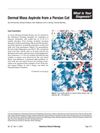
December 2003 in “Veterinary clinical pathology” The Persian cat has a skin infection caused by a fungus, treatable with antifungal medication.
 20 citations
,
January 2019 in “Journal of dermatological science”
20 citations
,
January 2019 in “Journal of dermatological science” Male hormones indirectly affect skin cell development by increasing growth factor levels from skin fibroblasts.
 19 citations
,
January 2017 in “Stem Cells International”
19 citations
,
January 2017 in “Stem Cells International” Adipose-derived stem cells show promise in treating skin conditions like vitiligo, alopecia, and nonhealing wounds.
 19 citations
,
December 2015 in “Journal of Materials Chemistry B”
19 citations
,
December 2015 in “Journal of Materials Chemistry B” Scientists have created a method to deliver specific cells that can regenerate hair follicles, potentially offering a new treatment for hair loss.
 19 citations
,
November 2011
19 citations
,
November 2011 Using systemic drugs as creams for skin conditions shows promise, but more research is needed to confirm their effectiveness and safety.
 19 citations
,
February 2008 in “Archives of Dermatological Research”
19 citations
,
February 2008 in “Archives of Dermatological Research” Mast cells might contribute to hair loss by causing skin thickening.
 19 citations
,
April 2015 in “European Journal of Pharmacology”
19 citations
,
April 2015 in “European Journal of Pharmacology” Dihydrotestosterone (DHT) doesn't affect rat skin cell growth, but it does change cell cycle, protein levels, and other cell functions, potentially shortening hair growth cycle.