114 citations
,
October 1996 in “Dermatologic clinics” Hair loss is mainly caused by hormones, autoimmune issues, and chemotherapy, and needs more research for treatments.
28 citations
,
July 1993 in “The journal of investigative dermatology/Journal of investigative dermatology” Dermal papilla cells are crucial for hair growth and can induce new hair follicles.
 19 citations
,
July 1993 in “The journal of investigative dermatology/Journal of investigative dermatology”
19 citations
,
July 1993 in “The journal of investigative dermatology/Journal of investigative dermatology” Dermal-epidermal interactions are crucial for hair growth and maintenance.
Retinoic acid can change skin development, like turning scales into feathers or forming glands.
 6 citations
,
October 2016 in “Journal of Cellular Physiology”
6 citations
,
October 2016 in “Journal of Cellular Physiology” Human dermal fibroblasts help microvascular endothelial cells grow, but not vice versa.
 61 citations
,
October 1996 in “Development”
61 citations
,
October 1996 in “Development” Hair growth can be stimulated by combining certain skin cells, which can rejuvenate old cells and cause them to specialize in hair follicle creation.
38 citations
,
July 2004 in “Journal of experimental zoology. Part B, Molecular and developmental evolution” Reptilian scales, feathers, and hairs evolved from changes in skin cell interactions.
STAT5 and Sox18 are crucial for hair growth and wound healing.
 3 citations
,
July 2015 in “European Journal of Dermatology”
3 citations
,
July 2015 in “European Journal of Dermatology” AGEs may cause hair loss by increasing inflammation in hair follicles.
82 citations
,
January 2006 in “International review of cytology” Vertebrate skin evolved to be more specialized and complex, especially in land animals.
 28 citations
,
March 2010 in “Histochemistry and cell biology”
28 citations
,
March 2010 in “Histochemistry and cell biology” Skin cells can help create early hair-like structures in lab cultures.
16 citations
,
November 1994 in “Developmental Biology” Retinoic acid causes gland formation instead of hair in mouse skin by altering epidermal and dermal interactions.
September 2021 in “Morphologia” Dermal fibroblasts have at least three distinct types, each with unique roles in skin structure and hair development.
14 citations
,
January 2021 in “Stem cell research & therapy” Human skin cells with stem-like features can help create new hair follicles and sebaceous glands when combined with other cells.
April 2017 in “The journal of investigative dermatology/Journal of investigative dermatology” Researchers developed a method to grow human hair follicles using 3D-printed skin models and modified cells.
 5 citations
,
April 2022 in “Frontiers in Medicine”
5 citations
,
April 2022 in “Frontiers in Medicine” Hair and skin healing involve complex cell interactions controlled by specific molecules and pathways, and hair follicle cells can help repair skin wounds.
 September 2016 in “Journal of dermatological science”
 Adult skin cells can be used to create new hair in a lab.
 2 citations
,
April 2020 in “bioRxiv (Cold Spring Harbor Laboratory)”
2 citations
,
April 2020 in “bioRxiv (Cold Spring Harbor Laboratory)” The skin's basement membrane is specially designed to support different types of connections between skin layers and hair follicles.
854 citations
,
February 2002 in “The journal of investigative dermatology/Journal of investigative dermatology” Understanding hair follicle development can help treat hair loss, skin regeneration, and certain skin cancers.
39 citations
,
March 1997 in “The Lancet” Acquired perforating dermatosis often affects skin in people with kidney issues and diabetes.
 39 citations
,
April 1992 in “Development”
39 citations
,
April 1992 in “Development” Both cell and non-cell parts are important for rat whisker follicle regrowth.
8 citations
,
April 2013 in “Advances in Wound Care” α3β1 integrin is essential for skin stability and proper wound healing.
5 citations
,
January 1993 in “PubMed” Retinoic acid can change skin structures in vertebrates, like turning scales into feathers or hair buds into glands.
January 2011 in “Hispania Judaica bulletin” Mechanical forces are crucial for hair regeneration in skin organoids.
29 citations
,
July 1993 in “The journal of investigative dermatology/Journal of investigative dermatology” Hair follicle development involves complex interactions between skin layers and cells, but many details are still unknown.
 April 2016 in “Journal of Investigative Dermatology”
 Scientists have found a way to grow hair follicles from human cells in a lab, which could help treat hair loss and skin damage.
11 citations
,
April 1993 in “PubMed” Human hair cells can change based on their environment, especially interactions with certain skin cells.
 April 2021 in “Journal of Investigative Dermatology”
 Bacteria can help skin regenerate through a process called IL-1β signaling.
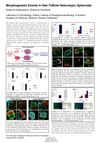
Researchers developed a method to create artificial hair follicles that may help with hair loss treatment and research.
34 citations
,
June 2005 in “Developmental dynamics” Runx3 helps determine hair shape.