September 2022 in “Ukraïnsʹkij naukovo-medičnij molodìžnij žurnal” Quality pharmaceutical care is crucial for safe and effective use of vitamin-mineral supplements during pregnancy and breastfeeding.
 June 2022 in “Indian Dermatology Online Journal”
 Teledermatology effectively managed most skin conditions remotely during the COVID-19 pandemic.
May 2022 in “Голова и шея.” Checkpoint inhibitor therapy can cause skin issues, from mild rashes to severe reactions.
 May 2022 in “F1000Research”
 During the COVID-19 pandemic, Iraqi women experienced more hair loss and certain skin conditions, while contagious skin infections decreased.
 November 2021 in “American Journal of Tropical Medicine and Hygiene”
 Marking nuts can cause skin irritation and allergies.
 November 2021 in “Folia Microbiologica”
 Trichophyton bullosum has been found causing severe skin infections in donkeys in North Africa for the first time since 1933.
August 2021 in “Journal of the American Academy of Dermatology” The study evaluated how alopecia areata severity relates to its psychosocial effects on patients.
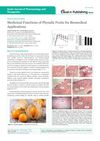 May 2021 in “Austin journal of pharmacology and therapeutics”
 Physalis fruits have medicinal properties that can help treat various diseases and have anti-inflammatory, antioxidant, antibacterial, and antitumor effects.
 April 2021 in “MEDICINUS”
 Acrodermatitis enteropathica can occur even with normal zinc levels, and zinc supplements can improve symptoms.
 January 2021 in “Middle East journal of applied sciences”
 Over 30% of livestock in New Valley Governorate, Egypt, had skin diseases, affecting their productivity and income.
January 2021 in “대한미용학회지” Boswellia may improve skin inflammation symptoms and positively influence hair growth in mice.
 January 2020 in “Animal Husbandry Dairy and Veterinary Science”
 Tetracycline successfully treated a Labrador's skin calcification and hair loss.
 January 2020 in “Journal of Clinical Biochemistry and Nutrition”
 Low zinc levels in chronic liver disease patients are linked to more severe symptoms like taste issues and skin problems, and zinc supplements might help.
 January 2018 in “Modern approaches in drug designing”
 Kunzea oil may help stimulate hair growth.
January 2018 in “Archivio istituzionale della ricerca (Alma Mater Studiorum Università di Bologna)” Prompt veterinary care and proper diagnosis are crucial for treating rare fungal skin diseases in horses.
 January 2017 in “Clinical approaches and procedures in cosmetic dermatology”
 Retinoids are effective for skin conditions like severe acne and psoriasis but must be used with caution due to potential side effects and risks during pregnancy.
 November 2016 in “Zoo biology”
 Adding more vegetables and fruits improved capybaras' coat quality and health.
 April 2015 in “Archives of disease in childhood”
 A chubby child can still be malnourished.
 January 2015 in “Aesthetic Surgery Journal”
 The book is a valuable resource for learning about new cosmetic dermatology treatments, despite some content overlap and inconsistent visuals.
 October 2013 in “Journal of Investigative Dermatology”
 Collagen VII helps skin heal and stay strong, sirolimus may lower skin cancer risk in kidney transplant patients, high-molecular-mass hyaluronan helps naked mole rats resist cancer, dermal γδ T cells aid in hair growth in rodents, and overexpression of IL-33 in mouse skin causes itchiness, offering a model for studying allergic inflammation treatments.
October 2012 in “International journal of child health and human development” Adolescents often face skin issues like impetigo, acne, and dermatitis, which can be managed with proper treatments.
July 2012 in “American Journal of Clinical Pathology” Hair examination is crucial for diagnosing Netherton syndrome in patients with certain skin symptoms.
 January 2012 in “Methods in pharmacology and toxicology”
 TRPV3 could be a target for treating pain, skin disorders, and hair problems, but more research is needed to create effective drugs.
 January 2011 in “Elsevier eBooks”
 Alopecia in animals can be hereditary, congenital, or acquired, with treatments and outcomes varying widely.
January 2008 in “International Journal of Trichology” Psychological factors can cause hair and scalp problems.
 January 2005 in “Nihon Yasei Doubutsu Igakkaishi/Japanese journal of zoo and wildlife medicine”
 Aloe vera gel effectively treated mange in camels.
February 1994 in “Neuroscience letters” People need different amounts of biotin based on age and it's important for health, with many foods providing enough.
COCs can improve acne but may cause skin issues like cholasma; high estrogen is advised for hair loss concerns.
 January 2026 in “Dermatology Review”
 Celiac disease can cause skin issues, and a gluten-free diet can help improve them.
 December 2024 in “International Journal of Community Medicine and Public Health”
 Children with celiac disease often have skin issues, best managed with a gluten-free diet and sometimes medication.