31 citations
,
March 2014 in “Journal of the European Academy of Dermatology and Venereology” BRAF inhibitors for melanoma often cause skin side effects, but they can be managed with proper care.
241 citations
,
January 2001 in “Reviews on Environmental Health” High selenium exposure can harm thyroid function, immune system, liver, skin, and may increase neurotoxicity and cancer risk.
11 citations
,
December 2017 in “Journal of the American Academy of Dermatology” The levonorgestrel intrauterine device for heavy periods may cause acne, hair loss, and excess hair growth.
 3 citations
,
November 2018 in “Oncology issues”
3 citations
,
November 2018 in “Oncology issues” Cancer survivors often experience worse skin problems from treatment than expected, and working with dermatologists could help improve their condition.
 February 2023 in “Journal of Korean Medical Association”
 Targeted cancer therapies can cause new side effects, requiring careful monitoring and management to ensure patient safety.
January 2021 in “Annals of translational medicine” YH0618 helped reduce skin and nail problems and fatigue in chemotherapy patients.
October 2025 in “Journal of the Endocrine Society” Hormone Replacement Therapy improves skin health in postmenopausal women by boosting collagen and hydration.

GLP-1 receptor agonists for weight loss may cause hair loss, especially in women.
 21 citations
,
August 2003 in “Seminars in oncology nursing”
21 citations
,
August 2003 in “Seminars in oncology nursing” Nurses are crucial in managing chemotherapy side effects for ovarian cancer patients to improve their quality of life.
11 citations
,
April 2014 in “Journal of Clinical Virology” Older age, pre-existing skin conditions, cirrhosis, and pegylated interferon use increase the risk of skin issues during hepatitis C treatment.
 6 citations
,
February 2023 in “Advances in Therapy”
6 citations
,
February 2023 in “Advances in Therapy” Baricitinib, a drug for rheumatoid arthritis, atopic dermatitis, and alopecia areata, is generally safe with low risk of major side effects, even in patients with risk factors. It's also effective in promoting hair regrowth in alopecia areata patients.
 April 2026 in “American Journal of Clinical Dermatology”
 GLP-1 receptor agonists may help or harm hair health, needing more research.
 32 citations
,
June 2012 in “PLoS ONE”
32 citations
,
June 2012 in “PLoS ONE” Blocking IL-8 can reduce skin rashes from cancer treatment.
 7 citations
,
November 2021 in “Anais Brasileiros de Dermatologia”
7 citations
,
November 2021 in “Anais Brasileiros de Dermatologia” Skin side effects from cancer treatments can lead to changes in therapy and are common, with nail changes being the most frequent.
 2 citations
,
September 2010 in “Journal of the Dermatology Nurses’ Association”
2 citations
,
September 2010 in “Journal of the Dermatology Nurses’ Association” Transplant patients on immunosuppressive medications have a higher risk of skin cancer, and managing this involves balancing medication with cancer risk.
 February 2021 in “International Journal of Research in Dermatology”
 COVID-19 can cause skin symptoms that might help spot the virus early, and treatments for it can also affect the skin.
 2 citations
,
June 2020 in “Journal of Cosmetic Dermatology”
2 citations
,
June 2020 in “Journal of Cosmetic Dermatology” Microneedling with minoxidil improved hair growth in elderly man.
10 citations
,
July 2016 in “Clinical and translational science” Sorafenib often causes mucositis, hand-foot syndrome, rash, alopecia, diarrhea, and fatigue.
 1 citations
,
October 2021 in “Journal of the European Academy of Dermatology and Venereology”
1 citations
,
October 2021 in “Journal of the European Academy of Dermatology and Venereology” The hair lotion reduced hair loss and sped up recovery in women with acute telogen effluvium.
5 citations
,
August 2025 in “Biomedicines” Early detection and multidisciplinary management of skin and mouth side effects from breast cancer treatments improve patient outcomes.
 January 1987 in “Side effects of drugs annual”
 Some cosmetics and dermatological drugs can cause allergic reactions and side effects, like skin irritation and systemic issues.
April 2023 in “Journal of Investigative Dermatology” EGFR helps protect hair follicles from bacterial infections.

Abemaciclib can cause skin, hair, and nail problems, leading some patients to stop using it.
 September 2010 in “Institutional Repositories DataBase (IRDB)”
 Sorafenib can cause a temporary skin condition that goes away after stopping the drug.
 5 citations
,
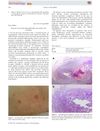
August 2014 in “Australasian journal of dermatology”
5 citations
,
August 2014 in “Australasian journal of dermatology” Sorafenib can cause delayed skin problems, so patients need careful monitoring.
1 citations
,
January 2007 in “Side effects of drugs annual” Dermatological treatments can have significant side effects, including allergic reactions, sexual dysfunction, and increased cancer risk.
 1 citations
,
January 2005 in “Side effects of drugs annual”
1 citations
,
January 2005 in “Side effects of drugs annual” The document concluded that various dermatological treatments have different effectiveness and side effects, with some causing irritation, allergic reactions, or systemic effects.
June 2023 in “Revista de Ciências Médicas e Biológicas” Proper management of skin and hair side effects from chemotherapy improves patients' quality of life.
2 citations
,
September 2014 in “International Journal of Dermatology” Sodium valproate can worsen psoriasis-like skin conditions.
 25 citations
,
May 2018 in “Clinical & Translational Oncology”
25 citations
,
May 2018 in “Clinical & Translational Oncology” New melanoma treatments can cause skin side effects, including skin cancer and rashes, but combining treatments may reduce these risks.