 6 citations
,
April 2013 in “Current Dermatology Reports”
6 citations
,
April 2013 in “Current Dermatology Reports” Dermatologists are crucial for managing skin side effects in metastatic melanoma patients using vemurafenib and ipilimumab.
 March 2026 in “American Journal of Clinical Dermatology”
 Cancer survivors need better skin care to improve their quality of life.
15 citations
,
March 2024 in “Journal of Clinical Medicine” Selumetinib causes skin and hair side effects in kids with NF1, affecting treatment and quality of life.
 22 citations
,
April 1998 in “Dermatologic Clinics”
22 citations
,
April 1998 in “Dermatologic Clinics” Interferons are effective for some skin conditions and cancers, but can have side effects and need more research for optimal use.
 6 citations
,
September 1988 in “Drug intelligence & clinical pharmacy”
6 citations
,
September 1988 in “Drug intelligence & clinical pharmacy” Minoxidil caused a severe rash in a patient, which improved after stopping the drug.
26 citations
,
February 2015 in “Pediatric blood & cancer” Targeted anticancer therapies in children often cause skin side effects like rash and dry skin.
 87 citations
,
December 2016 in “British journal of dermatology/British journal of dermatology, Supplement”
87 citations
,
December 2016 in “British journal of dermatology/British journal of dermatology, Supplement” Cancer patients treated with immune checkpoint inhibitors may develop alopecia, but some hair regrowth is possible with treatment.
87 citations
,
March 2013 in “Expert Review of Anticancer Therapy” Afatinib often causes skin problems that need proactive management.
2 citations
,
November 2025 in “Pharmaceutics” Cell-mediated drug delivery systems improve skin disease treatment by using living cells for precise, prolonged, and less toxic therapy.
 February 2026 in “Psycho-Oncologie”
 Alopecia areata causes significant psychological distress in cancer patients, needing integrated care.
97 citations
,
June 2013 in “Journal of Dermatological Science” Understanding EGFR's role in skin is crucial for better treatments and managing side effects.
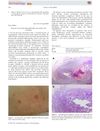 5 citations
,
August 2014 in “Australasian journal of dermatology”
5 citations
,
August 2014 in “Australasian journal of dermatology” Sorafenib can cause delayed skin problems, so patients need careful monitoring.
 4 citations
,
January 2018 in “JEADV. Journal of the European Academy of Dermatology and Venereology/Journal of the European Academy of Dermatology and Venereology”
4 citations
,
January 2018 in “JEADV. Journal of the European Academy of Dermatology and Venereology/Journal of the European Academy of Dermatology and Venereology” Panitumumab can cause excessive ear hair growth.
11 citations
,
July 2024 in “Cancers” Preventing and managing skin issues from cancer treatment is crucial, especially in high UV areas like Australia and New Zealand.
 1 citations
,
July 2023 in “Cancers”
1 citations
,
July 2023 in “Cancers” Skin side effects from CDK4/6 inhibitors in breast cancer patients are generally mild and treatable, allowing most patients to continue treatment.
10 citations
,
July 2016 in “Clinical and translational science” Sorafenib often causes mucositis, hand-foot syndrome, rash, alopecia, diarrhea, and fatigue.
 April 2005 in “Dermatologic Clinics”
 The document summarizes recent dermatological treatments and advances in areas like pediatric care, wound healing, skin closure, light-based therapies, pigment disorders, hair loss, immunotherapy, infection management, melanoma, drug reactions, and facial rejuvenation.
January 2026 in “Clinical & Translational Oncology” Early intervention and tailored management are crucial for skin side effects in cancer treatments.
 March 2014 in “Dermatologic Clinics”
 More research, better treatments, and public education are needed for dermatological conditions in people of African descent.
5 citations
,
January 2024 in “BMC Cancer” Anthracycline and taxane chemotherapy cause significant side effects like fatigue, vomiting, nausea, nerve damage, joint pain, and hair loss in breast cancer patients.

research TOC
April 2007 in “Dermatologic Clinics” Understanding drug effects and careful monitoring are crucial for safe and effective dermatology treatments.
 38 citations
,
February 2012 in “Supportive Care in Cancer”
38 citations
,
February 2012 in “Supportive Care in Cancer” Skin problems like acne, dry skin, and nail and hair changes are common in patients taking EGFR inhibitors.
December 2025 in “Current Issues in Molecular Biology” Cytarabine can cause multiple organ toxicities, especially neurotoxicity, but better research methods are needed to fully understand and predict these effects.
 1 citations
,
January 2015 in “Springer eBooks”
1 citations
,
January 2015 in “Springer eBooks” Chemotherapy can cause skin side effects that affect patients' lives, but they can be managed to avoid interrupting cancer treatment.
 9 citations
,
July 2002 in “Journal of the European Academy of Dermatology and Venereology”
9 citations
,
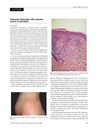
July 2002 in “Journal of the European Academy of Dermatology and Venereology” The document concludes that fexofenadine reduces inflammation in chronic hives, cholestyramine helps half of pregnant women with itchy rashes, and relaxing incisions are a good alternative in facial surgery for the elderly.
 7 citations
,
September 2013 in “Current Dermatology Reports”
7 citations
,
September 2013 in “Current Dermatology Reports” Some skin medications are safe for pregnant women, but others pose risks or should not be used.
 August 2019 in “Reactions Weekly”
 Daclizumab may cause psoriasis-like skin problems in multiple sclerosis patients.
 192 citations
,
January 2015 in “Journal of the American Academy of Dermatology”
192 citations
,
January 2015 in “Journal of the American Academy of Dermatology” Targeted cancer therapies often cause serious skin problems that need careful management.
 3 citations
,
August 2021 in “Cutis”
3 citations
,
August 2021 in “Cutis” Some alternative medicine treatments might work for skin conditions, but their effectiveness and safety differ a lot.
 February 2026 in “American Journal of Clinical Dermatology”
 Radiotherapy can cause skin fibrosis, which is often overlooked and needs better treatment and evaluation.