 1 citations
,
March 2023 in “Frontiers in Cardiovascular Medicine”
1 citations
,
March 2023 in “Frontiers in Cardiovascular Medicine” A specific gene variant is linked to heart disease, increased heart muscle, curly hair, and thick skin on palms and soles.
 August 2022 in “JAAD case reports”
 A woman with a long-term skin condition developed a serious skin cancer that led to her death.
 December 2020 in “Dermatology archives”
 Some COVID-19 pneumonia patients in Veracruz, Mexico, had skin issues, with reversible hair loss linked to disease severity.
 July 2021 in “Journal of dermatology research and therapy”
 COVID-19 may worsen hair loss, and Nourkrin® could be a safe treatment option, but more research is needed.
 2 citations
,
September 2021
2 citations
,
September 2021 The COVID-19 pandemic increased the use of teledermatology to treat skin conditions in low-income areas, despite challenges like poor photo quality.
 2 citations
,
April 2024 in “Dermatology Practical & Conceptual”
2 citations
,
April 2024 in “Dermatology Practical & Conceptual” Tofacitinib and baricitinib are effective and safe for treating severe alopecia areata, especially in younger people.
 44 citations
,
January 2021 in “Dermatologic Therapy”
44 citations
,
January 2021 in “Dermatologic Therapy” COVID-19 may cause hair loss due to infection stress or treatments.
 10 citations
,
January 2016 in “Dermatology”
10 citations
,
January 2016 in “Dermatology” People with myotonic dystrophy type 1 tend to develop basal cell carcinoma at a younger age but not more frequently than others.
 9 citations
,
May 2021 in “Dermatologic Therapy”
9 citations
,
May 2021 in “Dermatologic Therapy” Possible link between androgens and COVID-19 severity; more research needed.
 7 citations
,
January 2012 in “Dermatology”
7 citations
,
January 2012 in “Dermatology” Most hospitalized internal medicine patients have undiagnosed skin problems and want them treated.
 3 citations
,
June 2019 in “Dermatologic Therapy”
3 citations
,
June 2019 in “Dermatologic Therapy” Biofibre hair implant is a safe, effective treatment for baldness with 95% patient satisfaction.
 1 citations
,
June 2020 in “Dermatologic Therapy”
1 citations
,
June 2020 in “Dermatologic Therapy” COVID-19 can cause various skin issues, including rashes and 'COVID toes', and may worsen autoimmune diseases or affect men with baldness more severely.
 June 2026 in “Dermatology and Therapy”
 Combining multiple ingredients is the most effective treatment for hyperpigmentation.
 January 2025 in “Dermatology Review”
 Acitretin may cause salivary gland inflammation.
 12 citations
,
April 2022 in “Dermatology and therapy”
12 citations
,
April 2022 in “Dermatology and therapy” Alopecia areata leads to significantly higher healthcare costs due to more doctor visits and prescriptions.
 176 citations
,
May 2020 in “Dermatologic Therapy”
176 citations
,
May 2020 in “Dermatologic Therapy” COVID-19 can cause different skin symptoms that may help with early diagnosis and show how severe the disease is.
 143 citations
,
September 1991 in “Archives of Dermatology”
143 citations
,
September 1991 in “Archives of Dermatology” Generalized pustular psoriasis patients often need strong medication and careful treatment due to flare-ups and complications.
 35 citations
,
November 2020 in “Dermatologic Therapy”
35 citations
,
November 2020 in “Dermatologic Therapy” Severe COVID-19 may cause hair loss, and doctors recommend supplements and topical treatments to manage it.
 24 citations
,
February 2021 in “Dermatology and Therapy”
24 citations
,
February 2021 in “Dermatology and Therapy” COVID-19 increased alopecia areata relapses due to inflammation and stress.
 24 citations
,
January 1993 in “Dermatologic Clinics”
24 citations
,
January 1993 in “Dermatologic Clinics” Minoxidil effectively treats hair loss, works better for women, and requires consistent use.
 20 citations
,
July 2008 in “Dermatologic Therapy”
20 citations
,
July 2008 in “Dermatologic Therapy” The document says that treating the root cause of hair follicle damage is crucial to prevent permanent hair loss, and treatment options vary.
 15 citations
,
July 2020 in “Dermatologic Therapy”
15 citations
,
July 2020 in “Dermatologic Therapy” FPHL is common in women, influenced by genetics and hormones, and can be treated with medications, laser therapy, or hair transplantation.
 9 citations
,
May 2013 in “JAMA Dermatology”
9 citations
,
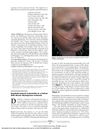
May 2013 in “JAMA Dermatology” A woman's hair turned white after taking a cancer drug called dasatinib.
 7 citations
,
May 2020 in “Dermatologic Therapy”
7 citations
,
May 2020 in “Dermatologic Therapy” Dermatologists helped identify COVID-19 through skin symptoms and managed skin issues during the pandemic, but more high-quality research is needed.
 6 citations
,
January 2019 in “Dermatology Research and Practice”
6 citations
,
January 2019 in “Dermatology Research and Practice” Many survivors of Stevens-Johnson Syndrome and Toxic Epidermal Necrolysis in Togo suffer long-term eye and skin problems.
 6 citations
,
June 2013 in “British Journal of Dermatology”
6 citations
,
June 2013 in “British Journal of Dermatology” Intense pulsed light treatment mainly damages pigmented hair parts but spares stem cells, allowing hair to regrow.
 January 2026 in “Dermatology Practical & Conceptual”
 Children with alopecia areata often have vitiligo, allergic asthma, ADHD, and low vitamin B12 and ferritin levels.
 October 2025 in “Dermatology Practical & Conceptual”
 Severe COVID-19 often leads to hair loss in India.
 April 2024 in “Dermatology and therapy”
 In Denmark from 1995 to 2016, hospital-treated alopecia areata cases increased, mostly affecting women and those over 50.
 October 2023 in “Dermatology practical & conceptual”
 Many patients experienced hair loss after COVID-19, with women affected more, starting on average 49 days post-infection.