7 citations
,
May 2012 in “Journal of veterinary diagnostic investigation” Some young Angus cattle had skin problems due to not enough vitamin A, which got better after they were given more vitamin A.
 September 2024 in “Seven Editora eBooks”
 Dermatophylosis sporadically affects adult sheep in Sertão da Paraíba, causing alopecic and crusty skin lesions.
13 citations
,
July 2016 in “Indian Journal of Dermatology” DPR can show different hair characteristics, as seen in two brothers with normal hair.
12 citations
,
January 2013 in “Indian dermatology online journal” Dermatopathia pigmentosa reticularis causes skin discoloration, hair loss, and nail problems.
 12 citations
,
February 2008 in “Journal of The American Academy of Dermatology”
12 citations
,
February 2008 in “Journal of The American Academy of Dermatology” Combining skin tissue pathology with genetics has greatly improved the diagnosis and understanding of certain skin diseases.
 5 citations
,
September 2015 in “Nepalese journal of ophthalmology”
5 citations
,
September 2015 in “Nepalese journal of ophthalmology” An 11-year-old girl with a rare skin disorder also had cornea issues and dry eye, needing careful management.
4 citations
,
April 2019 in “JAAD Case Reports” DPR can cause skin, hair, and nail issues, sometimes appearing later in life.
 3 citations
,
November 1999 in “Journal of Cutaneous Medicine and Surgery”
3 citations
,
November 1999 in “Journal of Cutaneous Medicine and Surgery” Examining scalp biopsies in different ways helps better diagnose hair loss types.
 June 2024 in “British Journal of Dermatology”
 KRT14 gene variants cause dermatopathia pigmentosa reticularis, affecting nails, teeth, and hair.
 May 2023 in “Indian journal of dermatology, venereology, and leprology”
 The document concludes that understanding tissue degeneration is crucial for diagnosing skin lesions.
December 2022 in “Journal of Cutaneous Pathology” Dermatopathologists must consider both birth sex and gender identity to accurately diagnose and treat transgender patients.
 November 2005 in “Journal of Investigative Dermatology Symposium Proceedings”
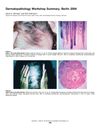
 The workshop aimed to improve hair loss disorder diagnosis and understanding.
 July 2003 in “British Journal of Dermatology”
 Some skin conditions are associated with other serious diseases, and office microscopy may miss many fungal infections.
 113 citations
,
August 2016 in “Mycopathologia”
113 citations
,
August 2016 in “Mycopathologia” New topical antifungals and delivery systems are improving treatment for fungal skin infections, but patient education and prevention are key.
71 citations
,
December 2010 in “Preventive Veterinary Medicine” Young dogs and cats in Western Turkey often have skin infections caused by fungi, especially Microsporum canis.
 36 citations
,
October 2016 in “Medical mycology”
36 citations
,
October 2016 in “Medical mycology” PCR-ELISA is better for identifying the fungus causing scalp infections in Ugandan children than traditional methods.
 32 citations
,
June 2017 in “Journal of infection/The Journal of infection”
32 citations
,
June 2017 in “Journal of infection/The Journal of infection” The document concludes that terbinafine is effective for treating scalp fungal infections in children and recommends not excluding them from school during treatment, while also highlighting the need for updated treatment guidelines due to changing infection patterns.
28 citations
,
January 1999 in “Dermatology” Fluconazole is the preferred treatment for deep skin infections in immunocompromised patients.
 18 citations
,
May 1988 in “Journal of The American Academy of Dermatology”
18 citations
,
May 1988 in “Journal of The American Academy of Dermatology” Itraconazole helps improve tough skin infections but may not prevent them from coming back.
 12 citations
,
March 2010 in “Revista iberoamericana de micología”
12 citations
,
March 2010 in “Revista iberoamericana de micología” The cat died from a hard-to-treat fungal infection despite various treatments.
11 citations
,
October 2017 in “Mycoses” An 80-year-old man's deep beard infection was cured with oral terbinafine after identifying the fungus Trichophyton verrucosum.
11 citations
,
January 2016 in “Mycoses” Human black hair is best for distinguishing between T. mentagrophytes and T. verrucosum.
 8 citations
,
January 2000
8 citations
,
January 2000 Terbinafine effectively stops fungal invasion of human keratin.
7 citations
,
September 2021 in “Antimicrobial Agents and Chemotherapy” Olorofim effectively treats fungal skin infections.
6 citations
,
October 1998 in “PubMed” Antifungal treatment can improve severe skin infections with cutaneous horns.
4 citations
,
November 1998 in “Pediatrics in review” Scalp fungal infections need oral antifungals, while other skin fungal infections can be treated with creams; keep areas dry and don't stop treatment early.
4 citations
,
November 1970 in “PubMed” Mustard oil and unsaturated fatty acids can stop the growth of scalp fungus and prevent it from infecting hair.
3 citations
,
November 1998 in “Pediatrics in review” For hair fungal infections, take oral antifungals; for skin and nail infections, use topical antifungals, and keep affected areas cool and dry.
3 citations
,
November 1998 in “PubMed” Systemic therapy is needed for deep hair follicle infections, and proper dosage is crucial for treatment success.
 2 citations
,
January 2023 in “International Journal of Dermatology Research”
2 citations
,
January 2023 in “International Journal of Dermatology Research” Calotropis procera leaf extracts have antifungal properties, especially against Microsporum canis.