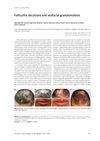
 January 2018 in “Advances in Dermatology and Allergology”
 Treatment with dapsone, topical corticosteroids, and antibiotics improved the man's skin conditions.
 April 2017 in “The journal of investigative dermatology/Journal of investigative dermatology”
 QMSI is a valuable method for studying drug penetration in skin tissues.
 April 2017 in “Journal of Dermatological Science”
 Certain flavonoids can improve the growth of pigmented hair in mice.
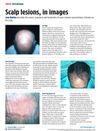 January 2015 in “Independent Nurse”
 Different scalp conditions can lead to hair loss or tumors, with treatments varying from creams to surgery; early detection is crucial.
 December 2014 in “Bangladesh Journal of Veterinary Medicine”
 Ectoparasites cause skin issues in Egyptian lesser blind mole rats, affecting their population.
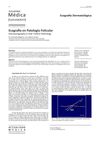 November 2014 in “ACTUALIDAD MEDICA”
 Ultrasonography can help diagnose and monitor hair loss conditions.
 October 2013 in “Journal of Investigative Dermatology”
 Collagen VII helps skin heal and stay strong, sirolimus may lower skin cancer risk in kidney transplant patients, high-molecular-mass hyaluronan helps naked mole rats resist cancer, dermal γδ T cells aid in hair growth in rodents, and overexpression of IL-33 in mouse skin causes itchiness, offering a model for studying allergic inflammation treatments.
 82 citations
,
January 2002 in “Journal of drug targeting”
82 citations
,
January 2002 in “Journal of drug targeting” Drugs penetrate scalp skin better than abdominal skin, with scalp hair follicles aiding in higher drug delivery.
 56 citations
,
March 2010 in “Journal of Dermatology”
56 citations
,
March 2010 in “Journal of Dermatology” Most cases of Temporal Triangular Alopecia are found in early childhood and may be related to genetic conditions.
 8 citations
,
April 1979 in “Journal of Cutaneous Pathology”
8 citations
,
April 1979 in “Journal of Cutaneous Pathology” Giant cells found in some male pattern baldness cases may help diagnose it and suggest hair is mistakenly seen as foreign by the body.
 5 citations
,
October 2016 in “Anais Brasileiros de Dermatologia”
5 citations
,
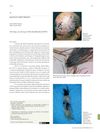
October 2016 in “Anais Brasileiros de Dermatologia” A man from Brazil had a rare case of leprosy on his scalp, which improved with treatment.
 2 citations
,
February 2019 in “Anais brasileiros de dermatologia/Anais Brasileiros de Dermatologia”
2 citations
,
February 2019 in “Anais brasileiros de dermatologia/Anais Brasileiros de Dermatologia” Tufted folliculitis is common in patients with folliculitis decalvans.
 2 citations
,
May 2018 in “Journal of Investigative Dermatology”
2 citations
,
May 2018 in “Journal of Investigative Dermatology” Mice can regrow hair on wounds due to specific cell interactions and mechanical forces not seen in rats.
 October 2024 in “Consilium Medicum”
 Understanding fibroblasts helps improve cosmetic treatments for aging skin.
 December 2024 in “International Ayurvedic Medical Journal”
 Ayurvedic treatments may help reduce hypothyroidism symptoms.
 September 2018 in “International Journal of Dermatology”
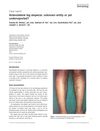
 Anterolateral leg alopecia is a benign, nonprogressive hair loss condition on the lower legs that is not well understood and may resolve on its own.
 78 citations
,
October 2020 in “Experimental Dermatology”
78 citations
,
October 2020 in “Experimental Dermatology” Hidradenitis suppurativa is caused by genetic factors, inflammation, bacteria, hormones, and lifestyle factors like obesity and smoking.
 2 citations
,
January 2011 in “Elsevier eBooks”
2 citations
,
January 2011 in “Elsevier eBooks” Early treatment of acne is crucial to prevent scarring and psychological effects.
 April 2021 in “International Journal of Research in Dermatology”
 A child with a rare scalp condition regrew hair after treatment.
 434 citations
,
October 2003 in “PTR. Phytotherapy research/Phytotherapy research”
434 citations
,
October 2003 in “PTR. Phytotherapy research/Phytotherapy research” Natural products in cosmetics are beneficial for skin and hair care with low toxicity.
 375 citations
,
July 2006 in “Journal of Investigative Dermatology”
375 citations
,
July 2006 in “Journal of Investigative Dermatology” Stress can worsen skin and hair conditions by affecting the skin's immune response and hormone levels.
 306 citations
,
April 2019 in “International Journal of Molecular Sciences”
306 citations
,
April 2019 in “International Journal of Molecular Sciences” The skin has a complex immune system that is essential for protection and healing, requiring more research for better wound treatment.
 295 citations
,
March 2016 in “Life Sciences”
295 citations
,
March 2016 in “Life Sciences” Air pollution worsens skin diseases and aging by causing inflammation and oxidative stress.
 280 citations
,
July 2018 in “Antioxidants”
280 citations
,
July 2018 in “Antioxidants” Treatments that reduce oxidative stress and fix mitochondrial problems may help heal chronic wounds.
 277 citations
,
July 2011 in “Journal of the Dermatology Nurses’ Association”
277 citations
,
July 2011 in “Journal of the Dermatology Nurses’ Association” The skin's layers protect, sense, and regulate the body's internal balance, but can be prone to cancer.
 252 citations
,
April 2009 in “Seminars in Cell & Developmental Biology”
252 citations
,
April 2009 in “Seminars in Cell & Developmental Biology” The immune system plays a key role in tissue repair, affecting both healing quality and regenerative ability.
 218 citations
,
May 2014 in “Experimental Dermatology”
218 citations
,
May 2014 in “Experimental Dermatology” Skin fat cells help with skin balance, hair growth, and healing wounds.
 211 citations
,
May 2018 in “Trends in cell biology”
211 citations
,
May 2018 in “Trends in cell biology” Different types of skin cells play specific roles in development, healing, and cancer.
 175 citations
,
April 1982 in “Journal of The American Academy of Dermatology”
175 citations
,
April 1982 in “Journal of The American Academy of Dermatology” Isotretinoin is highly effective in treating severe acne, rosacea, and gram-negative folliculitis.
 172 citations
,
November 1983 in “Journal of The American Academy of Dermatology”
172 citations
,
November 1983 in “Journal of The American Academy of Dermatology” Chemotherapy can cause skin problems like hair loss, mouth sores, and skin darkening, and recognizing these can affect treatment decisions.