 February 2026 in “Frontiers in Medicine”
 Oral minoxidil improved hair loss more than oral dutasteride.
 January 2026 in “Dermatology Practical & Conceptual”
 Triamcinolone acetonide is more effective than cryotherapy for hair regrowth in alopecia areata but has different side effects.
 January 2026 in “Clinical Cosmetic and Investigational Dermatology”
 Early diagnosis and targeted anti-inflammatory treatments can improve outcomes in androgenetic alopecia with perifollicular inflammation and fibrosis.
 December 2025 in “IP Indian Journal of Clinical and Experimental Dermatology”
 Androgenetic alopecia treatments are becoming more personalized and include new therapies like topical antiandrogens and regenerative strategies.
PRP therapy improves hair density and satisfaction more than Minoxidil for androgenetic alopecia.
 September 2025 in “Dermatology and Therapy”
 Activated PRP effectively increases hair density and reduces hair loss in alopecia.
 January 2025 in “International Journal of Dermatology Sciences”
 Nail changes in alopecia areata are common and may indicate severity and genetic risk.
 July 2024 in “Dermatology Practical & Conceptual”
 LC-OCT helps accurately diagnose different types of infant hair loss without invasive methods.
 July 2024 in “Forum Dermatologicum”
 Topical treatments for hair loss can be effective but need careful safety evaluation.
 May 2024 in “Medicine today”
 Older age, family history, and low iron levels increase the risk of female hair loss.
 February 2024 in “Recima21”
 Covid-19 can cause hair loss due to immune and psychological factors.
Liquid nitrogen cryotherapy worked well for many patients with stubborn alopecia areata.
 January 2023 in “European endocrinology”
 People with alopecia have a higher risk of thyroid cancer.
 November 2022 in “Research Square (Research Square)”
 Using facial sunscreen and moisturizer may increase the risk of frontal fibrosing alopecia.
 July 2018 in “Elsevier eBooks”
 Stopping tight hairstyles can prevent and reduce traction alopecia.
 1 citations
,
May 2015 in “Journal of The American Academy of Dermatology”
1 citations
,
May 2015 in “Journal of The American Academy of Dermatology” Oral clindamycin and rifampicin are the most effective treatments for Folliculitis decalvans.
 April 2026 in “Research Square”
 Trichoscopy is reliable for diagnosing different types of frontal non-scarring hair loss.
 May 2015 in “Journal of The American Academy of Dermatology”
 Oral minoxidil improved male baldness, but had side effects; certain antibiotics effectively treated a rare scalp condition; hair transplants might trigger another scalp condition.
 February 2013 in “Journal of The American Academy of Dermatology”
 Using hair loss drugs finasteride and dutasteride may cause sexual side effects.
 179 citations
,
December 2004 in “Journal of The American Academy of Dermatology”
179 citations
,
December 2004 in “Journal of The American Academy of Dermatology” Some postmenopausal women with frontal fibrosing alopecia stopped losing hair with finasteride treatment, hinting at a possible hormonal cause.
 113 citations
,
July 2015 in “Journal of Cosmetic Dermatology”
113 citations
,
July 2015 in “Journal of Cosmetic Dermatology” Platelet-rich plasma may help with hair growth and skin quality but more research is needed to confirm its effectiveness.
 88 citations
,
August 2019 in “Nature communications”
88 citations
,
August 2019 in “Nature communications” Researchers found a specific immune receptor in patients that causes severe skin reactions to a drug.
 67 citations
,
April 2018 in “JAMA Dermatology”
67 citations
,
April 2018 in “JAMA Dermatology” Hair loss from hormone therapy in breast cancer patients can be improved with minoxidil treatment.
 49 citations
,
January 2018 in “Immunology”
49 citations
,
January 2018 in “Immunology” Psoriasis is linked to other autoimmune diseases and involves a specific inflammatory process.
 45 citations
,
November 2009 in “British Journal of Dermatology”
45 citations
,
November 2009 in “British Journal of Dermatology” Women with early hair loss have higher blood pressure and aldosterone; screening and treatment may help.
 31 citations
,
October 2010 in “Journal of the European Academy of Dermatology and Venereology”
31 citations
,
October 2010 in “Journal of the European Academy of Dermatology and Venereology” Some people with heavy hair shedding might actually have a hidden form of alopecia, which can be identified by specific hair changes.
 27 citations
,
June 2019 in “Aesthetic Plastic Surgery”
27 citations
,
June 2019 in “Aesthetic Plastic Surgery” Platelet-Rich Plasma (PRP) treatment may increase hair growth for genetic hair loss, but more research is needed to confirm this.
 21 citations
,
June 2017 in “Journal of Dermatological Treatment”
21 citations
,
June 2017 in “Journal of Dermatological Treatment” Topical cetirizine improves hair density and thickness in androgenetic alopecia, but more research is needed.
 19 citations
,
February 2016 in “Journal of The American Academy of Dermatology”
19 citations
,
February 2016 in “Journal of The American Academy of Dermatology” CD3+ T-cell presence is a reliable marker to tell apart alopecia areata from pattern hair loss.
 15 citations
,
November 2016 in “Journal of The American Academy of Dermatology”
15 citations
,
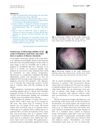
November 2016 in “Journal of The American Academy of Dermatology” Exclamation mark hairs suggest early scalp disease, while white dots indicate it's chronic.