 April 2016 in “Journal of Investigative Dermatology”
 Sonic hedgehog signaling is needed for the development of touch-receptor cells in the skin, and the loss of Polycomb repressive complex 2 can lead to more of these cells.
18 citations
,
May 2023 in “Science Advances” Activating the sonic hedgehog pathway in chicken embryos can permanently change scales to feathers.
 7 citations
,
January 2012
7 citations
,
January 2012 California Ground Squirrel hair can indicate environmental health by showing element accumulation.
 December 2024 in “Indian Journal of Veterinary Public Health”
 Argentine-cross polo ponies commonly develop sarcoid tumors with distinct types and histopathological features.
December 2024 in “Veterinary Dermatology” A sugar glider had a rare skin cancer that worsened despite treatment, highlighting the need for thorough checks in exotic pets.
 28 citations
,
May 2017 in “Molecular ecology”
28 citations
,
May 2017 in “Molecular ecology” Researchers found genes that control hair color and growth change before the visible coat color changes in snowshoe hares.
8 citations
,
July 2004 in “Journal of morphology” Marsupial hair structure and keratin distribution are similar to placental mammals.

Researchers developed a cost-effective, ethical skin model using hairless guinea pig cells for toxicology studies.
35 citations
,
September 2006 in “American Journal Of Pathology” Odontogenic keratocysts are caused by abnormal Hedgehog signaling and can lead to tooth and bone issues.
23 citations
,
December 1977 in “Virchows Archiv B Cell Pathology” Lhx2 helps retinal cells respond to signals for eye development.
 May 2020 in “JOJ Dermatology & Cosmetics”
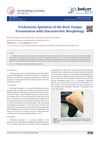
 A rare skin condition usually on the face was found on a man's heel.
 16 citations
,
April 2018 in “Animal Genetics”
16 citations
,
April 2018 in “Animal Genetics” Researchers found two genes that may explain why some Casertana pigs don't have hair.
 January 1957 in “Nihon Chikusan Gakkaiho”
 Rabbit hair color is influenced by the shape and distribution of pigment granules.
27 citations
,
July 1997 in “PubMed” The harlequin ichthyosis mouse mutation causes thick skin and early death, resembling a human skin disorder.
 15 citations
,
July 2004 in “Journal of morphology”
15 citations
,
July 2004 in “Journal of morphology” Monotreme hair structure and protein distribution are similar to other mammals, but their inner root sheath cornifies differently, suggesting a unique evolution from reptile skin.
March 2022 in “Journal of drug delivery and therapeutics” Sea hibiscus leaf extract at 30% concentration in a hair tonic significantly increased hair growth in guinea pigs.
 245 citations
,
January 1998 in “Genes & Development”
245 citations
,
January 1998 in “Genes & Development” Hoxc13 gene is essential for hair, nail, and papilla development.
 6 citations
,
May 2013 in “PloS one”
6 citations
,
May 2013 in “PloS one” The Foxn1(-/-) nude mouse shows disrupted and expanded skin stem cell areas due to high Lhx2 levels.
68 citations
,
April 1965 in “General and Comparative Endocrinology” The pituitary gland controls seasonal fur color changes in weasels.
 1 citations
,
January 2012 in “Journal of Toxicologic Pathology”
1 citations
,
January 2012 in “Journal of Toxicologic Pathology” A rat had a cyst similar to a hair follicle structure.
December 2004 in “PLoS ONE” The Foxn1(-/-) phenotype disrupts hair growth and affects skin stem cells.
7 citations
,
November 1997 in “Reproduction Fertility and Development” Epidermal growth factor disrupts hair and gland formation in bandicoots.
48 citations
,
July 1988 in “PubMed” Rhino mice show significant meibomian gland changes, making them a potential model for studying gland disorders.
 17 citations
,
December 2003 in “Veterinary dermatology”
17 citations
,
December 2003 in “Veterinary dermatology” Some masked palm civets in Japan have a skin disease caused by mites.
 2 citations
,
June 2012 in “Journal of Dermatological Science”
2 citations
,
June 2012 in “Journal of Dermatological Science” The gene HDC is important for the development of hair follicles in newborn mice.
 September 2016 in “Journal of Dermatological Science”
 A gene mutation worsens skin irritation in mice due to a lack of certain fats.
1 citations
,
January 1972 in “PubMed”  136 citations
,
April 2013 in “Clinical Cancer Research”
136 citations
,
April 2013 in “Clinical Cancer Research” The drug IPI-926 is safe at 160 mg daily and may help treat certain tumors, especially basal cell carcinoma.
20 citations
,
December 2010 in “Journal of Morphology” Lizard claws have hair-like keratins similar to those in mammals.