 January 2012 in “Journal of Investigative Dermatology”
 Some Greek melanoma patients have gene mutations linked to increased cancer risk, a new color feature helps diagnose melanoma, the incidence of a skin condition in the Netherlands is rare, and a gene possibly affects male-pattern baldness.
January 2026 in “Advanced Science” A new wound dressing helps heal diabetic wounds faster by reducing inflammation and promoting tissue growth.
7 citations
,
May 2010 in “Drug Delivery” Retinoic acid and DMSO improve gene delivery to mouse skin for potential hair and skin disease treatment.
27 citations
,
February 2020 in “EMBO Reports” MEX3A is crucial for maintaining intestinal stem cells in mice.
90 citations
,
July 1993 in “Journal of Investigative Dermatology” 333 citations
,
March 2000 in “Proceedings of the National Academy of Sciences” Overexpressing GLI-1 in mice skin can cause tumors like human basal cell carcinomas.
28 citations
,
November 2020 in “Polymers” Crosslinked gelatin sponges show promise as skin substitutes for wound treatment.
16 citations
,
September 2006 in “The Journal of Immunology” MILL molecules are unique immune proteins in mice that don't need TAP to appear on cell surfaces.
503 citations
,
May 2009 in “Cell stem cell” Lrig1 marks a unique group of stem cells in mouse skin that can become different skin cell types.
 13 citations
,
July 2012 in “Pigment Cell & Melanoma Research”
13 citations
,
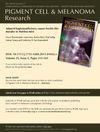
July 2012 in “Pigment Cell & Melanoma Research” A mutation in the Adam10 gene causes freckle-like spots on Hairless mice.