1 citations
,
September 2024 in “Journal of Clinical & Translational Endocrinology” PCOS women have more severe metabolic issues and higher androgen levels than hyperandrogenic women without PCOS.
 December 2016 in “Springer eBooks”
 Chrousos Syndrome is caused by mutations that make the body less sensitive to glucocorticoids, leading to various symptoms and requiring high-dose treatment.
 22 citations
,
February 2010 in “The Veterinary clinics of North America. Small animal practice/Veterinary clinics of North America. Small animal practice”
22 citations
,
February 2010 in “The Veterinary clinics of North America. Small animal practice/Veterinary clinics of North America. Small animal practice” The cause of atypical Cushing's syndrome in dogs, possibly linked to sex hormones, is not yet proven.
 55 citations
,
August 2008 in “Reviews in endocrine and metabolic disorders”
55 citations
,
August 2008 in “Reviews in endocrine and metabolic disorders” Nonclassic adrenal hyperplasia is a genetic condition that can cause early puberty and fertility problems, treated with specific steroids.
 20 citations
,
October 2017 in “Clinical Endocrinology”
20 citations
,
October 2017 in “Clinical Endocrinology” The conclusion is that removing both ovaries is the best treatment for excess male hormones in postmenopausal women, with medication as another option, and managing insulin resistance is important for diagnosis and treatment.
 1 citations
,
October 2012 in “Gynäkologische Endokrinologie”
1 citations
,
October 2012 in “Gynäkologische Endokrinologie” The document concludes that proper diagnosis and individualized treatment are crucial for managing androgenization in women effectively.
 October 2022 in “The American journal of gastroenterology”
 Thymoma-associated multiorgan autoimmunity can cause liver damage and affects multiple organs, with limited treatment options and a generally poor prognosis.
A thorough diagnostic process and teamwork are crucial for managing complex hyperandrogenism in postmenopausal women.
The case shows the difficulty in diagnosing certain conditions when standard tests are negative.
 15 citations
,
April 2016 in “Hormones”
15 citations
,
April 2016 in “Hormones” Mutations in the NR3C1 gene cause a rare condition that affects hormone signaling and can lead to various symptoms, with dexamethasone as a treatment option.
65 citations
,
December 1986 in “The Journal of Clinical Endocrinology & Metabolism” The woman had a genetic condition causing high cortisol and androgen levels, treatable with dexamethasone.
 35 citations
,
March 2012 in “Experimental and Clinical Endocrinology & Diabetes”
35 citations
,
March 2012 in “Experimental and Clinical Endocrinology & Diabetes” The conclusion is that accurately identifying the cause of high androgen levels in women with PCOS is crucial and requires specific tests.
November 2015 in “Bulletin of University of Agricultural Sciences and Veterinary Medicine Cluj-Napoca Veterinary Medicine” Most dogs with Cushing's syndrome have pituitary tumors causing varied symptoms, complicating diagnosis.
 1 citations
,
August 2012 in “Journal der Deutschen Dermatologischen Gesellschaft”
1 citations
,
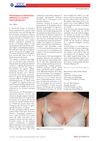
August 2012 in “Journal der Deutschen Dermatologischen Gesellschaft” A woman's hyperandrogenism was caused by a genetic mutation leading to non-classic adrenogenital syndrome.
 May 2021 in “Journal of the Endocrine Society”
 A patient produced cortisol after adrenalectomy, possibly due to residual tissue or other body parts making steroids.
June 2016 in “Journal of Coastal Life Medicine” The terrier dog with pituitary-dependent hyperadrenocorticism was successfully treated with mitotane.
 16 citations
,
August 2007 in “Histopathology”
16 citations
,
August 2007 in “Histopathology” A woman's rare adrenal tumor caused high testosterone and cortisol levels, which normalized after the tumor was removed.
 October 2024 in “Journal of the Endocrine Society”
 Ovarian stromal hyperplasia can cause high testosterone in postmenopausal women and is treated by removing the ovaries.
 42 citations
,
November 2019 in “Frontiers in Endocrinology”
42 citations
,
November 2019 in “Frontiers in Endocrinology” The document suggests creating a validated score to diagnose Cushing's Syndrome and considers plasma steroid profiling as a simpler diagnostic method.
June 2023 in “Clinical Chemistry” Unregulated supplements can contain hidden drugs causing misleading symptoms and test results.
 117 citations
,
May 2017 in “Human Reproduction Update”
117 citations
,
May 2017 in “Human Reproduction Update” The update highlights that non-classic congenital adrenal hyperplasia is common in women with excess male hormones, requires specific hormone tests for diagnosis, and has various treatment options depending on age and symptoms.
 42 citations
,
February 1985 in “Journal of the American Academy of Dermatology”
42 citations
,
February 1985 in “Journal of the American Academy of Dermatology” Excessive hair growth can be assessed by history, exam, and blood tests, and treated with medication like dexamethasone, birth control pills, and spironolactone.
 August 2022 in “IntechOpen eBooks”
 Congenital Adrenal Hyperplasia is a rare inherited disease causing hormone imbalances, affecting growth, fertility, and heart health, diagnosed through blood tests and treated with medication and lifestyle changes.
 124 citations
,
August 1994 in “Journal of Investigative Dermatology”
124 citations
,
August 1994 in “Journal of Investigative Dermatology” Dexamethasone speeds up hair loss in mice, while cyclosporin A slows it down.
3 citations
,
March 2022 in “Journal of Infection” Infectious virus was not found after the third remdesivir dose, suggesting early end of isolation is possible.
58 citations
,
July 1974 in “The Journal of clinical endocrinology and metabolism/Journal of clinical endocrinology & metabolism” Cyproterone acetate combined with ethinyl estradiol significantly reduced hirsutism in women.
15 citations
,
May 1986 in “Journal of the American Veterinary Medical Association” Castration helped a dog with a tumor and hair loss by normalizing hormone levels and regrowing hair.
 2 citations
,
January 2005 in “The Japanese Journal of Veterinary Dermatology”
2 citations
,
January 2005 in “The Japanese Journal of Veterinary Dermatology” Abnormal adrenal function is not the cause of alopecia in Pomeranians; it may be due to breed-specific hormones.
50 citations
,
July 1980 in “Archives of Dermatology” Hidden sweat gland tumors might cause hair loss.
29 citations
,
September 1986 in “Journal of the American Veterinary Medical Association” The cat had a pituitary tumor causing hormone imbalance and related health issues.