 122 citations
,
July 1990 in “Teratology”
122 citations
,
July 1990 in “Teratology” Finasteride exposure in pregnancy causes genital abnormalities in male rats.
 89 citations
,
February 1993 in “Journal of Medicinal Chemistry”
89 citations
,
February 1993 in “Journal of Medicinal Chemistry” New compounds called benzoquinolinones may treat conditions linked to excess DHT.
53 citations
,
October 2011 in “Psychoneuroendocrinology” Finasteride may help improve certain brain function issues linked to dopamine.
 50 citations
,
August 1985 in “Journal of steroid biochemistry/Journal of Steroid Biochemistry”
50 citations
,
August 1985 in “Journal of steroid biochemistry/Journal of Steroid Biochemistry” Spironolactone reduces the enzyme activity that converts testosterone to DHT, helping treat excessive hair growth in women.
 36 citations
,
October 2009 in “Journal of Investigative Dermatology”
36 citations
,
October 2009 in “Journal of Investigative Dermatology” Dihydrotestosterone can be made from dehydroepiandrosterone in skin cells without needing testosterone.
27 citations
,
February 2005 in “Journal of Cellular Biochemistry” Male cells need DHT to respond to testosterone, while female cells do not.
 26 citations
,
July 1995 in “Neurobiology of Aging”
26 citations
,
July 1995 in “Neurobiology of Aging” Finasteride affects prostate weights and pituitary activity differently with age.
 22 citations
,
February 2002 in “Planta Medica”
22 citations
,
February 2002 in “Planta Medica” Compounds from Angelica koreana roots, especially osthenol, could be effective for treating conditions like prostate disease and hair loss.
 20 citations
,
February 2002 in “Expert Opinion on Therapeutic Patents”
20 citations
,
February 2002 in “Expert Opinion on Therapeutic Patents” New research is needed to create better drugs that block the enzyme responsible for conditions like male baldness and prostate enlargement.
 18 citations
,
November 2007 in “Annals of Surgery”
18 citations
,
November 2007 in “Annals of Surgery” Finasteride reduces inflammation and improves immune response after trauma by altering hormone levels.
 15 citations
,
April 2008 in “Steroids”
15 citations
,
April 2008 in “Steroids” The more lipophilic the progesterone derivative, the better it binds to androgen receptors and has antiandrogenic effects.
 13 citations
,
November 2010 in “Experimental Dermatology”
13 citations
,
November 2010 in “Experimental Dermatology” Vitamin C derivative reduces hair loss-related protein in cells.
 13 citations
,
August 1997 in “Steroids”
13 citations
,
August 1997 in “Steroids” Finasteride effectively lowers specific hormone levels, helping monitor treatment progress.
 11 citations
,
January 2000 in “The Journal of Steroid Biochemistry and Molecular Biology”
11 citations
,
January 2000 in “The Journal of Steroid Biochemistry and Molecular Biology” LY320236 is a strong blocker of two enzymes that change testosterone into dihydrotestosterone and might help treat conditions related to male hormones.
 11 citations
,
November 1982 in “British journal of dermatology/British journal of dermatology, Supplement”
11 citations
,
November 1982 in “British journal of dermatology/British journal of dermatology, Supplement” Testosterone and some of its forms can strongly stimulate oil gland growth in skin.
 4 citations
,
April 2002 in “Medical Hypotheses”
4 citations
,
April 2002 in “Medical Hypotheses” Hormones cause hair loss by affecting cell growth and weakening cell attraction.
 2 citations
,
February 2021 in “Brain Research”
2 citations
,
February 2021 in “Brain Research” Testosterone affects blood pressure control and inflammation in male rats with endotoxic shock, and blocking certain hormones may help treat it.
 2 citations
,
March 2012 in “JAMA”
2 citations
,
March 2012 in “JAMA” Early surgery reduces seizure risk in drug-resistant epilepsy; testosterone to DHT conversion doesn't affect muscle anabolism; veterans with PTSD likely to have riskier opioid use; bevacizumab helps in hereditary bleeding disorder.
 April 2018 in “The journal of investigative dermatology/Journal of investigative dermatology”
 Androgens increase growth factors in skin cells, which may lead to acne.
 September 2017 in “Journal of Investigative Dermatology”
 Researchers created human cells that can turn into sebocytes, which may help study and treat skin conditions like acne.
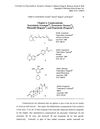
Isotretinoin and tazarotene help treat acne, while minoxidil and finasteride promote hair growth.
 August 1994 in “Journal of dermatological science”
 Different substances affect hair and skin cell growth in various ways.
 August 1994 in “Journal of dermatological science”
 Active oxygen scavengers can reverse the suppression of hair cell growth caused by androgens.
 August 1994 in “Journal of dermatological science”
 Mouse hair cells respond to male hormones by growing less, and this can be stopped by certain blockers.
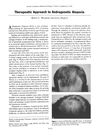 November 1999 in “Journal of Cutaneous Medicine and Surgery”
 Treatments for hair loss include hormone modifiers, minoxidil, and hair transplant surgery.
 September 1997 in “Journal of The European Academy of Dermatology and Venereology”
 New treatment improves male hair loss.
 57 citations
,
February 1983 in “The Journal of clinical endocrinology and metabolism/Journal of clinical endocrinology & metabolism”
57 citations
,
February 1983 in “The Journal of clinical endocrinology and metabolism/Journal of clinical endocrinology & metabolism” Dihydrotestosterone increases the activity of an enzyme in pubic skin cells that converts testosterone to dihydrotestosterone.
 56 citations
,
April 1998 in “Steroids”
56 citations
,
April 1998 in “Steroids” Finasteride reduces hair loss and treats BPH without major hormone changes, but may cause sexual dysfunction.
 47 citations
,
January 2001 in “Journal of Investigative Dermatology”
47 citations
,
January 2001 in “Journal of Investigative Dermatology” High testosterone to epitestosterone ratio in hair could predict male-pattern baldness.
 8 citations
,
March 2012 in “The Journal of Steroid Biochemistry and Molecular Biology”
8 citations
,
March 2012 in “The Journal of Steroid Biochemistry and Molecular Biology” Testosterone and dihydrotestosterone have similar effects on body composition and metabolic health in men.