 1 citations
,
January 2013 in “Springer eBooks”
1 citations
,
January 2013 in “Springer eBooks” The document concludes that skin and nail changes can indicate various underlying health conditions.
 February 2018 in “British Journal of Dermatology”
 We need better research to improve alopecia treatment and patient care.
 May 2017 in “InTech eBooks”
 Trichoscopy and trichogram are useful for diagnosing hair and scalp conditions.
 243 citations
,
September 2016 in “Dermatology and Therapy”
243 citations
,
September 2016 in “Dermatology and Therapy” Dermoscopy is a useful tool for identifying features of skin conditions, but more research is needed to define its role in dermatology.
 226 citations
,
September 2001 in “Journal of The American Academy of Dermatology”
226 citations
,
September 2001 in “Journal of The American Academy of Dermatology” Hair loss in women is genetic, diagnosed by examination and biopsy, and treated with minoxidil, finasteride, or transplantation.
 89 citations
,
March 2018 in “The Journal of Dermatology”
89 citations
,
March 2018 in “The Journal of Dermatology” Trichoscopy helps diagnose and monitor alopecia areata by looking at a combination of specific hair and scalp features.
 53 citations
,
September 2011
53 citations
,
September 2011 Other common signs, not just the well-known immune cells around hair bulbs, are important for diagnosing hair loss from alopecia areata.
 51 citations
,
December 2011 in “The Journal of Dermatology”
51 citations
,
December 2011 in “The Journal of Dermatology” New treatments for severe hair loss often fail, but some patients see hair regrowth with specific therapies, and treatment should be tailored to the individual's situation.
 43 citations
,
August 2013 in “Pediatric Dermatology”
43 citations
,
August 2013 in “Pediatric Dermatology” Trichoscopy is good for diagnosing and monitoring hair and scalp problems in children but needs more research for certain conditions.
 42 citations
,
October 2012 in “Dermatologic Clinics”
42 citations
,
October 2012 in “Dermatologic Clinics” Trichoscopy is a useful tool for diagnosing different hair and scalp diseases without surgery.
 40 citations
,
May 2012 in “British Journal of Dermatology”
40 citations
,
May 2012 in “British Journal of Dermatology” Recognizing specific features of African-American hair can help diagnose hair loss conditions.
 36 citations
,
June 2018 in “Journal of The American Academy of Dermatology”
36 citations
,
June 2018 in “Journal of The American Academy of Dermatology” Dermoscopy is useful for diagnosing various skin, hair, and nail disorders and can reduce the need for biopsies.
 20 citations
,
June 2010 in “Genes and Immunity”
20 citations
,
June 2010 in “Genes and Immunity” Blood tests can help understand the genetic differences in people with alopecia areata, including how severe it is and if it's inherited.
 19 citations
,
October 2019 in “Dermatology Practical & Conceptual”
19 citations
,
October 2019 in “Dermatology Practical & Conceptual” Dermoscopy now helps diagnose various skin, hair, and nail issues, improving patient care and treatment understanding.
 12 citations
,
October 1995 in “The Journal of Clinical Endocrinology & Metabolism”
12 citations
,
October 1995 in “The Journal of Clinical Endocrinology & Metabolism” Skin changes can indicate hormonal imbalances and help diagnose endocrine disorders.
 11 citations
,
July 2012 in “Current Opinion in Pediatrics”
11 citations
,
July 2012 in “Current Opinion in Pediatrics” Skin problems can be signs of hormone-related disorders and recognizing them early is important for treatment.
 10 citations
,
July 2008 in “Journal of Cutaneous Pathology”
10 citations
,
July 2008 in “Journal of Cutaneous Pathology” Increased mucin in the skin might indicate lupus in patients with hair loss, but more research is needed.
 7 citations
,
August 2018 in “The American Journal of Dermatopathology”
7 citations
,
August 2018 in “The American Journal of Dermatopathology” Researchers found a new early sign of Frontal Fibrosing Alopecia that could help avoid misdiagnosis.
 2 citations
,
July 2018 in “Elsevier eBooks”
2 citations
,
July 2018 in “Elsevier eBooks” Trichoscopy is a useful tool for diagnosing and managing hair and scalp conditions, often better than traditional methods.
 1 citations
,
May 2009 in “Wiley-Blackwell eBooks”
1 citations
,
May 2009 in “Wiley-Blackwell eBooks” Early treatment of PCOS in teens is crucial to prevent long-term health issues like diabetes and heart disease.
Trichoscopy is a valuable tool for accurately diagnosing scalp conditions without invasive procedures.
Histopathological confirmation is crucial for accurately diagnosing challenging alopecia areata cases.
 December 2023 in “Portuguese journal of dermatology and venereology”
 Trichoscopy can reliably distinguish between alopecia areata and trichotillomania.
 November 2019 in “Harper's Textbook of Pediatric Dermatology”
 Understanding normal hair growth and loss in children is key to diagnosing and treating hair disorders.
 July 2018 in “Elsevier eBooks”
 The most common cause of hair loss in children is tinea capitis, followed by alopecia areata and telogen effluvium.
 August 2017 in “Journal of evolution of medical and dental sciences”
 Trichoscopy is effective for diagnosing different types of non-scarring hair loss.
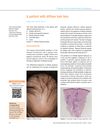 January 2015 in “Indian Dermatology Online Journal”
 The patient's hair loss is most likely due to diffuse alopecia areata.
 June 2008 in “British Journal of Dermatology”
 Herpes gestationis is linked to certain antigens, atopic eczema affects T cell populations and may be eased by breastfeeding, higher doses of anti-androgen treatment can improve androgenic alopecia, topical minoxidil increases hair thickness, long-term methotrexate therapy can cause liver fibrosis in psoriasis patients, and Lichen Sclerosus et Atrophicus patients aren't at higher risk for autoimmune disorders.
 February 2005 in “Journal of The American Academy of Dermatology”
 Doctors should recognize various nail disorders, new allergens, and metabolic syndrome in patients, and use botulinum toxin carefully in aesthetic procedures.
 February 2005 in “Journal of The American Academy of Dermatology”
 Not all nail problems are caused by fungus, new allergens are being identified, PCOS has various treatments, and aesthetic procedures like Botox are advancing.