13 citations
,
July 2020 in “Anais brasileiros de dermatologia/Anais Brasileiros de Dermatologia” Trichoscopy can help diagnose and monitor the progression of dissecting cellulitis.
 1 citations
,
February 2018 in “British Journal of Dermatology”
1 citations
,
February 2018 in “British Journal of Dermatology” The CWARTS tool is a promising method for assessing warts and could improve treatment and research.
January 2026 in “Open Science Framework” AI in alopecia research needs better tools for predicting treatment outcomes and ensuring fairness.
September 2025 in “The Open Dermatology Journal” The AI showed high accuracy in diagnosing skin conditions but needs improvement for immunological and infectious disorders.
February 2026 in “International Journal of Dermatology” Experts recommend specific treatments for alopecia areata based on age and severity, emphasizing the need for better treatments and acknowledging its psychological impact.
 January 2023 in “Przegla̧d dermatologiczny”
 There are two main types of alopecia areata with different severity, and diagnosis is made through clinical examination and trichoscopy, influencing treatment choices.
 5 citations
,
October 2014 in “Gynecological Endocrinology”
5 citations
,
October 2014 in “Gynecological Endocrinology” Triptorelin helps evaluate hormone production in Sertoli-Leydig cell tumors.
 June 2023 in “British Journal of Dermatology”
 High-quality data on skin cancer is crucial for understanding its trends and allocating healthcare resources effectively.
 60 citations
,
April 2018 in “Clinical, cosmetic and investigational dermatology”
60 citations
,
April 2018 in “Clinical, cosmetic and investigational dermatology” Tight hairstyles and chemical relaxers can cause hair loss known as traction alopecia.
1 citations
,
June 2025 in “International Journal of Molecular Sciences” Hirsutism in GCC countries is influenced by genetics, obesity, and lifestyle, with cultural stigma delaying treatment, highlighting the need for tailored health strategies.
1 citations
,
February 2025 in “Journal of Drugs in Dermatology” Early and accurate diagnosis is crucial for effectively managing hair loss in lupus and alopecia areata.
1 citations
,
December 2024 in “Journal of Cutaneous Medicine and Surgery” AI is useful for diagnosing skin diseases but has limitations to consider before widespread use.
 October 2025 in “International Journal of Clinical Trials”
 India is ideal for dermatology trials due to diverse patients and cost-effectiveness.
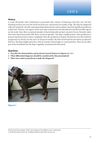 May 2019 in “Small Animal Dermatology”
 The dog has Color Dilution Alopecia, causing hair loss and increased risk of skin infections.
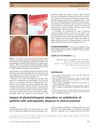 July 2014 in “Journal of Dermatology”
 Educating patients on phototrichogram increased satisfaction in androgenetic alopecia treatment.
 8 citations
,
January 2013 in “The scientific world journal/TheScientificWorldjournal”
8 citations
,
January 2013 in “The scientific world journal/TheScientificWorldjournal” Human hair follicles may provide a noninvasive way to diagnose diseases and have potential in regenerative medicine.
July 2025 in “Zagazig University Medical Journal” Exosomes can be used for diagnosing and treating skin conditions and improving skin health.
 36 citations
,
December 2016 in “Journal of The American Academy of Dermatology”
36 citations
,
December 2016 in “Journal of The American Academy of Dermatology” The normal range for the hair pull test is 2 hairs or fewer, and washing or brushing hair before the test does not affect the results.
 June 2026 in “EXPERIMENTAL & CLINICAL MEDICINE GEORGIA”
 Trichoscopy is useful for assessing androgenetic alopecia severity but can't determine hair loss stage alone.
 4 citations
,
September 2016 in “Journal der Deutschen Dermatologischen Gesellschaft”
4 citations
,
September 2016 in “Journal der Deutschen Dermatologischen Gesellschaft” Some skin patients have body image issues linked to social difficulties but want psychological help.
 February 2026 in “Dermatology and Therapy”
 AI can improve hair disorder diagnosis and treatment but can't replace doctors yet.
 156 citations
,
September 2014 in “British journal of dermatology/British journal of dermatology, Supplement”
156 citations
,
September 2014 in “British journal of dermatology/British journal of dermatology, Supplement” Accurate diagnosis and effective oral treatment are key to managing tinea capitis and preventing its spread.
39 citations
,
February 2024 in “Small” Microneedles are becoming essential tools in medicine for sensing, drug delivery, and communication.
 2 citations
,
February 2025 in “Dermatology and Therapy”
2 citations
,
February 2025 in “Dermatology and Therapy” UVF-dermoscopy is a useful tool for accurately diagnosing types of alopecia, especially in people with lighter skin.
1 citations
,
May 2024 in “Skin Appendage Disorders” Early diagnosis with trichoscopy can improve management and quality of life for CCCA patients.
 September 2023 in “Дерматовенерология, косметология”
 Digital video microscopy is a useful non-invasive tool for diagnosing non-scarring alopecia.
 20 citations
,
January 2015 in “Polish Journal of Pathology”
20 citations
,
January 2015 in “Polish Journal of Pathology” Reflectance confocal microscopy is a useful, non-invasive tool for diagnosing some skin diseases, with potential for future improvements.
 16 citations
,
June 2017 in “Advances in Therapy”
16 citations
,
June 2017 in “Advances in Therapy” New treatments for hair loss are showing promise due to better understanding of genetics and the immune system.
 November 2025 in “Kufa Journal of Engineering”
 AI can effectively detect hair and scalp disorders from images.
March 2026 in “Annals of Medicine” Standardized tools and treatments are needed to better manage long COVID-19 in kids and teens.