 November 2025 in “Journal of Pioneering Medical Science”
 Dietary interventions improved hair density and reduced dandruff by balancing scalp microbiota and reducing inflammation.
 June 2024 in “Archives of dermatological research”
 Dietary supplements might help prevent post-COVID hair loss, but serum ferritin is not a reliable indicator.
 January 2026 in “International Journal of Advanced Biochemistry Research”
 Dermatophytosis in calves is most common in winter, especially in 4-6 month-old female HF crossbreds.
 September 2025 in “Romanian Journal of Medical Practice”
 Iron deficiency is linked to female pattern hair loss.
 September 2025 in “Journal of Pakistan Association of Dermatologists”
 Adding Biotin to PRP doesn't improve hair regrowth.
Iron and zinc deficiencies may be treated to help female hair loss.
 1 citations
,
May 2017 in “Asian journal of medical sciences”
1 citations
,
May 2017 in “Asian journal of medical sciences” The dietary supplement significantly improved skin, nails, and hair in older adults.
 October 2025 in “Journal of Bahria University Medical and Dental College”
 Free testosterone is the most common hormone marker in PCOS, and age affects DHEAS levels.
 April 2012 in “The Journal of Urology”
 Eating more omega-3 and less omega-6 fatty acids may lower the risk of developing prostate cancer.
 1 citations
,
July 2024 in “International Journal of Biological Research”
1 citations
,
July 2024 in “International Journal of Biological Research” Parental socioeconomic status doesn't improve dietary habits or reduce disease severity in children with sickle cell disease.
 20 citations
,
September 1987 in “The Lancet”
20 citations
,
September 1987 in “The Lancet”  January 2020 in “PARIPEX INDIAN JOURNAL OF RESEARCH”
 Over half of the diabetes patients had skin issues, with fungal infections being most common.
 October 2013 in “Journal of the American College of Cardiology”
 Higher aldosterone levels in urine are linked to a nondipper blood pressure pattern in healthy people.
 10 citations
,
January 2025 in “Frontiers in Nutrition”
10 citations
,
January 2025 in “Frontiers in Nutrition” A high dietary antioxidant index may lower the risk of various diseases, but more research is needed.
 15 citations
,
December 2013
15 citations
,
December 2013 Men with more vanadium in their blood and who drink less soy milk are more likely to have hair loss.
 February 2022 in “International journal of KIU”
 Certain genes and nutrients like vitamin D, zinc, and omega fatty acids affect COVID-19 severity and infection risk.
 6 citations
,
March 2011 in “Experimental Dermatology”
6 citations
,
March 2011 in “Experimental Dermatology” Too much or too little selenium in the diet can cause hair loss and graying in mice.
 January 2020 in “Asian Journal of Basic Science & Research”
 Nutrease powder, a high-protein, low-carb supplement, can help manage Polycystic Ovary Syndrome symptoms, regulate periods, improve ovulation, and restore fertility.
 August 2016 in “Journal of Investigative Dermatology”
  11 citations
,
June 2012 in “Archives of Dermatological Research”
11 citations
,
June 2012 in “Archives of Dermatological Research” L-cystine and vitamin B6 at high doses prevented hair loss in mice treated with a chemotherapy drug.
 March 2026 in “Frontiers in Pharmacology”
 Taxifolin, found in onions and milk thistle, has health benefits but needs more research for safe use.
 10 citations
,
May 1986 in “Experientia”
10 citations
,
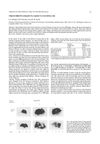
May 1986 in “Experientia” Too much zinc in the diet can cause hair loss and color change in young mice by reducing copper in the body.
 1 citations
,
October 2017 in “Food Additives & Contaminants: Part A”
1 citations
,
October 2017 in “Food Additives & Contaminants: Part A” A new minoxidil-like substance, triaminodil, was found in an illegal hair growth supplement.
 7 citations
,
June 2015 in “The anatomical record”
7 citations
,
June 2015 in “The anatomical record” Hexi cashmere goats' hair growth varies by stage, with Hoxc13 linked to hair activity.
 July 2025 in “Food Science & Nutrition”
 Vitamin D supplements improve hair growth and metabolism in rabbits.
 January 2006 in “Elsevier eBooks”
 Cats with Feline Symmetrical Alopecia can regrow hair with proper treatment based on the specific cause, including diet, medication, or stress management.
 9 citations
,
July 1995 in “Veterinary Clinics of North America: Small Animal Practice”
9 citations
,
July 1995 in “Veterinary Clinics of North America: Small Animal Practice” The document concludes that hair loss in cats is caused by various factors, including allergies, mites, infections, and hormonal issues, with treatments varying accordingly.
 June 2025 in “International Journal of Research and Review”
 Unani medicine offers a natural, effective approach to treating hair loss with minimal side effects, but needs more scientific validation.
 June 2024 in “Current Developments in Nutrition”
 Omega-3 fatty acids may not help and could harm hair loss improvement in middle-aged or elderly men.
 6 citations
,
February 2021 in “Frontiers in Cell and Developmental Biology”
6 citations
,
February 2021 in “Frontiers in Cell and Developmental Biology” Eating too much or too little vitamin A can cause hair loss.